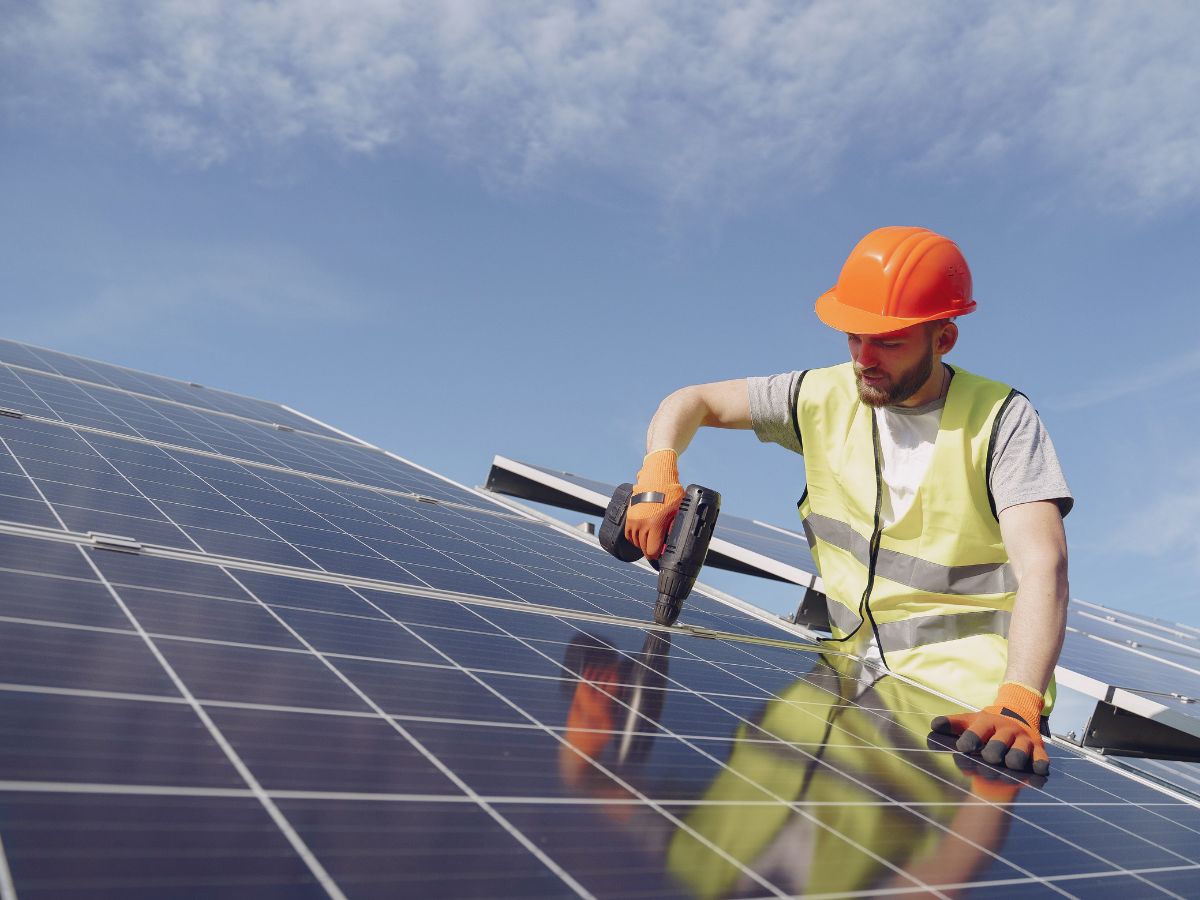
The UAE aims to achieve 14.2 gigawatts of renewable energy capacity by 2030 as part of its Energy Strategy 2050, which seeks to balance energy supply and demand while meeting environmental commitments.
Ahmed Al Kaabi, Assistant Undersecretary for the Electricity, Water, and Future Energy Sector at the Ministry of Energy and Infrastructure (MoEI), reiterated this commitment during a panel hosted by the International Renewable Energy Agency (IRENA). Al Kaabi emphasised the UAE’s early investments in renewable projects and clean energy advancements.
“From the beginning, the UAE recognised the need for cleaner energy to protect our planet and our future,” Al Kaabi stated. He highlighted the establishment of Masdar nearly two decades ago as a key milestone in the country’s clean energy journey.
The UAE’s renewable energy roadmap includes three of the world’s largest solar power plants and plans to expand low-carbon energy options. Al Kaabi also pointed out the role of the Barakah Nuclear Energy Plant, which provides 25% of the country’s electricity from a carbon-free source.
The UAE is pursuing leadership in hydrogen production, targeting 1.4 million metric tonnes annually by 2031, with plans to increase production to 15 million tonnes by 2050.
Al Kaabi reinforced the UAE’s role in global energy transition efforts, stating, “With determination and forward-thinking leadership, the UAE is on track to achieve net-zero by 2050.”