
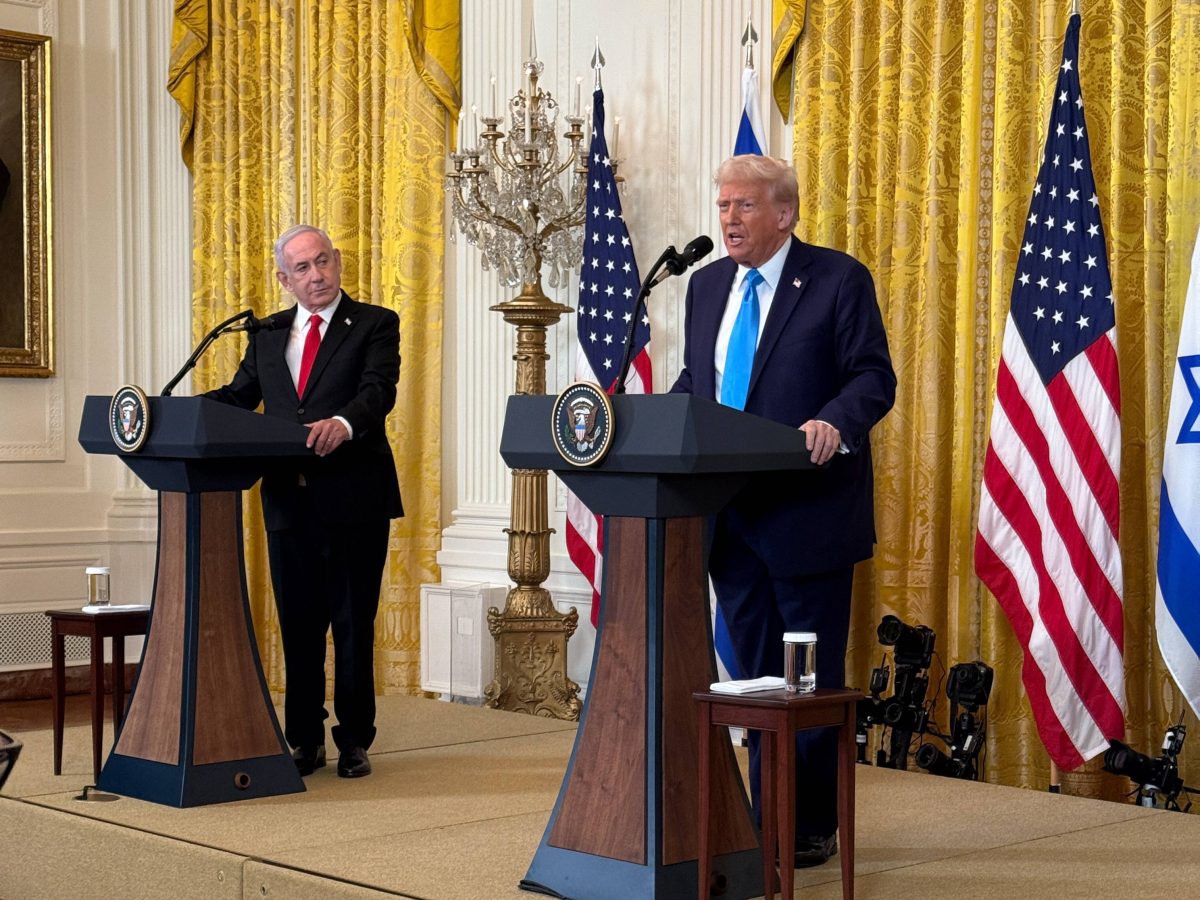
US President Donald Trump said the United States would “take over” and redevelop the Gaza Strip, envisioning long-term US involvement in transforming the region into the “Riviera of the Middle East.” The plan, outlined during a press conference with Israeli Prime Minister Benjamin Netanyahu, includes the possibility of deploying US troops to support reconstruction efforts.
The plan has been met with strong opposition, as it involves relocating Palestinian residents to neighbouring countries like Egypt and Jordan. Both countries rejected the idea, and the plan has drawn criticism from the United Nations, Palestinian authorities and several Arab nations.
While the plan has significant geopolitical implications, it will likely cause widespread economic uncertainty across the Middle East.
Financial repercussions of a US takeover of Gaza
Any direct US intervention in Gaza could heighten uncertainty in regional markets, leading to significant volatility. Stock markets in the Gulf, particularly in Saudi Arabia, the UAE and Qatar, are at risk of fluctuations, as investors reassess their exposure to the region. This could trigger increased demand for safer assets like US Treasury bonds and gold, diverting capital from the Middle East and slowing investment in key sectors.
“Financial markets dislike uncertainty, and any direct US involvement in Gaza—whether through military presence or oversight of reconstruction—would add further ambiguity to the political and economic landscape of the region,” explained Rania Gule, Senior Market Analyst at XS.com – MENA.
Another major concern is the potential impact on foreign direct investment (FDI). Political instability tends to deter international investors, and the proposed intervention could lead to slower FDI inflows, particularly in non-oil sectors that the nations are working to develop as part of their economic diversification plans. However, certain industries—such as US defence contractors and construction firms involved in rebuilding efforts—could see targeted investment opportunities.
Oil and energy markets are particularly vulnerable to disruptions from any escalation in the region. The plan could provoke reactions from regional actors like Iran, leading to risks of supply disruptions in critical areas such as the Strait of Hormuz. Although oil prices could initially spike due to these fears, prolonged instability might ultimately reduce demand as investors brace for slower economic growth.
Local currencies and regional debt markets could also come under pressure. A US-led intervention could boost demand for the US dollar as a haven, which would put downward pressure on emerging market currencies like the Egyptian pound and Turkish lira. In parallel, “sovereign bond yields in the region may rise due to increased risk premiums, making borrowing more expensive for governments needing to finance their spending programs,” Gule stated.
“Countries like Saudi Arabia are undertaking massive projects under Vision 2030, heavily relying on regional stability to attract foreign investors,” noted Gule. “Any new turmoil could make investors more cautious about expanding their presence in regional markets.” Delays or slowdowns in projects such as the NEOM megacity or The Line could result if global investors turn cautious. Conversely, Gulf-based companies could benefit if reconstruction contracts for Gaza are awarded to them.
Any US involvement in Gaza—whether political, military or economic—would increase uncertainty in Middle Eastern financial markets, potentially leading to short-term volatility and long-term effects on investment flows, energy markets and local currencies. The bigger question remains: will this intervention be a short-term tactical move or the beginning of a broader reshaping of the region’s political and economic landscape?
Which key sectors would take the hit?
According to Gule, the tourism and hospitality sectors in Egypt, Jordan and the UAE could experience setbacks as geopolitical instability deters international travellers. The situation could also affect religious tourism in Saudi Arabia and Jerusalem, further impacting regional economies. Meanwhile, trade and logistics networks, including Egypt’s critical Suez Canal, could face security concerns and disruptions, increasing costs for shipping companies and insurance providers.
The tech and startup ecosystems in Israel and the Gulf could also be affected. Middle Eastern startups that depend on foreign venture capital may struggle to secure investments and tech firms engaged in partnerships with US and European companies could see hesitancy in future deals, Gule explained.
On the other hand, certain sectors might see opportunities emerge. Defence, cybersecurity and construction companies are likely to benefit from increased investments in security projects and reconstruction. If regional dynamics shift, gulf nations could capitalise on shifting trade routes and energy supply chain adjustments.
Overall, Trump’s plan introduces significant economic risks for the Middle East, with potential ripple effects across multiple industries. The prospect of a US intervention in Gaza raises concerns about both short-term market volatility and longer-term impacts on regional growth and investment. Policymakers and businesses will need to closely monitor the evolving situation and develop strategies to mitigate risks while seizing any emerging opportunities.