
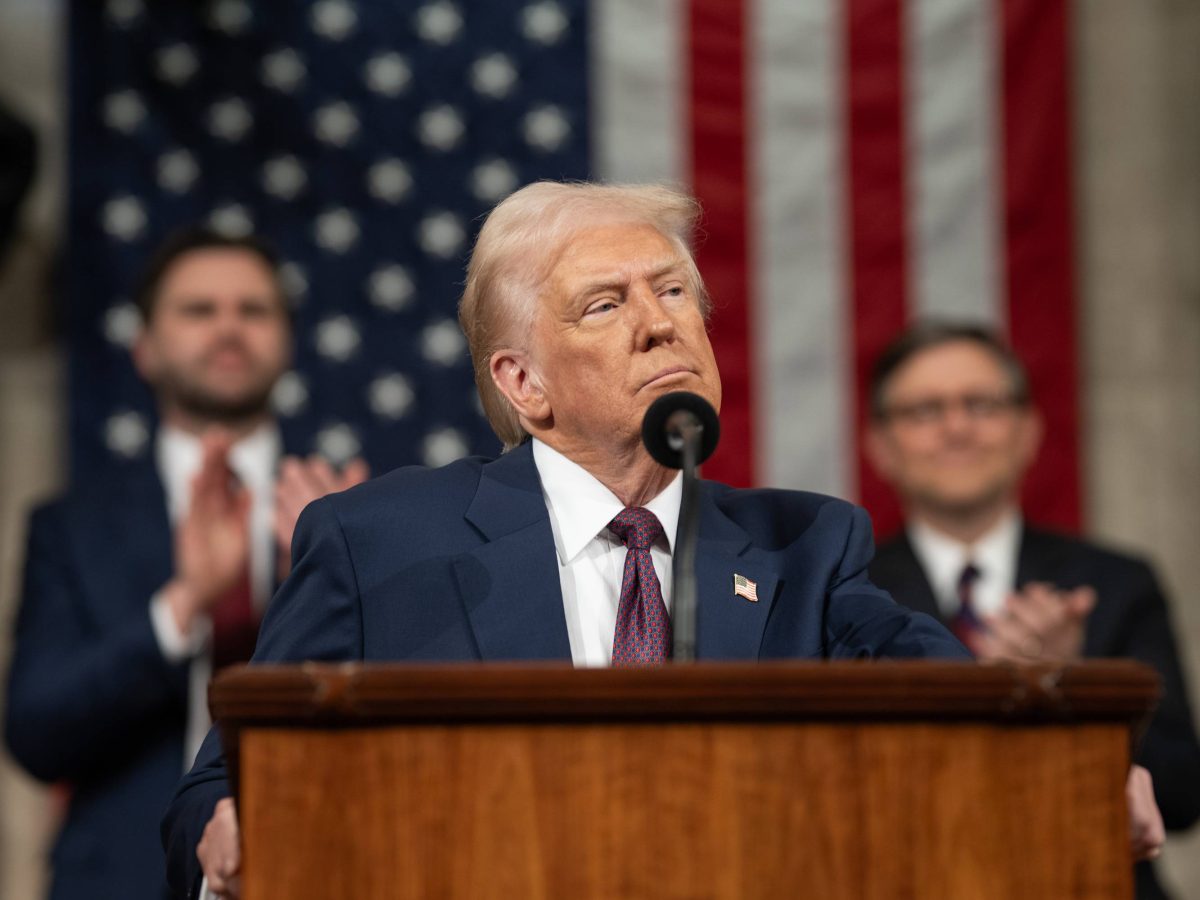
The so-called “Trump trade” boosted US stock indices and the US dollar at the start of 2025. However, both have since fallen, which I predicted at the start of the year in my list of 10 surprises for 2025.
The first reason for expecting this relapse in US assets was valuations. Both the dollar and US stocks started the year more expensive than usual, valuation extremes that were exacerbated by the “Trump trade” narrative. When there is no competing narrative, investors will continue to favour the “winning” story, in this case, US assets. However, competing themes have now emerged. First, Chinese stocks have outperformed over the last 12 months, and this is diverting attention from the US. Second, Europe’s need to boost defence spending (and Germany’s desire to improve its infrastructure) gives the hope of stronger medium-term growth in Europe, just as the US appears to be faltering.
Next, I was concerned that President Trump would undermine the US economy, the dollar, and US stocks. It seemed to me that using tariffs would be negative for the global economy, especially the US economy. Though many believed the US would be less impacted than Europe or China by a tariff war, I feared that the cumulative damage done to the US by waging battles with a wide range of countries would be significant.
Furthermore, not only have we seen tariffs, there have also been threats of mass layoffs among government workers and the closure of some government departments. Even worse, many policy announcements have been quickly reversed, making it hard for households and businesses to know how to turn. The first signs of trouble came with a dip in the University of Michigan Consumer Sentiment survey for January (with a further decline in February) and the subsequent drop in January retail sales. As for businesses, there were already signs of hesitation in Q4 GDP data, with a 1.4% (annualised) decline in fixed investment spending that I think may have been caused by election and policy uncertainty. Indeed, the US Economic Policy Uncertainty Index shows a rise in anxiety, with the 8-week moving average only higher during the pandemic. That is not good for business investment. There is now a risk of a negative GDP outcome during Q1, especially when allowing for the pre-tariff surge in imports in December and January.

I suspect this economic uncertainty has undermined US stock market performance, not helped by the negative global reaction to the role of Elon Musk in the US government and the knock-on effect on the sales and share price of Tesla, which had become one of the bigger components of major US indices. Further, the decline in 10-year treasury yields over recent months is instructive. The fall in the yield from the mid-January peak of 4.79% to the recent low of 4.15% was largely explained by the real (TIPS) yield decline, which reflected concerns about growth, while the inflation component has risen since the US election. This is the worst possible combination (less growth and more inflation) and reflects what consumer surveys said. Though I would hesitate to talk of stagflation, this tariff-inspired mix of less growth and more inflation is pushing in that direction. No wonder US markets are worried.
Of course, one asset continues to rise: gold. This is not unusual given the geopolitical uncertainties that have also been created by the new US administration and is a rerun of what happened during the first Trump presidency (my model suggested that gold received a $230 boost from the 2016 election result). Despite being at what I consider to be unsustainably high prices, the yellow metal continues to rise.