

The GCC’s luxury market is world-famous. Watch any clip about Dubai or Riyadh or any number of other cities in the region and luxury will certainly be one of the key themes, whether that’s expensive cars, clothes, apartments or just the trappings of HNWIs and their lifestyles. The reputation translates globally, and each year the region attracts millions of visitors drawn by the status and exclusivity attached to many of the goods and services available here.
It’s also big business. In the Middle East, it’s predicted that the luxury market will double in size to reach $30–35 billion by 2030. This growth is driven by several factors, not least women, who now play a much larger role in the GCC economies – particularly in education, healthcare and entrepreneurship – and through this new earning power, they now make up 33% of luxury consumers.
Increasingly, GCC consumers are doing their luxury spending in-country – a trend that started in earnest during the pandemic and continued thanks to strong customer service and the easy availability of a variety of brands.
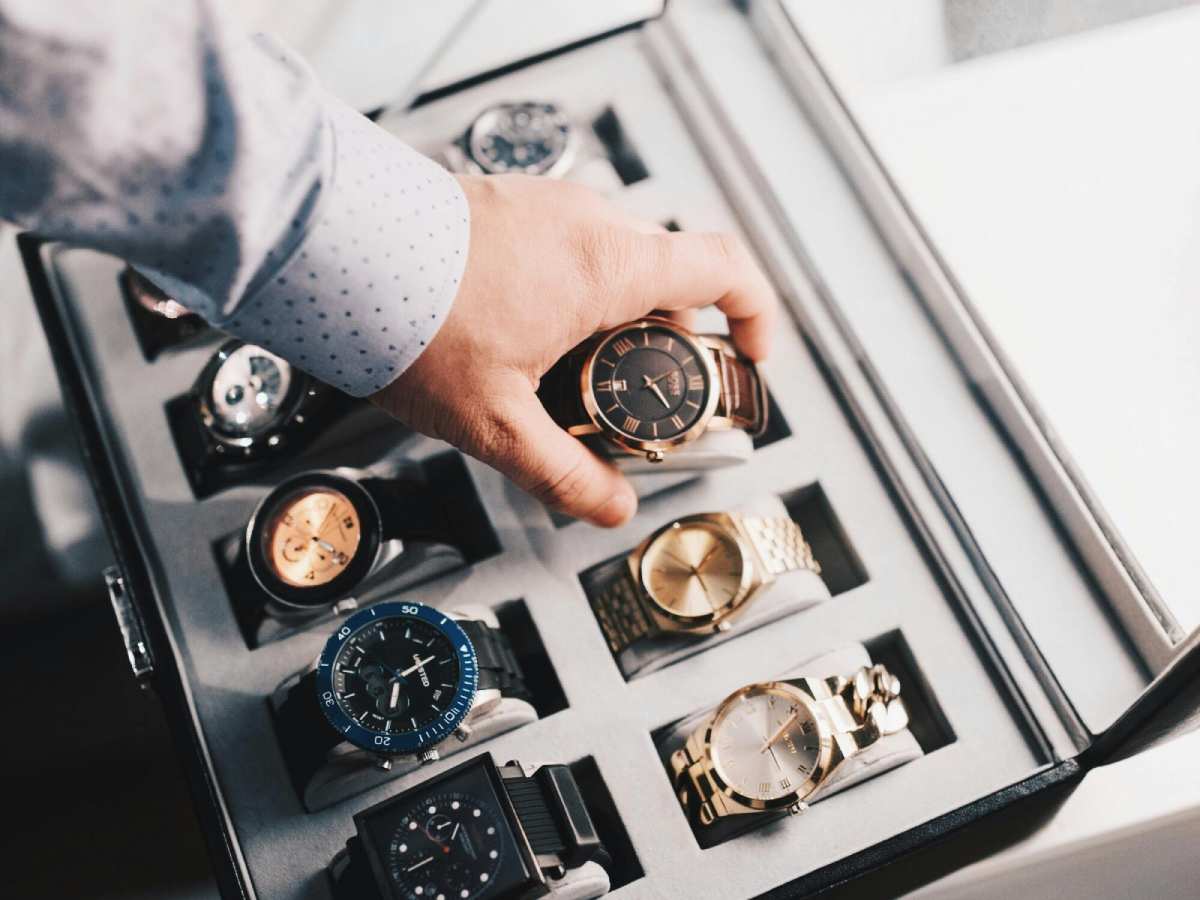
This is the lay of the land at the moment, but the question is, what opportunities are there for entrepreneurs? It might, at a glance, seem like a difficult market – after all, not many companies can make high-end watches or luxury cars. But as we will see, the focus extends beyond products to encompass services, where the manner of delivery is as significant as the service itself. Personalisation and localisation are also vital.
So, let’s look at the GCC luxury market in more detail and identify where entrepreneurs might focus their attention.
What do GCC’s luxury shoppers really want?
GCC luxury shoppers prioritise cutting-edge design above pretty much anything else. A quick look at any of the region’s urban skylines or ultra-designed interiors, and you quickly figure out that the ‘look’ of something is critical. This is backed up by the numbers, with over half of GCC luxury shoppers saying design is the most important factor in decision-making when making a purchase.
Personalisation is also vital, highlighting the region’s appetite for bespoke experiences that cater to individual tastes. We might add localisation to this, too – ensuring what you offer is unique to the region and tailored to those who live here.
Next up is technology and its integration into luxury offerings. From smart cities to immersive digital experiences, the luxury sector in the GCC is deeply intertwined with technological advancements.
Finally, we need to mention exclusivity, as this is a region that values rarity and prestige. So, adding VIP experiences and concierge-style services to your offering is a must, regardless of what you are selling. Make the customer feel special. In the end, any transaction can in some way be transformed into an experience, so aim to elevate the act of shopping into something more memorable.
Opportunities for entrepreneurs in the GCC luxury market
Before we break down the key areas to focus on, there are a couple of general points that apply regardless of your chosen area. First, exceptional service remains a key competitive advantage because consumers in the region expect a level of personalisation and attentiveness that goes beyond the ordinary.
While the idea of sustainability might not immediately spring to mind when we think about the luxury market, it is central to many GCC countries’ visions and initiatives, so it’s only a matter of time until this starts to drip through into how people make high-end purchases. Think about how you might be able to fold this into your offering.
Finally, whatever you offer needs to feel both exclusive and local. It needs cultural relevance, creating something that really feels like it’s from the region, rather than just an imported piece of luxury from elsewhere. Working with local designers and brands will help strengthen your market positioning and demonstrate a genuine appreciation for the region’s cultural identity.
With that in mind, let’s look at a few specifics:
- Concierge services: What we’re talking about here goes far beyond restaurant bookings and event planning. Elite clients are looking for highly personalised assistance that ensures their lives run smoothly, whether that’s securing last-minute private jet charters or arranging bespoke travel experiences. And most importantly, you must be available 24/7 in case a request comes in at 3am.
- Private clubs: HNWIs in the Gulf seek exclusive environments where they can connect with like-minded people and relax away from the public eye. Private member clubs that blend business networking with luxury experiences are thriving – it’s a chance to mix business with pleasure and meet potential collaborators or clients.
- Health and wellness: This might include private medical concierge services that provide round-the-clock access to top specialists and VIP hospital suites, as well as treatments like cryotherapy, stem cell therapies, and personalised nutrition plans. There’s also plenty of interest in luxury fitness and rehabilitation centres that offer exclusivity and one-on-one training with world-class experts.
- Home management: Managing large estates requires discretion and expertise, so ‘white glove’ property management firms oversee everything from staff hiring and maintenance to security and landscaping, ensuring properties are kept in great condition while the owners are away.
- Transport: Beyond owning a fleet of supercars or yachts, the elite require bespoke transport services, such as private chauffeur services with luxury vehicles, ensuring seamless city travel with multilingual drivers trained in discretion. There’s also private aviation management, where companies handle everything from aircraft maintenance to crew hiring – and don’t forget superyacht charters, onboard events, and global docking arrangements.
- VIP shopping: Shopping is always high on the list when we think of luxury. High-end retail is about more than just price – it’s about exclusivity and, as we have mentioned, experience. Personal shoppers and stylists who offer private showrooms, exclusive brand collaborations, and wardrobe curation are in big demand.
- Event planning: Luxury event planners in the Gulf don’t just organise weddings or corporate galas – they create one-of-a-kind experiences. That could include private concerts with global artists, themed destination parties on private islands, or even custom-built immersive experiences tailored to a client’s specific vision.
- Security: For HNWIs, security extends beyond physical protection. Private security firms offer executive protection services, including highly trained bodyguards and cybersecurity experts. Then there is outfitting smart homes, integrating biometric access, panic rooms, and advanced surveillance.
The Gulf’s luxury market is about more than just extravagance – it’s about personalisation, localisation and making sure it’s an experience never to be forgotten. Businesses that cater to the ultra-wealthy by offering elite, cutting-edge experiences will find plenty of opportunity in the region. That could be in private health services, luxury transport solutions, or high-end property management – in all cases, success in this market lies in delivering discretion and world-class quality.
HNWIs in the GCC want authentic brand interactions that speak to the values, culture and sense of place relative to their geography. If you can move away from the generic approach and create something highly tailored and culturally relevant, you have the best possible chance of finding your niche in the luxury market.