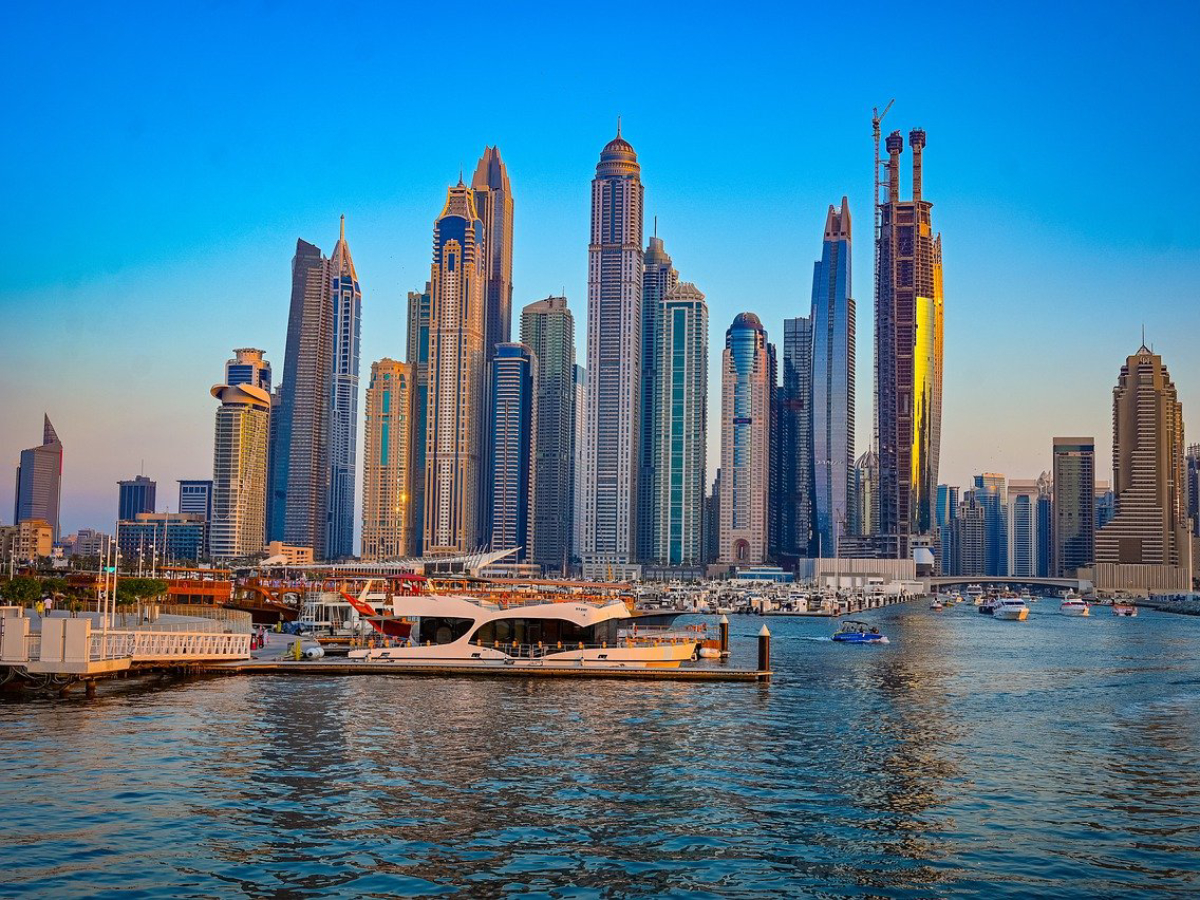
Dubai recorded a 3% increase in tourism during the first quarter of 2025 compared to the same period last year, following a full-year total of 18.72 million overnight visitors in 2024, according to Issam Kazim, CEO of the Dubai Corporation for Tourism and Commerce Marketing.
Speaking at a media briefing, Kazim said the city had already surpassed pre-pandemic levels in 2023 and is now setting new benchmarks. The 2024 growth figure represented a 9% year-on-year rise in international arrivals.
Dubai’s tourism performance is being driven by strategic efforts under the Dubai Economic Agenda D33, which targets doubling the size of the economy over the next decade. Tourism is central to those plans, supported by public-private collaboration, infrastructure investment, and targeted international campaigns.
Kazim said the city’s tourism strategy is built around expanding physical and digital connectivity, increasing market access, and enabling diversified growth across leisure, business, and long-stay segments. He pointed to strong performance across key Asian, European, and Gulf source markets.
The UAE is investing heavily in attracting new tourism segments, including medical and wellness travel, remote workers, and high-spending travellers. According to Mastercard’s Economics Institute, inbound travel to the UAE has rebounded faster than many global hubs, supported by airline capacity, visa reforms, and event-driven demand.
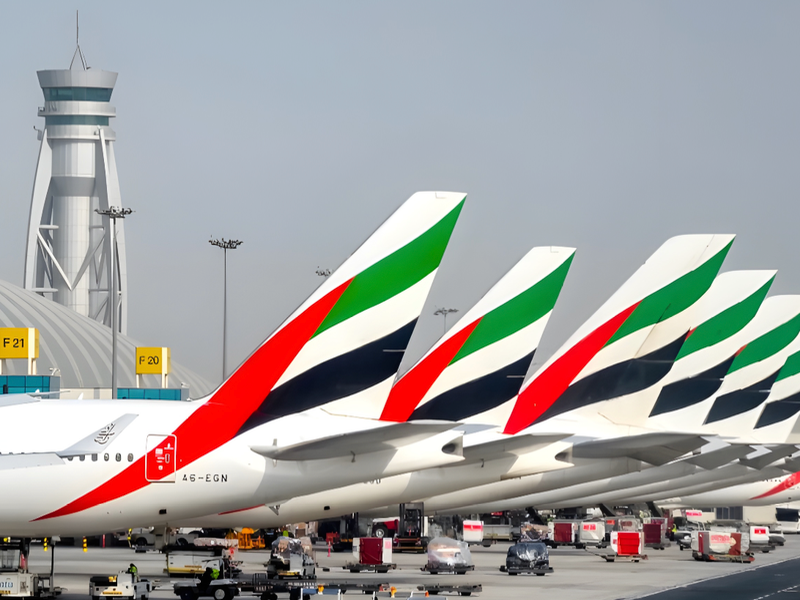
In 2024, Dubai International Airport retained its position as the world’s busiest for international passengers, handling 86.9 million travellers, according to Dubai Airports. This logistical strength remains a key pillar of the city’s tourism ecosystem.
Kazim noted that continued growth depends on maintaining Dubai’s status as a global transit hub while expanding its appeal through destination development and regulatory flexibility. He said the Department of Economy and Tourism is working with over 125 stakeholders to align on future goals.
Dubai’s tourism sector is expected to maintain momentum through 2025, supported by ongoing infrastructure projects, expanding air routes, and global demand for stable, high-service travel destinations.