
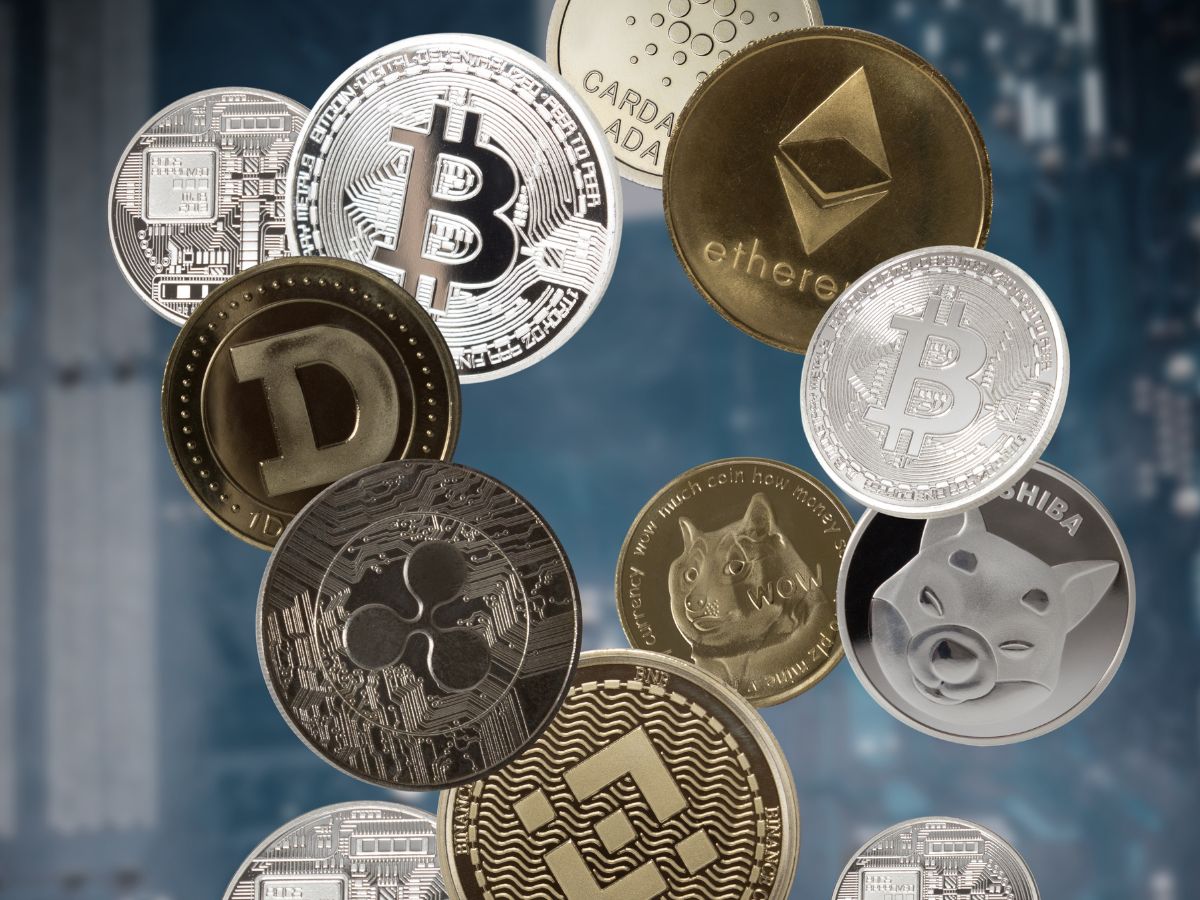
Stablecoins are quickly becoming a staple of modern finance, offering the speed of crypto with the predictability of fiat. With a promise of price stability, while leveraging blockchain technology, stablecoins are rapidly gaining traction across the globe. And while the tech is impressive, as with any financial innovation, its adoption hinges on regulatory clarity. The UAE and jurisdictions like the UK and the EU are taking significant steps to define how stablecoins fit into their financial landscapes.
While regulation may not be the most exciting aspect of innovation, it’s arguably the most crucial. Think of it as the rulebook–the guardrail that ensures that market participants have clear rules to play by while protecting consumers and preserving the integrity of financial systems.
The UAE leads with a dedicated stablecoin framework
The UAE has been one of the more proactive jurisdictions in the region regarding regulating digital assets, including stablecoins. The Central Bank of the UAE (CBUAE) recently introduced the Payment Token Services Regulation, effective August 2024, explicitly focusing on stablecoins, or Payment Tokens as they’re termed locally. This regulation lays out the groundwork for licensing requirements, operational standards, and the services that fall under its scope.
What sets the UAE apart is its categorisation of stablecoins into two types. The first is Dirham Payment Tokens, which are pegged to the UAE’s fiat currency, and the other is Foreign Payment Tokens, pegged to foreign currencies but regulated domestically if offered in the UAE. In practical terms, for businesses dealing with these tokens, the CBUAE’s rules cover issuance, custody, transfer, and conversion activities. This creates a comprehensive roadmap for anyone wanting to operate in this space.
Additionally, the UAE’s regulatory landscape reflects its ambition to remain a financial and digital innovation hub. While the Central Bank governs stablecoins pegged to fiat currencies, the Securities and Commodities Authority (SCA) has developed a draft regulation to address stablecoins tied to commodities, such as gold or oil. This dual approach captures the diversity of stablecoin use cases.
How the UK and EU compare
If we step outside the UAE’s borders, the narrative around stablecoin regulation becomes more fragmented. The UK, for instance, currently doesn’t have a dedicated regulatory regime specifically for stablecoins. So, for now, these assets fall under broader anti-money laundering (AML) regulations. The Financial Conduct Authority (FCA) is set to roll out a dedicated regulatory framework for stablecoins by 2026 or 2027. Until then, the regulation of stablecoins remains somewhat piecemeal, creating room for uncertainty among market participants.
The EU, on the other hand, has taken a more definitive stance. Its Markets in Crypto-Assets Regulation (MiCAR) covers stablecoins as part of its comprehensive framework for crypto assets. MiCAR distinguishes between asset-referenced tokens (ART) and e-money tokens (EMT), with separate rules depending on whether the stablecoin is pegged to a commodity or an official currency. A significant part of MiCAR’s framework also overlaps with existing regulations for electronic money under the E-Money Directive. This creates a safety net while also broadening the scope for innovation.
Comparing these regulatory ecosystems, the UAE’s distinct categorisation of stablecoins and its dual approach from CBUAE and SCA stand out as uniquely holistic. In contrast, the UK is still formalising its framework, whereas the EU has managed to integrate stablecoins into its broader regulatory structure, albeit with the complexity of overlapping guidelines.
Practical implications for businesses
The UAE offers a clearly defined path for companies operating in the stablecoin ecosystem, but not without responsibilities. Put simply, businesses must apply for licenses covering key activities such as issuance, custody, and exchange. Additionally, exemptions are factored into the framework for non-financial applications like airline miles or loyalty points, reflecting the UAE’s nuanced understanding of real-world use cases.
Meanwhile, businesses face challenges navigating the regulatory grey area in jurisdictions like the UK, where ambiguity persists. This often deters innovation or business expansion into such markets. The same goes for the EU, where, despite the comprehensive MiCAR framework, complexities arise with distinguishing between EMT and ART tokens, further complicating compliance.


Striking a balance between innovation and security
Stablecoin regulation isn’t just about compliance; it’s about shaping the future of global payments and finance. In the UAE’s case, the clear and forward-looking regulatory approach is a statement of its intent to become a global leader in the digital economy. By creating a trusted environment, the UAE has become an increasingly attractive destination for financial innovation.
What does the future hold?
The UAE’s example shows what’s possible when regulators proactively approach emerging technologies instead of playing catch-up. However, while the UAE has created a blueprint for stablecoin regulation, the interplay between global frameworks remains a challenge. The road ahead requires coordination. Stablecoins don’t recognise borders, and a more harmonised, cross-border regulatory approach is essential to unlocking their full potential.
The UAE’s Payment Token Services Regulation signals strong leadership for businesses and investors watching this space. Those looking for a globally aligned regulatory regime should keep an eye on the maturity of frameworks in the EU and UK to see where synergies or contradictions emerge.
Ultimately, the UAE’s stablecoin framework is a sign of things to come. Whether it’s by leading on regulations or enabling global conversations, the UAE is well-positioned to play its part in steering the future of digital assets.