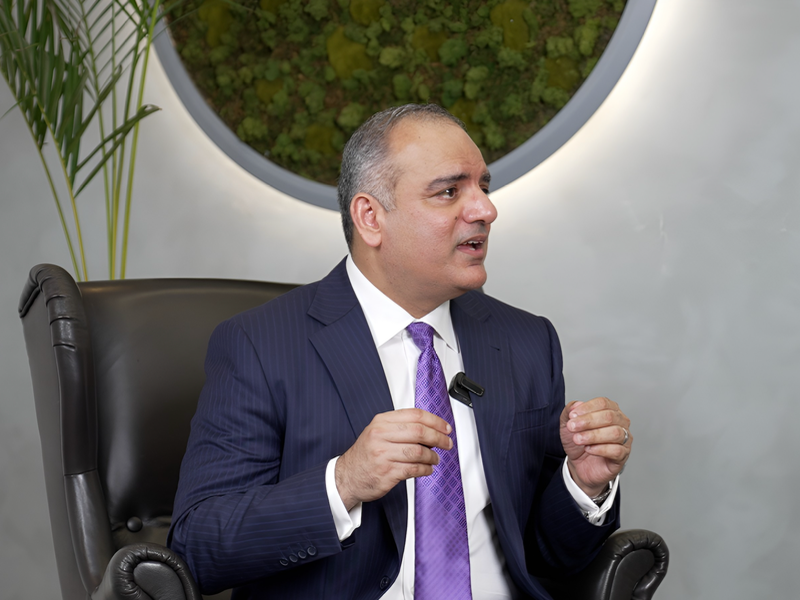
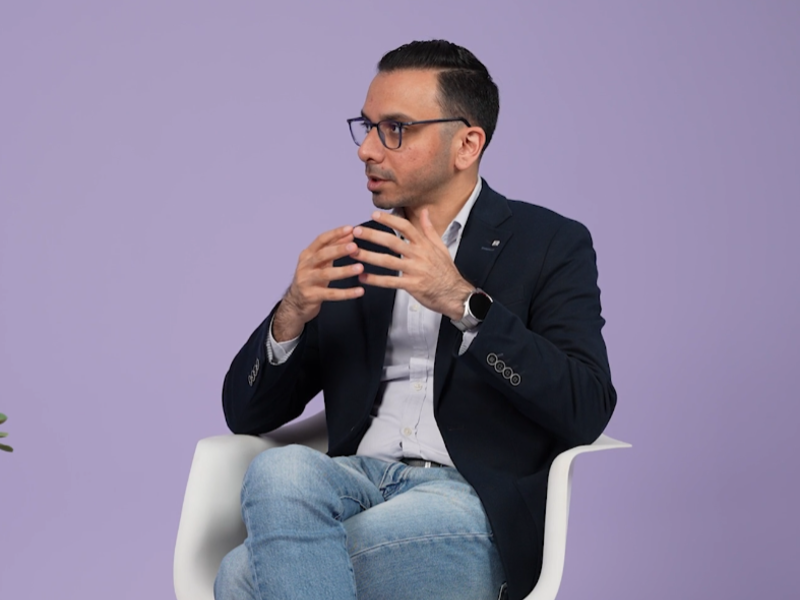
In a region where digital disruption is reshaping financial services, successful challenger banks aren’t just tech-first but proposition-first. According to Martin Blechta, Partner, Boston Consulting Group (BCG), it comes down to having either a sharp value proposition or a scalable customer asset.
“Look at Wio Bank in the UAE,” said Blechta. “They’ve cracked the SME code with fast onboarding and a clean product experience. That’s real differentiation.” Meanwhile, STC Pay leveraged its telco roots to build scale on top of a ready-made user base. “They came in with a massive customer base and built something special around that.”
For legacy banks trying to keep pace, the question often arises: modernise the back-end or innovate the front-end first? Blechta’s answer is both but with clarity. “Real value is realised at the front end—that’s what the customer sees. But the banks we work with typically pursue both in parallel: stabilising the core while building something distinctive up front.”
Measuring ROI in digital transformation remains complex. “These are 10-year CapEx bets,” Blechta noted. “But clients track uplift in revenue, NPS, and CX metrics to show value over time.”
Structural change is also non-negotiable. “Successful incumbents are not just digitising—they’re reconfiguring,” he said. That includes forming fintech partnerships, launching corporate VC arms, and building internal digital factories. “Banks that get this right are the ones treating innovation not as a bolt-on but as a structural shift.”
For Middle Eastern banks facing global tech challenges and rising customer expectations, Blechta stressed that the winners will be those who rewire both their systems and their thinking.