
Global foreign direct investment (FDI) flows declined by 11% in 2024, the second consecutive annual contraction in value terms, according to the United Nations Conference on Trade and Development (UNCTAD) World Investment Report 2025.
While global FDI totalled $1.5 trillion, up 4% from 2023, UNCTAD attributed the increase primarily to volatile financial flows in select European transit hubs, masking underlying weakness in productive investment. The report warned that distorted flows through conduit jurisdictions obscure real trends in capital deployment and limit the impact of development.
FDI into developed economies dropped by 22%, led by a 58% fall in Europe. North America recorded a 23% increase, largely due to large-scale investment activity in the United States. In contrast, flows to developing countries remained broadly stable, though performance varied by region.
Asia retained its position as the largest recipient region. FDI inflows to Southeast Asia rose 10% to $225 billion, the second-highest level on record, despite a 3% overall decline in the broader Asia-Pacific. In Africa, inflows surged 75%, led by a single mega-project in Egypt. Adjusted for that outlier, FDI to the continent increased by 12%, supported by ongoing regulatory reforms.
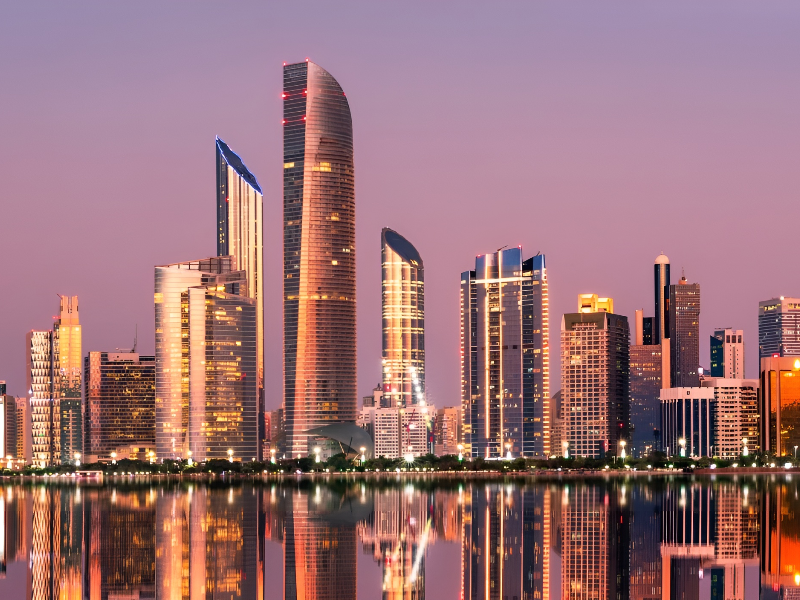
The Middle East maintained strong inflow levels, backed by economic diversification programmes, particularly in the Gulf region. Latin America and the Caribbean saw FDI decline 12%, although new project announcements increased in Brazil, Mexico and Argentina.
Among structurally vulnerable economies, least developed countries recorded a 9% increase in FDI, small island developing states grew 14%, while landlocked developing countries saw a 10% contraction. Investment remained concentrated in a small number of countries across all three groups.
UNCTAD Secretary-General Rebeca Grynspan said 2024’s investment flows were shaped by geopolitical tensions, trade fragmentation, industrial policy competition and heightened financial risk. She added that these factors are redrawing global investment maps and weakening long-term investor confidence.
The report was released ahead of the Fourth International Conference on Financing for Development, where global leaders are expected to discuss the growing disconnect between capital availability and development priorities. UNCTAD reiterated the need to reshape the global investment architecture to better align with inclusive growth and sustainability goals.