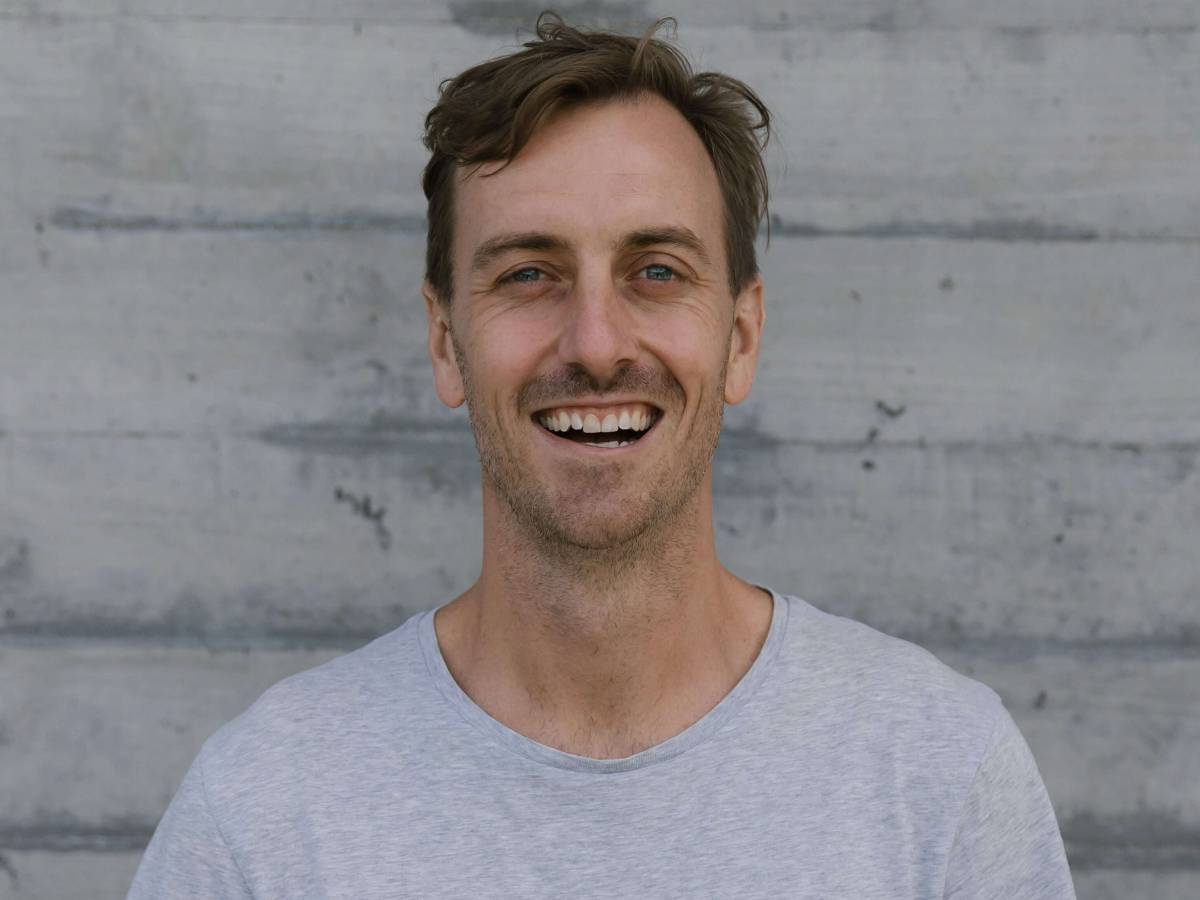
Alex Worker left a corporate career and a stint at Impossible Foods to tackle the world’s nutrition gap with marine biotechnology. At Nutrition from Water (NXW), he and his team ferment microalgae harvested from oceans, lakes and rivers to produce Marine Whey™, a complete, affordable protein already attracting the world’s largest food manufacturers.
Now in Series A and backed by Portugal and Middle East operations, NXW is racing to scale a foodtech platform that could redefine global nutrition. In this interview, Worker explains why the Middle East’s push on food security drove NXW’s expansion, how clear storytelling wins investors, and why persistence matters more than spreadsheets when you’re inventing an entirely new food category.
What drove you to join the startup world?
I’ve always been involved in new ventures and growth, ever since leaving my corporate career with Fonterra (New Zealand’s largest company) and helping grow foodtech scale-up, Impossible Foods. Ever since living in China through the 2000s and seeing the rate of change, where new ideas could be scaled to billions in revenue in a matter of months, I’ve found myself a bit restless when it comes to the status quo, especially around food systems and solving the affordable nutrition gap. The startup world is where you can actually build the kind of future you believe in, the future I want my kids and grandchildren to benefit from.
In 2020, we realised we can unlock affordable nutrition from our water, which makes up 70% of our planet’s environment. Within our pristine lakes, rivers, oceans and waters, there are millions of microscopic algae that can be safely fermented at scale to produce millions of tonnes of natural, affordable and complete nutrition. After realising the scale potential of this new biotechnology and global impact opportunity, I decided to co-found Nutrition from Water (NXW) to unlock affordable nutrition from microalgae.
Why did you choose the Middle East as the place to start/expand the business?
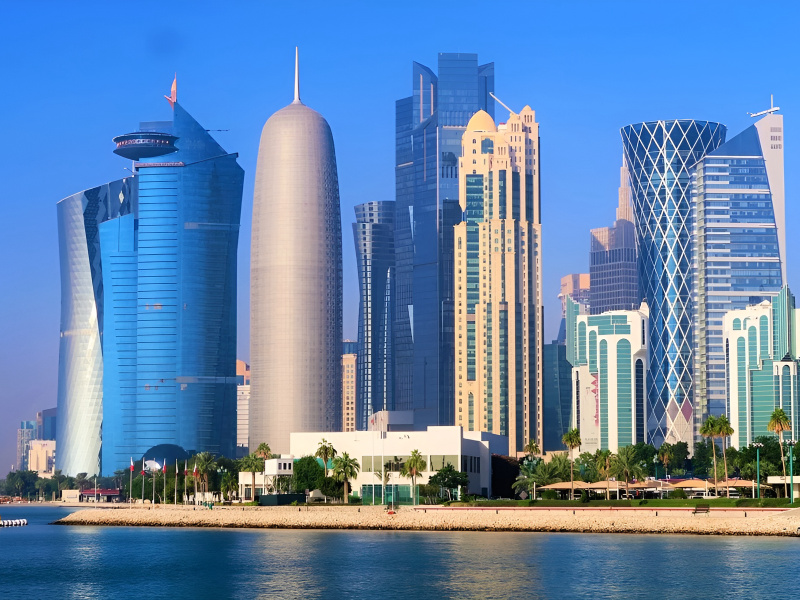
There’s real momentum here. The Middle East isn’t just talking about food security, it’s investing in it, fast. We felt the energy and urgency matched what we’re doing, commercialising Marine Whey. The optimism and ambition in the region is contagious, it makes you want to be part of the region’s story and bright future.
How would you describe the region’s startup scene in three words?
Bold. Globally-minded. Optimistic.
Is there something that has surprised you in your journey?
I’ve been warmly surprised by how much people in the region genuinely want to help enable our mission. From science partners to government bodies to strategic manufacturers – it’s been surprising and humbling to see leaders open doors just because they get what we are doing and see it as meeting regional needs.
What are (in your view) the keys to approaching investors successfully?
Learning to tell your story with substance is crucial. At early stages, investors want to know why your team are the one to do this, why now, how good your science is, and how big the opportunity can be. Once you are past the early deep tech stages, investors now want to judge us on traction, revenue, and commercial partnership milestones, and how quickly we are scaling. The values fit between investors and startups is a critical area often overlooked by founders, and it’s so important to ensure a successful long-term relationship during the highs and lows of growing an exciting biotechnology company.
What was the most challenging part of raising funding, and how did you overcome it?
When you’re inventing something totally new, like a nutrition technology platform from microscopic algae, people need time to wrap their heads around it. You’ve got to do a lot of educating while also building. MBRIF came in at a perfect moment to add credibility, local knowledge, and open doors we couldn’t open alone. These programs for the region are game-changers for scale-ups like us who are trying to scale across borders through trust and partner networks.
What is the best piece of financial advice you have received?
Choose investors like you’d choose a co-founder. If they don’t get your mission, they’ll get in your way. And spreadsheets don’t smile back at you when things get tough!
What has been your biggest success and your biggest failure?
Biggest success? Seeing something we dreamed up in a marine science lab in Nelson, New Zealand, over four years ago, now commercialised on the global nutrition stage – Marine Whey™. It’s demanded by some of the world’s largest food manufacturing companies today, where our biggest challenge is getting enough supply out to our customers! Biggest failure? We didn’t move fast enough to transition our headquarters from New Zealand to Portugal. Speed is important in startups, and sometimes so is patience!
What is the best quality a leader can have?
In my opinion, curiosity and the ability to envision. The best leaders I’ve worked with are always learning, always asking questions, and never assuming they’ve got it all figured out. Plus, it keeps things fun.
Where would you like to be in five years’ time?
I’d love for NXW to be powering a whole category of nutritious, sustainable, affordable foods globally—from biscuits to soups to protein drinks to sports nutrition to clinical health. It deserves to be a multi-billion-dollar new category, and NXW can play a leadership role in shaping and building this category. Personally, I hope I’m still having fun, still learning, and still getting algae through airport customs.