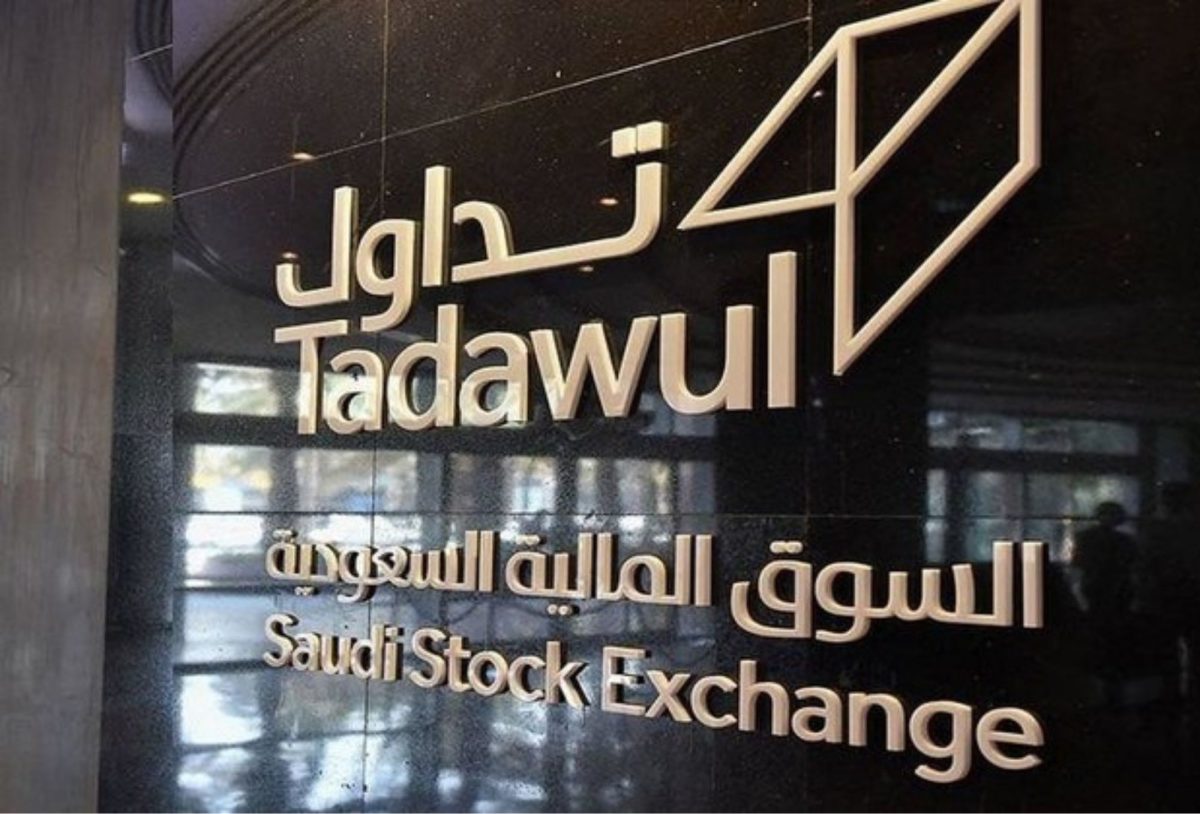
Saudi Arabia has undertaken several reforms and market infrastructure investments over the past decade to grow its capital markets. These reforms are crucial to further advance its Vision 2030 goal of increasing its economic, social, and cultural diversification. The stock exchange Tadawul’s inclusion in major emerging market equity indices in 2019 was a key milestone, and over the past decade, its market capitalisation has increased by 463%.
The Saudi authorities’ efforts to further develop Tadawul have the potential to attract domestic and international capital, increasing market liquidity for the long term. This, alongside large funding requirements for Vision 2030 projects, should continue to stimulate the exchange’s growth. That said, current risks to global macroeconomic growth could weigh on all equity markets. Tadawul’s expansion can also promote further transparency for non-sovereign entities, given the increased disclosure requirements and supervision required by investors.
Tadawul’s market capitalisation increased by 463% to approximately $2.7 trillion as of December 31, 2024, from approximately $483 billion at year-end 2014. One of the key milestones was the IPO of state-owned national oil company, Saudi Aramco, in 2019, which raised $29.4 billion, significantly elevating Tadawul’s market capitalisation and global standing.
There is a major push to get Saudi companies listed. Between 2014 and 2024, Tadawul’s main market hosted 91 IPOs, with an aggregate offering value of approximately $65 billion, excluding other listings such as Aramco’s secondary offering of around $11.2 billion in July 2024. As a result, the number of listed issuers on Tadawul’s main market increased to 247 by year-end 2024, up from 169 in 2014.
Tadawul now ranks as one of the largest exchanges among emerging markets in terms of its market capitalisation. It is also the largest emerging equity market outside Asia. However, despite strong growth over the past decade, it remains at an earlier stage of development compared to some major global markets. As of year-end 2024, about 67% of the exchange’s market capitalisation came from Aramco’s $1.8 trillion value, while the seven largest issuers represented more than 80%.
Despite the IPOs of many private-sector companies, public-sector entities represent the bulk of new listings in terms of the dollar value of offerings. These entities have generated about $44 billion of the estimated $65 billion of aggregate IPO value over the past decade. For example, in addition to Aramco, Ades Holding and ACWA undertook IPOs of $1.2 billion each; Tadawul raised $1 billion in its own offering, in addition to other public-sector entities.
Foreign shareholding remains limited. Despite gradual growth in international investors’ participation in Tadawul since the market opened to foreigners in 2015, foreign ownership of companies’ equity remains low. As of year-end 2024, non-Saudi investors represented approximately 11% of the free float, or 4.2% of Tadawul’s total market value.
Since 2015, there have been several market-related initiatives from the Saudi authorities, including opening the market to international institutional investors, investments in market infrastructure, new platforms and products, and promoting improved disclosure and governance.
Pension systems are important funding and liquidity providers as long-term investors in capital markets worldwide. Over the past few decades, many examples of pension funds have played a key role in the development of local capital markets. The Saudi authorities also have implemented several important changes to the country’s pension system in recent years.
Well-developed domestic equity markets provide companies with a platform to raise long-term funding to invest in projects and capitalise on growth opportunities. They also allow companies to manage their capital structures without increasing leverage. Equity financing reduces reliance on high-cost debt and diversifies companies’ funding sources. A market with a well-diversified number of sectors also creates avenues for investment in the local economy, supporting long-term economic growth.