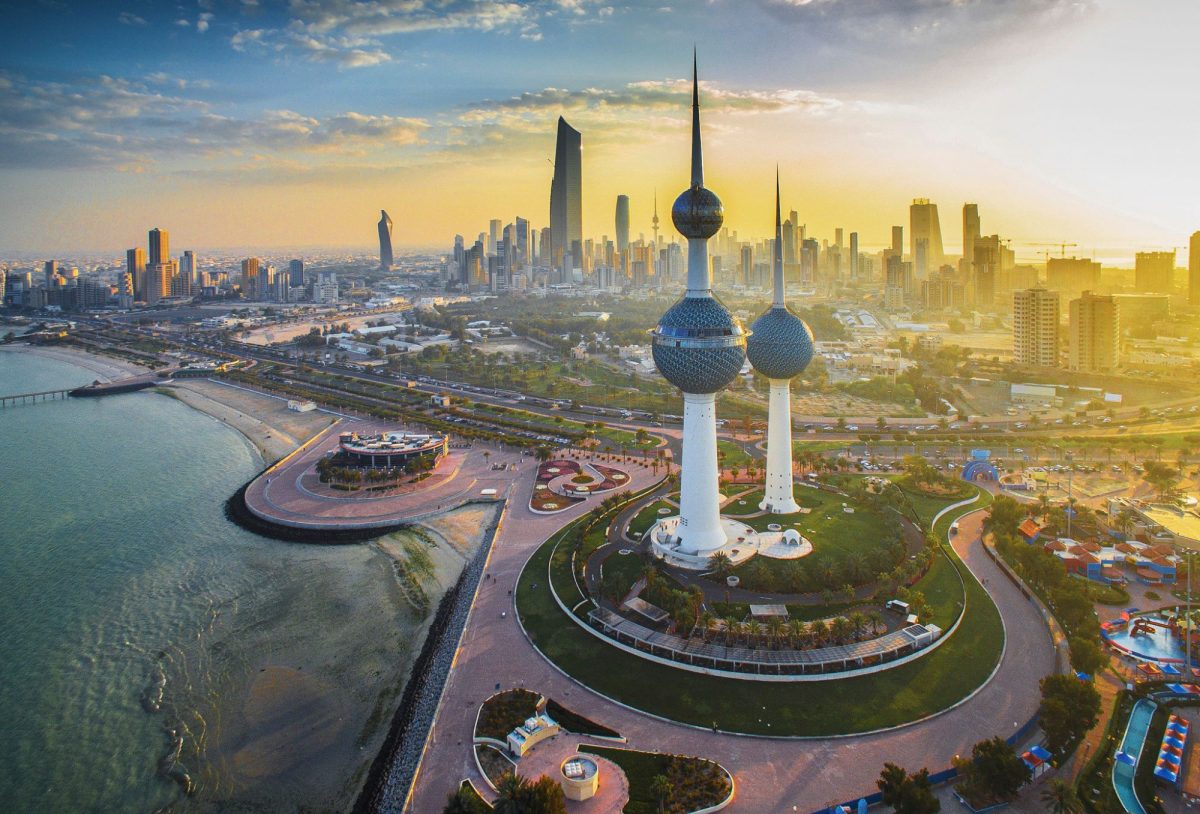
Kuwait is reviewing a proposal to establish a state-backed investment company with authorised capital of KWD 50 billion ($165 billion), according to local media reports. The entity would target large-scale projects across energy, transport, infrastructure, smart cities and industrial zones.
Finance Minister Noura Al-Fassam has submitted the proposal to the cabinet, Arabic daily Alqabas reported, citing unnamed government sources. The company would be funded by the state and is intended to support major projects while reducing pressure on the public budget by an estimated 30%.
The investment vehicle is projected to attract up to KWD 10 billion ($33 billion) in private and foreign capital. According to the ministry’s study, the company could play a central role in developing Kuwait’s infrastructure and improving its competitiveness in regional and international markets.
Priority projects under review include solar and wind power, green hydrogen, new electricity generation plants, industrial and economic zones, road network upgrades, shopping centres, and export-driven developments. Tourism and island development are also under consideration.
The government plans to fund the company via a “capital call drawdown” mechanism. A six-year timeline has been proposed for setting up the entity’s legal and operational framework. In 2028, the firm is expected to raise KWD 4.5 billion ($15 billion) through bond and sukuk issuances to finance approved projects, with investment activity increasing in the years following.
While details on the exact funding sources remain unclear, the plan follows Kuwait’s revival of an existing law allowing the government to borrow up to $100 billion over 50 years to address fiscal deficits and finance infrastructure.
The move comes amid growing energy demand and persistent power shortages. Kuwait, a founding OPEC member, is advancing new solar and conventional power projects to meet rising consumption. The Kuwait Investment Authority, the country’s sovereign wealth fund, is the fifth largest globally with assets exceeding $1 trillion, according to the Sovereign Wealth Fund Institute.