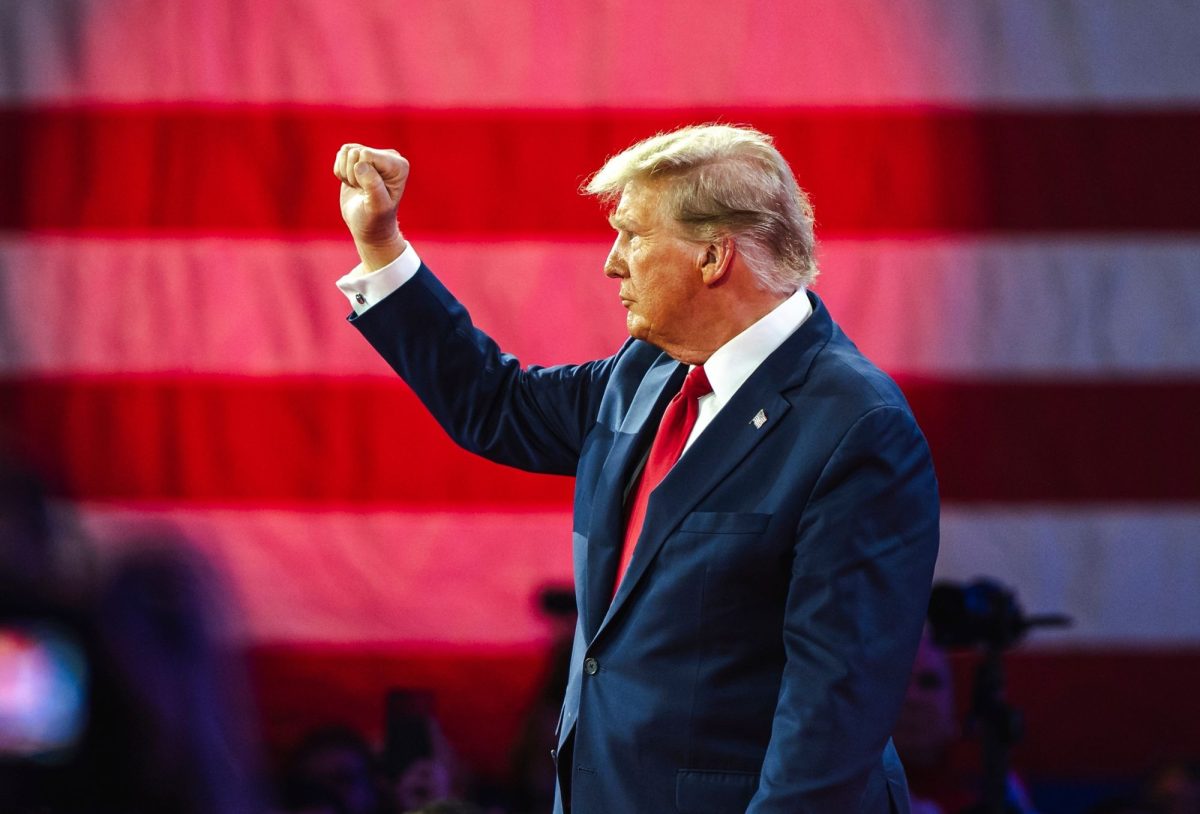
President Donald Trump announced a new trade framework with Japan on Tuesday that includes a 15% tariff on Japanese imports, reduced from the 25% threat, and a $550 billion investment and loan package from Japan to the US. Trump described the deal as “perhaps the largest trade deal in history” and said 90% of the investment profits will remain in the US.
Tokyo confirmed the tariff rollback applies to automotive imports, a key point in the negotiations. It noted Japan will commit investment capital to boost US supply chains in sectors such as semiconductors and pharmaceuticals. Japan also agreed to increase US agricultural imports, including rice. Steel and aluminium tariffs will remain unchanged at 50%.
The announcement caused Japan’s Nikkei index to rise more than 3%, led by gains in Toyota and Honda shares. US automakers criticised the deal, arguing that preferential treatment for Japanese vehicles undermines North American production.
Trump also said the agreement would include a joint US–Japan LNG venture in Alaska. Analysts caution that the deal remains a framework; full legal terms have yet to be finalised.
Policy implications
This pact follows earlier similar frameworks with countries including Indonesia and the Philippines, where threatened tariffs were scaled back in exchange for investment commitments. Economists warn these preliminary accords often lack detailed legal text, require further negotiation, and may diverge in interpretation between the US and partner countries.
Japan’s pushback on the steel and aluminium tariffs, left in place, reflects domestic pressures to protect key industries. Meanwhile, Trump’s investment-focused dealmaking aligns with his broader strategy to shift trade rhetoric toward national job creation.