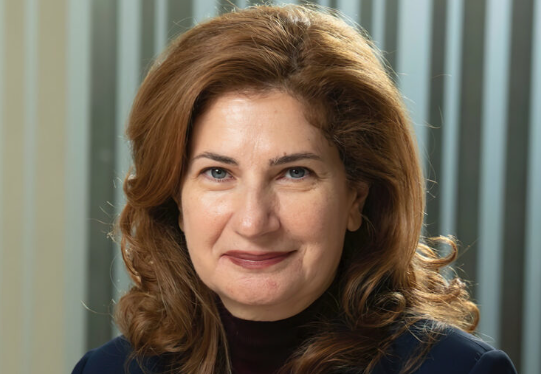
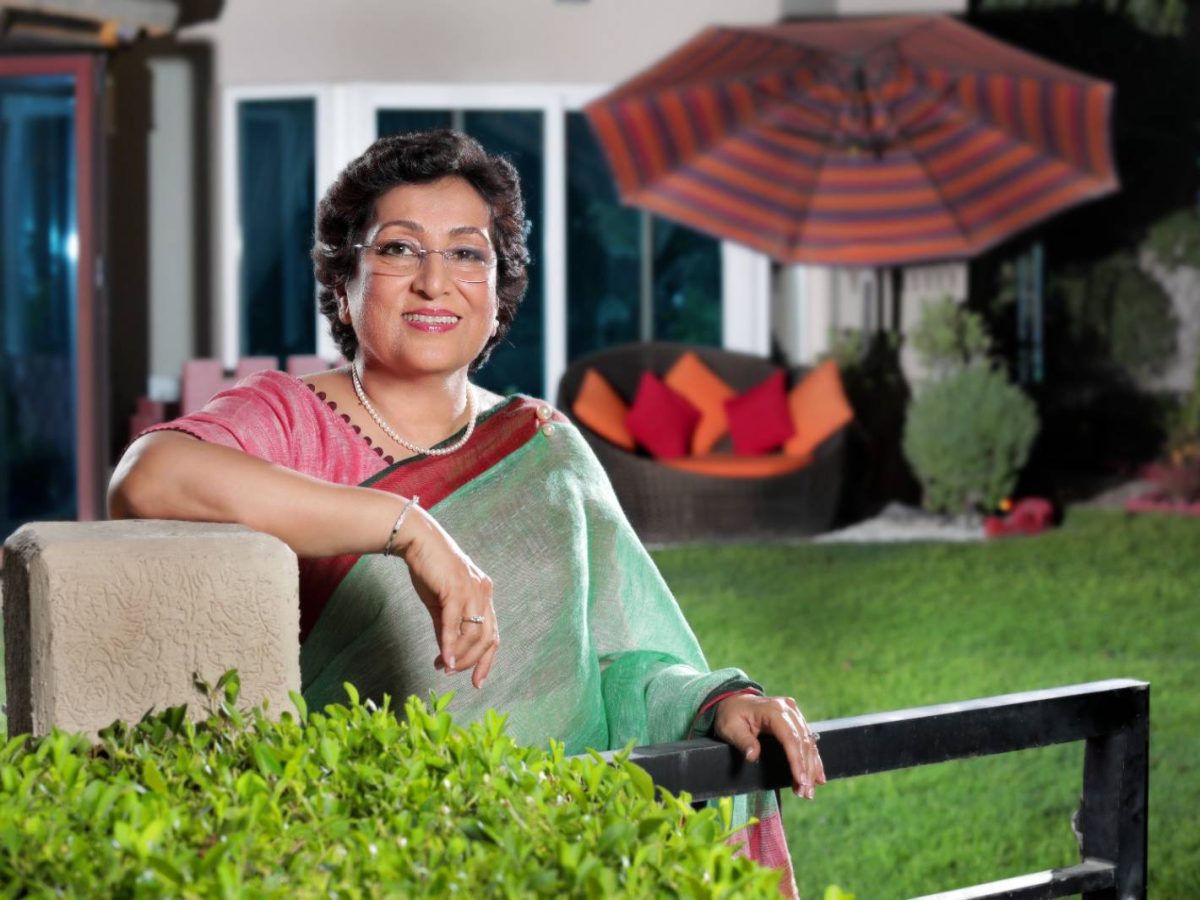
After decades in financial advisory and personal experience with loss, Nazneen Abbas is taking on a problem most families aren’t prepared for: legacy planning. Her platform, Ma’an, is building a new model for intergenerational wealth transfer, one shaped by clarity and governance. With clients ranging from high-net-worth families to first-time estate planners, Ma’an is navigating succession where the stakes are high and the conversations often avoided.
In this interview, Abbas explains why she built the platform from a deeply personal place, how regulatory systems in the UAE have supported her mission, and why Ma’an is more than a business. It’s a long-overdue solution to a problem hiding in plain sight.
What drove you to join the startup world?
Ma’an came from a personal place. I was widowed young, with two small children, and saw firsthand how money behaves – how it moves, how it escapes, and how often it bypasses the people it rightfully belongs to. That experience, and the many widows who reached out to me for help, planted the seed. So Ma’an is a mission that started and grew organically, before eventually entering the startup world.
Why did you choose the Middle East as your base?
The Middle East has changed dramatically for the better over the years. I’ve lived in Dubai for nearly 50 years and watched it grow from the ground up. The openness to legal reform, the responsiveness of institutions, and the overall ease of doing business make it possible to launch meaningful ventures here. It’s not perfect, but it is uniquely welcoming if you know what you’re building. It has become fertile ground for people looking to build and preserve something lasting.
How would you describe the region’s startup scene in three words?
Ambitious. Scalable. Inclusive.
What has surprised you in your journey?
The ease with which we could get certain things done. As someone entering a regulated space for the first time, I expected a lot of resistance or delay. Instead, we found support whether we were registering a company, writing a will, or facilitating our first Muslim probate, which many believed would be legally difficult. There was clarity, encouragement, and an openness to engage that made it feel less like a startup struggle and more like a partnership with the system.
What are (in your view) the keys to approaching investors successfully?
This doesn’t quite apply to us. Ma’an hasn’t taken on outside investment as the business that we are in is offering solutions.
What was the most challenging part of raising funding, and how did you overcome it?
Again, not relevant in our case. We didn’t go through a fundraising journey.
What is the best piece of financial advice you’ve received?
If you have a clear goal, don’t let age come in the way. That advice came from someone unexpected. I walked into my salon one day and asked my hairdresser what she had for white hair. Without missing a beat, she replied, “A lot of respect.” That moment stayed with me.
For me, it was a reminder that experience carries weight. That moment stayed with me. I’m nearly 70 now, and I’ve started something new. Age isn’t a limitation, especially not here. The UAE is open to anyone with a strong idea and the will to act on it.
What has been your biggest success and your biggest failure?
One of our most meaningful successes was working with a large family-run business. They approached us without a clear succession plan in place, and over time, we were able to guide them through the entire process, from governance to inheritance to long-term sustainability.
We helped them set up foundations, restructure certain entities, and create a family constitution that reflected both their values and their future vision. Where necessary, we brought in shareholder protection agreements, and we also structured life insurance in a way that would allow wealth to cascade across generations without disruption – what’s often referred to as the Rockefeller waterfall method. We delivered a roadmap the entire family could align around. That’s the work I’m most proud of.
As for failure – I think we haven’t yet reached as many families as we should have. Especially in family-run businesses, there’s a tendency to believe nothing will go wrong. And among many Muslim families, there’s still uncertainty around whether the solutions we offer will be legally accepted. That hesitation persists, and I see it as something we need to do more to address.
What is the best quality a leader can have?
Empathy. You can’t guide families through sensitive conversations without understanding what they’re carrying. In our line of work, emotional intelligence isn’t optional. It’s what makes trust possible.
Where would you like to be in five years’ time?
I’d like Ma’an to become a household name, not just in terms of visibility, but in meaning. Legacy shouldn’t be a hidden conversation. It should be something families discuss around the dining table, openly and respectfully.
When people sit together, they should be able to talk about money without discomfort. Everyone should know how things are going to be divided. When that clarity exists, generations can live together with understanding and respect. That’s what Ma’an stands for – together, and with respect.