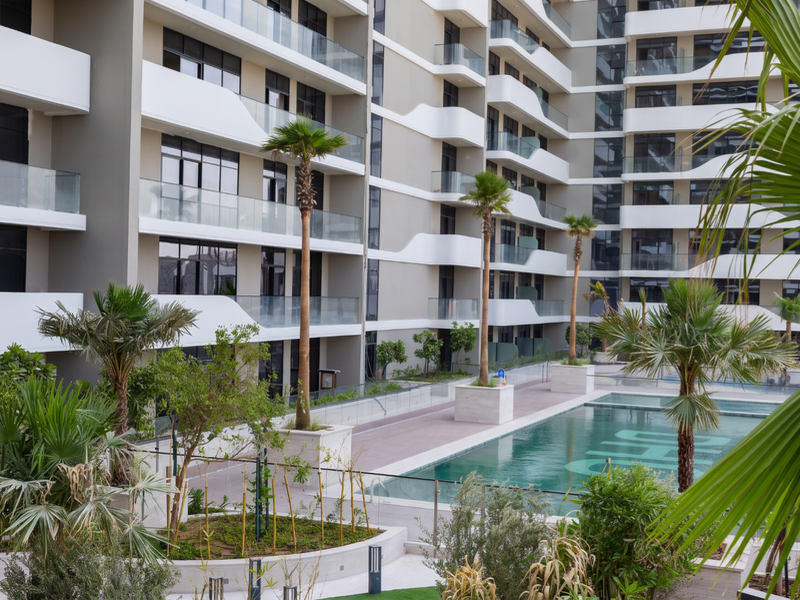

Saudi Arabia has introduced a series of legal and fiscal reforms in 2025 designed to stabilise the real estate market in Riyadh and reduce the gap between housing demand and supply. Research from Alrajhi Capital projects that amendments to the Idle Land Tax law, provision of subsidised land plots, and a new law allowing foreign ownership in specific zones will help ease price inflation and restore affordability.
In April, the government raised the tax on undeveloped land (white land) within urban boundaries to as much as 10% of a plot’s value, up from 2.5%. It extended the tax to vacant buildings as well, with levies of up to 5% of estimated rental value, subject to conditions and regulations to be issued.
In July, the Cabinet approved Royal Decree No. M/14, known as the 2025 Real Estate Ownership Law by Non-Saudis. The law will come into force 180 days after its publication, allowing non-Saudi individuals and legal entities to own real property or property‐related rights in zones designated by the Council of Ministers. Outside those zones, ownership will remain restricted. Regulations, including ownership ceilings, registration rules, and fees, will be set by implementing regulations expected by early 2026.
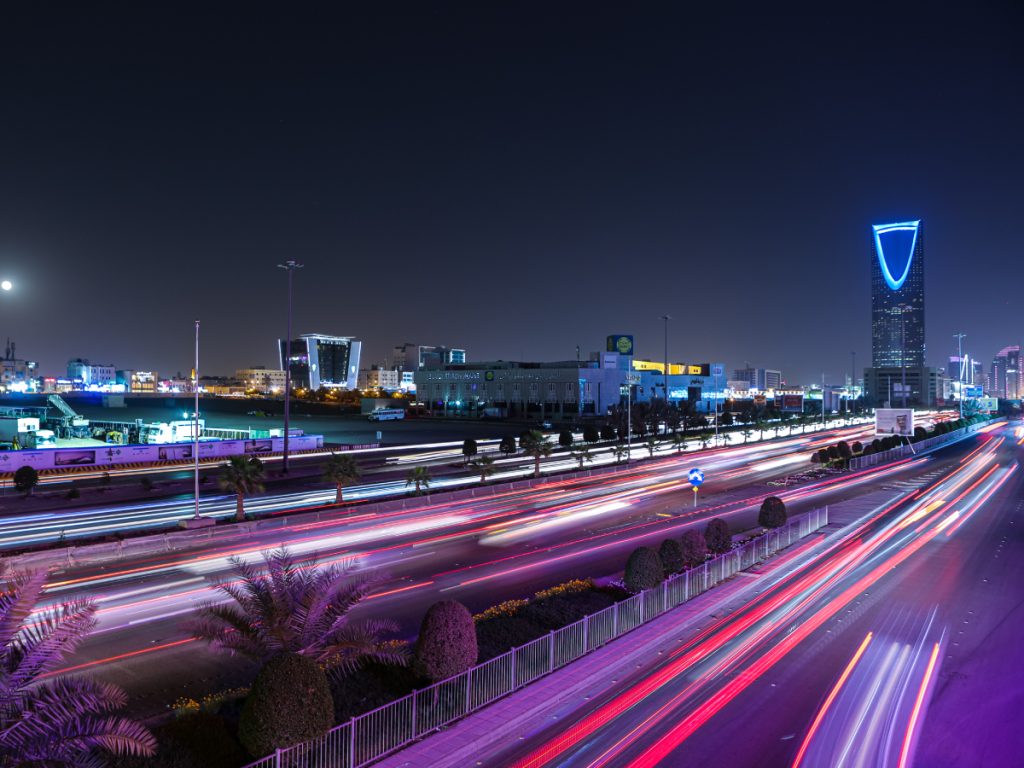
The reforms also include plans to offer capped-price land plots in North Riyadh, with allocation to Saudi nationals under fixed pricing to reduce entry cost. Meanwhile, the vacant property fee is expected to discourage owners from keeping buildings unused, easing pressure on housing supply.
Real estate activity fell in the second quarter of 2025, with transaction volume down compared with previous quarters, as market participants await clarity on how the new laws will be enforced. Analysts believe the reforms will have positive effects over the medium to long-term, particularly if interest rates decline and regulations on vacancy and foreign ownership are well-designed. Sectors likely to feel immediate impact include mortgage finance, developers holding large land banks, building materials, and construction.
What remains unresolved are the specific zones in which non-Saudis may buy property, the rates and scopes of taxes and fees for vacant buildings, and whether pricing caps or rental controls might follow as complementary measures. Implementation of regulations via the Istitlaa consultation platform is underway.