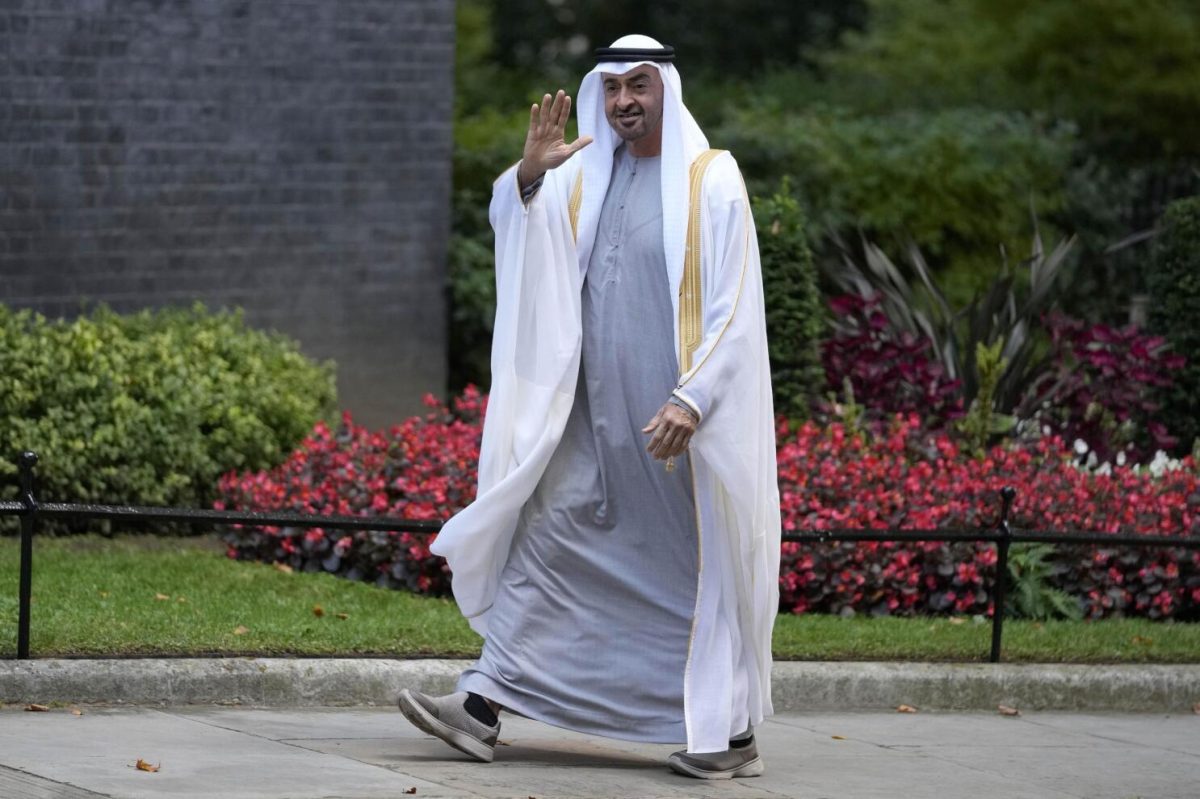
The UAE is keen to bolster its standing in the world of artificial intelligence. The nation recently had a high-profile meeting between its president and OpenAI’s CEO, Sam Altman. The discussions, held in Abu Dhabi, centered on enhancing collaboration on AI initiatives, hinting at the nation’s ambitions to create a robust AI ecosystem.
Sheikh Mohammed bin Zayed Al Nahyan, the UAE president, is evidently not shy about opening doors to partnerships that could advance the country’s tech aspirations. According to the UAE’s state news, the chat with Altman leaned heavily towards AI research and its applications, aiming to align with national development goals.
The UAE’s not just casually dipping its toes into AI. It’s diving headfirst, building one of the largest AI data centers worldwide and working on an Arabic-language AI model. The country looks poised to use its strong ties with the US to gain cutting-edge AI tech.
This effort was highlighted in a recent deal with the US to establish a vast AI campus. Announced during Donald Trump’s visit, this agreement seems like a leap towards transforming the UAE into an AI heavyweight.
For a nation primarily recognized as an oil giant, venturing into AI represents a significant pivot.
This move, while strategic, also naturally raises questions about regional impact. AI, by nature, requires robust ethical frameworks to avoid misuse, an aspect the UAE will likely tackle as its digital plans progress.
As Middle Eastern countries increasingly adapt to AI, the potential impacts on regional policies, economy, and society will be profound. Though the UAE is leading the charge, the ripple effects could resonate across the Middle East, possibly prompting neighboring countries to accelerate their own tech-driven economies. Whether these AI innovations will be shared broadly in the region remains to be seen.