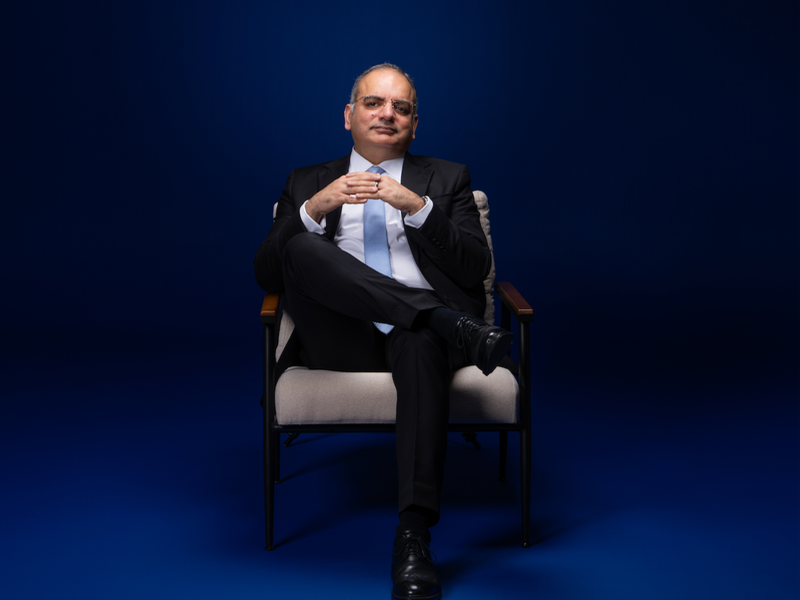

Arton Capital announced their Passport Index earlier this week with the biggest shift in recent times for the UAE. FinanceME asked the Founder and CEO of Arton Capital, Armand Arton about the latest shift.
UAE’s Rise in Global Passport Rankings
The UAE’s passport sustained 1st place position in the global rankings is largely due to diplomatic efforts than financial policies.
Abu Dhabi has since pushed to sign a series of CEPAs with a range of countries: a means of reducing visa barriers in exchange for economic cooperation.
How the Process Started?
The initiative began in 2016, alongside the Ministry of Foreign Affairs, said Armand.
MOFA were looking to improve access for its citizens as ”UAE citizens are unable to hold dual citizenship, which motivated the leadership to seek broader visa-free access for citizens,” said Armand.
Together, Abu Dhabi has used three main avenues using:
- Intensive diplomacy
- Leveraging Expo
- Visa-free access agreements
Abu Dhabi continues to leverage visa-free access for its citizens by signing bilateral and unliteral visa-free agreements, leveraging all three policies through CEPAs.
The goal? Maximise global mobility and improve the quality of life for Emiratis at a time when the Emirates needs frictionless travel for goods, commerce, and services at a time of diversification.
How the Passport Index Compares to Henley Partners?
Contrary to the Henley Partners Index, where the UAE sits as joint 8th place with the UK and other European states, Arton Capital drafts it’s index counting official countries according to the UN: 199 countries (193 countries and six territories).
The Index also uses insight from over 120 foreign ministries for real-time updates instead of using sources from IATA and other public sources, said Armand.
Upcoming Changes for UAE Citizens
Future changes to the index include up to 20 or more countries that the UAE is targeting for future visa-free agreements, said Armand.
Some countries are even being intentionally excluded due to safety and security reasons. The recent diplomatic fallout between the UAE and Sudan is one example as is the travel of Emiratis to Yemen, Uganda, and Somalia.
The UAE aims for 98% global visa-free access for UAE citizens, which is influencing other GCC nations as GCC states pursue global mobility access to support the movement of frictionless human capital.
We’re seeing this now as an example which has been taken by many other GCC countries: ”Oman, Qatar, and KSA are wishing to have the same ranking of passports and increase these soft power negotiations with various countries, lobbying for visa free access”, he said.
It will be easier for countries with smaller populations, like Oman and Qatar, whereas it is difficult for Saudi nationals because of the “security concern in the past” and size of the population, said Armand.
Trends in Global Mobility & Electronic Travel Authorisation (ETAs)
By 2030, most countries will eliminate paper visas for electronic versions. Even between visa-free countries, ETAs will be used for security filtering: AI and digital systems will streamline approvals but allow selective rejections.
Former soft power leaders, namely the U.S. and other European states, has seen their rankings slip or stagnant relative to the UAE. The U.S. now sits outside the top 10 at 41st in the Arton Capital’s 2025 Passport Index.
Direction of Wealth Flows
The direction of movement is as important as the reason. In fact, most clients who sought second residencies or citizenship were Asian.
Yet demand is now growing fastest among Europeans and North Americans, reflecting global political polarisation and migration policy shifts.
High net worth individuals and families from the G7 and G20 are seeking Plan B options, often favouring the UAE. Mobility flows for human capital are becoming multidirectional, not just “east-west” or “south-north,” said Armand.
Together, the latest ranking is testament to the GCC’s push to ease capital restrictions, through diplomacy often leveraging the UAE’s trading and digital policies, to gain improved access for its business community moving between the Emirates and global hubs.
Stay Up to Date with FinanceME!
“Water Runs Down the Hill”: ADFW CEOs Predict Unstoppable Blockchain Shift
Inside the 2025 Wealth Shift: New Billionaires, New Power Shifts
Dar Global Announces MAD Investment in Oman’s Coastal Districts