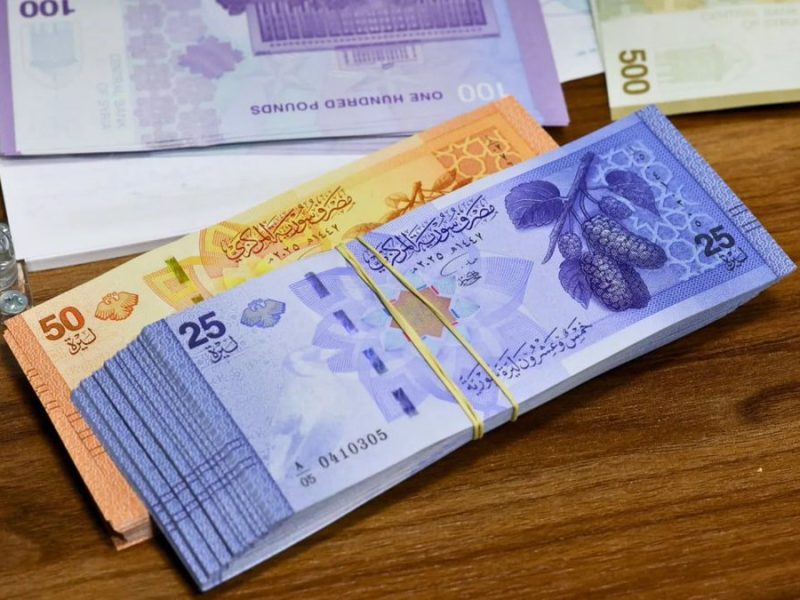

Government borrowing has significantly supported loan growth within Bahrain’s banking sector despite weak demand from private enterprises and a decrease in lending to small and medium-sized businesses (SMEs).
This development follows a 3.8% YoY contraction in Bahrain’s GDP for the first quarter, primarily attributed to disruptions in oil production and exports caused by geopolitical tensions in the region.
Lending to Customers
As of July 31, lending to resident non-bank customers grew by 8% YoY, amounting to BHD 13.55B (approximately $36B), as reported by the central bank. Notably, state borrowing constituted around 60% of new loans within the past year.
Lending to SMEs experienced a decline, totalling BHD 431M, reflecting an 8% drop since February. Analysts attribute the increase in government borrowing to the ongoing regional instability, prompting GCC nations to bolster spending to stimulate their economies.
Bahraini banks are adopting a cautious approach to private-sector lending, with businesses, including SMEs, reevaluating their expansion strategies amid a challenging high-interest-rate environment.
The banking sector remains liquid, with deposits rising to BHD 22.6B in July, representing a 12% increase YoY.
The loan-to-deposit ratio remained stable at 60%.
Liquid Banking Sector
Analysts noted that the current environment does not reflect a typical liquidity-driven crowding-out effect as government borrowing has become increasingly attractive due to its risk-adjusted returns.
Banks reported BHD 7.1B in government securities, enhancing their total exposure to state instruments to BHD 8.8B, up 13% from the previous year—substantially exceeding their capital and reserves of BHD 4.1B
Historically, Bahraini banks have preferred government securities due to their appealing returns and lower credit risks.
Investment in Securities Up
With subdued credit demand, investment in government securities is anticipated to rise. In the first half of 2026, the sector’s return on assets was recorded at 0.5%, marking a slight decline from the previous year.
Some analysts believe that the recent increase in US interest rates may facilitate a rebound in net interest margins, particularly benefiting banks with substantial corporate loan portfolios.
The aggregate non-performing loan ratio for Bahraini banks stood at 2.8% in the second quarter, reflecting a 0.2 percentage point increase this year.
The central bank’s temporary easing of regulations regarding the classification of troubled loans may have obscured the true levels of non-performing loans.
Stay Up to Date with the Latest Updates at Finance ME
EDGE’s Rodrigo Torres on Risk, Sovereignty and Defence Finance in a Multipolar World
ADNOC Distribution’s Ali Siddiqi: “Growth, Growth and Growth”