
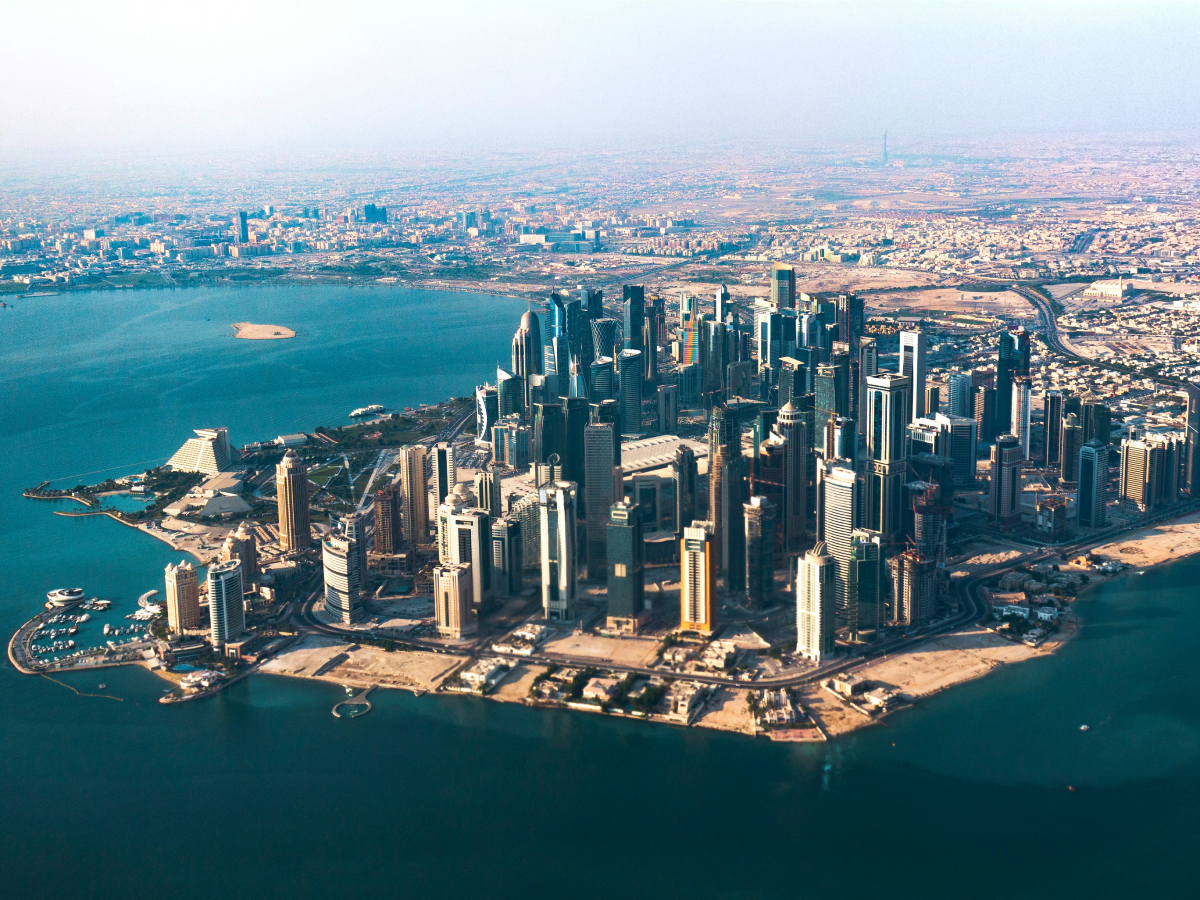
With its geographical location and renowned logistical infrastructure, Qatar has long been recognised for its vast oil and gas reserves. The Gulf Cooperation Council (GCC) nation has been working towards economic development and diversification in recent years. Central to Qatar’s efforts has been encouraging foreign investment and expanding into non-oil and gas-related markets to drive growth of the overall economy through the National Development Strategy (NDS).
Most recently, Qatar announced new initiatives as part of the Third National Development Strategy (NDS3), such as shifting towards permitting more business activities under 100% foreign ownership capabilities. Additionally, the objective is to digitalise 90% of its citizen services by 2030, aligning with the Qatar National Vision 2030 strategy’s aims and dramatically enhancing the country’s digital infrastructure. A critical aspect of NDS3 is establishing a specialised and dedicated ‘Centre of Excellence’, which fosters data and emerging technologies.
Since the initial launch of Qatar’s National Vision in 2008, the country has been making significant changes and improvements to its business environment by implementing internationally renowned infrastructure. The latest update, announced by Qatar’s Minister of State for Cabinet Affairs, introduces the third strategy from 2024 to 2030, the final phase of the NDS, which aims to bolster the country’s ability to overcome challenges and further develop into an advanced global business hub by 2030. Executing these strategies and their goals ensures Qatar’s continuous prosperity for its economy, people, and business environment.
The more significant changes to the Qatari business landscape have been extending new business activities to the list of activities and sectors permitted to be 100% foreign-owned. Previously, foreign investors may have been restricted to the extent that they could own and operate their business within Qatar. These restrictions and barriers have become increasingly dismantled thanks to the new reforms. These new permissions will now encourage international participation from entrepreneurs, organisations and professionals in key economic industries and sectors, catalysing innovation and competition in the economy.
The commitment to digitalisation in Qatar introduces new opportunities for technology businesses looking to capitalise on the emerging technological ecosystem, which is becoming increasingly prevalent in businesses worldwide. The ambitious target of digitalising 90% of citizen services by 2030 highlights the innovative recognition of how technology can enhance services by increasing efficiency and the overall experience of operations in Qatar.

The NDS3 initiative and establishment of the specialised ‘Centre of Excellence’ for data and emerging technologies further Qatar’s infrastructural prowess by significantly enhancing the digital infrastructure. The Centre will position Qatar as a regional and global leader in the digital economy by spearheading the development of national data governance and data management frameworks, including artificial intelligence (AI), blockchain, and cybersecurity. Qatar’s Centre of Excellence will encourage, foster, and accelerate the adoption and development of cutting-edge data and emerging technologies.
For businesses operating within Qatar or the wider GCC region, embracing digital transformation in an increasingly vast and diverse digital and technological business landscape will be essential. Qatar’s National Development Strategy reflects a bold, innovative, and strategic vision supported by attractive reforms and incentives for entrepreneurs and businesses to invest. These ambitious initiatives ultimately diversify Qatar’s national economy and solidify the country as an international hub for companies across multiple industries.