


Personal wealth across the region is on the rise, with the number of ultra-high-net-worth individuals (UNHWIs) expected to surge by 25% in the next five years, making it the fourth-largest wealth hub in the world. The UAE alone expects a net inflow of over 6,700 millionaires in 2024, according to research by Henley & Partners. Several Gulf countries, with their strategic locations, favourable business policies, robust regulatory frameworks and attractive golden visa systems, have become magnets for HNWIs, UHNWIs and career expats.
“The GCC region presents several promising investment trends and opportunities driven by economic diversification efforts, technological advancements and sustainability initiatives,” explained Daniel George, Head of Business, St. James’s Place Middle East. “Key sectors in focus include renewable energy, driven by national projects like Saudi Arabia’s Vision 2030; digital transformation, with increasing investments in fintech, AI and e-commerce; and real estate, buoyed by urbanisation and infrastructure development.”
However, it is crucial to avoid simply equating macro trends with equity market opportunities, said George. “One of the most common investment pitfalls we have observed is that investors often focus too much on what is currently popular and exhibit ‘recency bias,’ assuming that assets, markets, or sectors that performed well in the recent past will continue to do so, and vice versa that areas which are depressed and neglected by the media will continue to underperform,” he stated.
He is right. Investors mustn’t chase trends but continue prioritising the fundamentals—earnings, growth prospects, risks and pricing—of individual investments. These fundamentals and diversification are the cornerstones of a balanced and sound investment strategy that allows investors to mitigate risks while tapping into investment opportunities.

Popular financial products among HNWI
Industry experts are seeing a growing demand for bridging different generations within the family to manage differences of opinion—while balancing the more conservative interests of the first generation with the dynamism and innovation of younger generations.
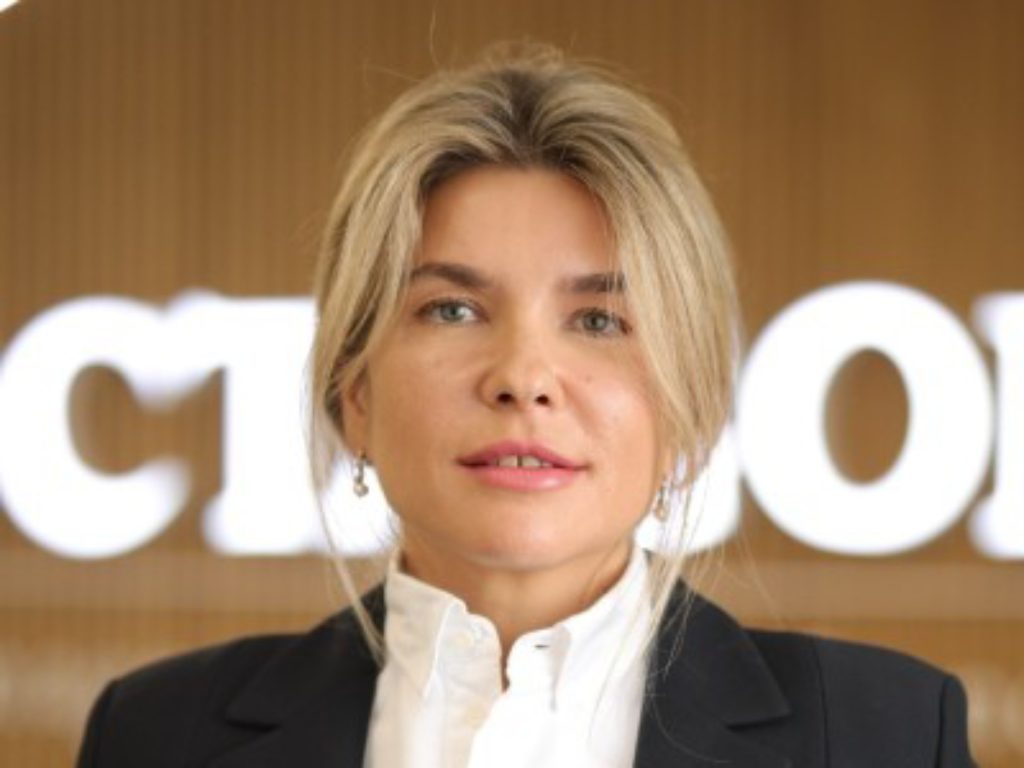
“Additionally, there’s increasing interest in products and services that align with new macro-trends,” stressed Ekaterina Chernova, Founder of Octagon. These include digitalisation, artificial intelligence (AI) and sustainability investments. “We’re also seeing new structures emerging around real estate, where people are pooling resources and investing in real estate private equity funds,” she added.
“These funds offer investors exposure to the fast-growing real estate market in the region, which continues to benefit from the ongoing influx of wealth to the UAE, Saudi Arabia and Oman.”
Analysts estimate investors in these private equity real estate funds will likely experience further growth and high returns on their investments as the region’s real estate market continues to expand.
On top of all the trends and investment products mentioned above, regular wealth advisory services are essential, providing personalised, face-to-face advice that builds trust and addresses each client’s unique needs and goals. “This blend of cutting-edge technology and personalised service ensures comprehensive and responsive wealth management for UHNWIs and HNWIs in the region,” added Joseph El Am, General Manager MENA, StashAway.
Balancing portfolios
Wealthy individuals seek experts with deep knowledge across global wealth jurisdictions to advise them on how to navigate the challenges like geopolitical realignments and rising capital costs. They need tailored and holistic investment advice to navigate their increasingly complex financial needs. To effectively manage risks associated with market volatility, UHNWIs and HNWIs should adopt a comprehensive strategy that includes geographical, asset and industry diversification, strategic investments in private markets and liquidity maintenance through cash and money market funds.
- Geographical diversification: Investing across different geographic regions helps spread risk and reduces exposure to any single market’s economic or political instability. For example, combining investments in the Middle East with assets in North America, Europe, and Asia can provide a more balanced and resilient portfolio. This strategy ensures that downturns in one region can be offset by stability or growth in others, enhancing overall portfolio stability.
- Asset diversification: Diversifying across various asset classes is fundamental to managing risk. A well-balanced portfolio might include equities, bonds, real estate, gold and alternative investments. Equities offer growth potential, while bonds provide income and stability. Real estate investments can generate steady rental income and appreciate over time. Including commodities and hedge funds further diversifies the risk profile and can enhance returns.
- Industry diversification: Spreading investments across different industries can protect against sector-specific downturns. For instance, balancing investments in technology, healthcare, finance, energy and consumer goods can mitigate risks associated with a decline in any single industry. Investing in multiple sectors allows investors to leverage growth opportunities in various areas while reducing the impact of industry-specific volatility.
- Private market investments: Private market investments, such as private equity and venture capital, offer opportunities for high returns and diversification beyond public markets. These investments can include stakes in private companies, real estate projects, or infrastructure developments. Private equity allows investors to access companies with significant growth potential that are unavailable on public exchanges. Venture capital investments in startups can also provide substantial returns, albeit with higher risk. These investments are less correlated with public market fluctuations, providing a hedge against volatility.
- Cash and money market funds: Maintaining a portion of the portfolio in cash and money market funds is crucial for ensuring quick liquidity and emergency funds. Cash reserves provide immediate access to capital, enabling investors to respond swiftly to market opportunities or urgent financial needs. Money market funds offer higher yields than traditional savings accounts while maintaining liquidity and low risk, making them ideal for preserving capital in volatile markets.


“Critically, in good times and bad, it’s important to impress on clients that a degree of volatility is a normal part of investing,” noted Steven Rees, Managing Director, JP Morgan Private Bank. “Investors should expect pullbacks—from 2022’s rout (which was the worst for US stocks since the global financial crisis), to March 2023’s regional bank stress. But despite these sell-offs, stock markets have rewarded long-term investors.”
Since 1980, the S&P 500 has suffered an average intra-year pullback of -14%, with 16 of those 44 years seeing even steeper losses. Yet the full-year return was positive in 33 of 44 years (75% of the time). “So again, while the ‘risk’ for stocks is volatility, the ‘reward’ has historically come with the return of long-term capital appreciation,” he added.
Alternative investments
Discussing the role of alternative investments in diversifying and stabilising portfolios for wealthy investors in the Middle East, Angelina Lai, Chief Investment Officer – Asia & Middle East, St. James’s Place, clarified that alternative investments vary largely in risk characteristics and return, and it often comes down to the individual’s risk appetite.
Alternative assets such as direct property can offer tangible assets and steady income streams in a long-term portfolio where liquidity is managed and planned for. At the same time, private equity provides access to high-growth potential ventures. “When considered as part of a diversified portfolio, these investments can help offset the volatility of public markets and provide long-term capital appreciation and protection against inflation,” said Lai. “When considering any such investments, it is critical that investors seek the advice of appropriately skilled and qualified experts who can provide accurate information and guidance based on an understanding of risk tolerance and financial aspirations and to ensure that the risks are properly understood and planned for.”
Echoing Lai’s sentiments, Rees said, “A globally diversified, 60/40 portfolio is always a good starting point; however, in today’s macro and market backdrop—which we define as ‘a strong economy in a fragile world’—alternatives can be especially important.” For instance, real assets and infrastructure can hedge against inflation, private credit can earn a premium amid higher rates, and thematic-focused strategies can spot early-stage or hard-to-access opportunities across AI, security and the energy transition. This approach ensures that we are not overly reliant on any asset class or region, thereby enhancing our clients’ portfolios’ resilience and potential returns.”
Global investment strategy
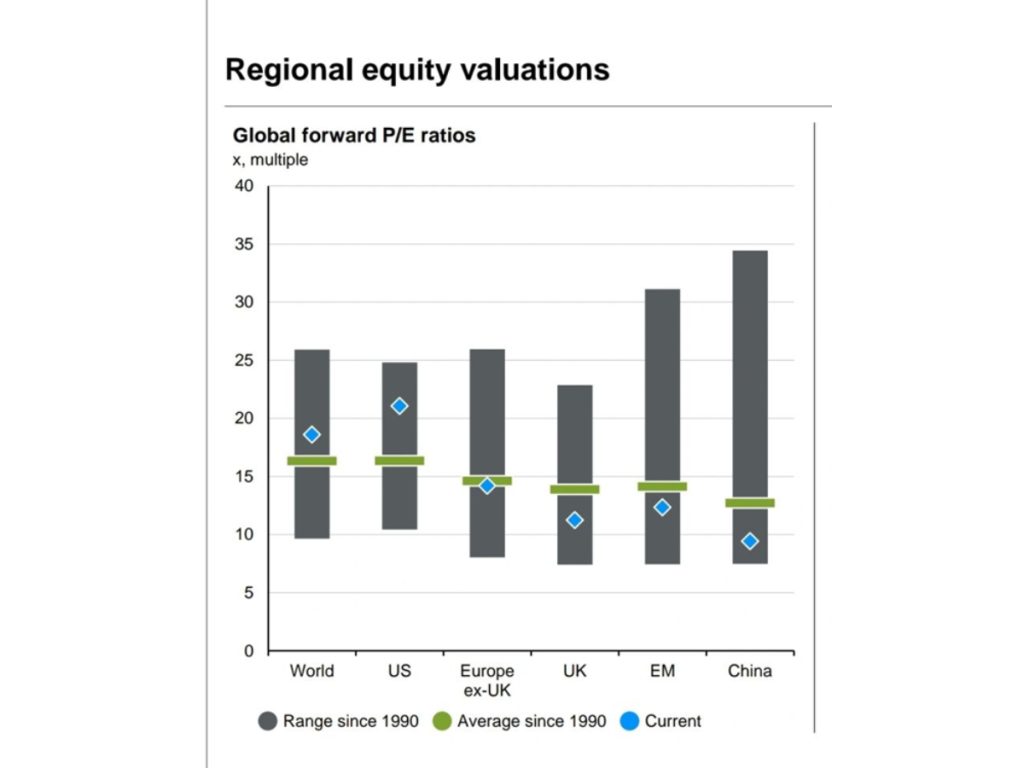
When asked about how important it is for UHNWIs and HNWIs to have a global investment strategy and how they can balance this with local opportunities in the Middle East, industry experts quoted studies that have shown that home-biased investors forego the benefits of diversification and hold portfolios that are more prone to idiosyncratic shocks. Therefore, having a global investment strategy is vital for UHNWIs and HNWIs to access diverse markets and mitigate regional risks. This doesn’t just mean simply allocating to the US S&P 500 in addition to local markets, though, which currently seems to be a popular idea, noting that valuations have become relatively higher than the global average. At the same time, concentration risk in several companies dominating indices has risen.
For example, technology and AI remain very promising as a sector currently, but high valuations bolstered by strong market attention may also imply correction risks. It is thus very important to ensure that the global investment strategy appropriately considers the relative return potentials of different geographies, sectors and asset classes based on their valuations, current stages of the economic cycle, tail risks, and other important factors. These are all important factors included in our portfolio construction process.
Investing in infrastructure projects
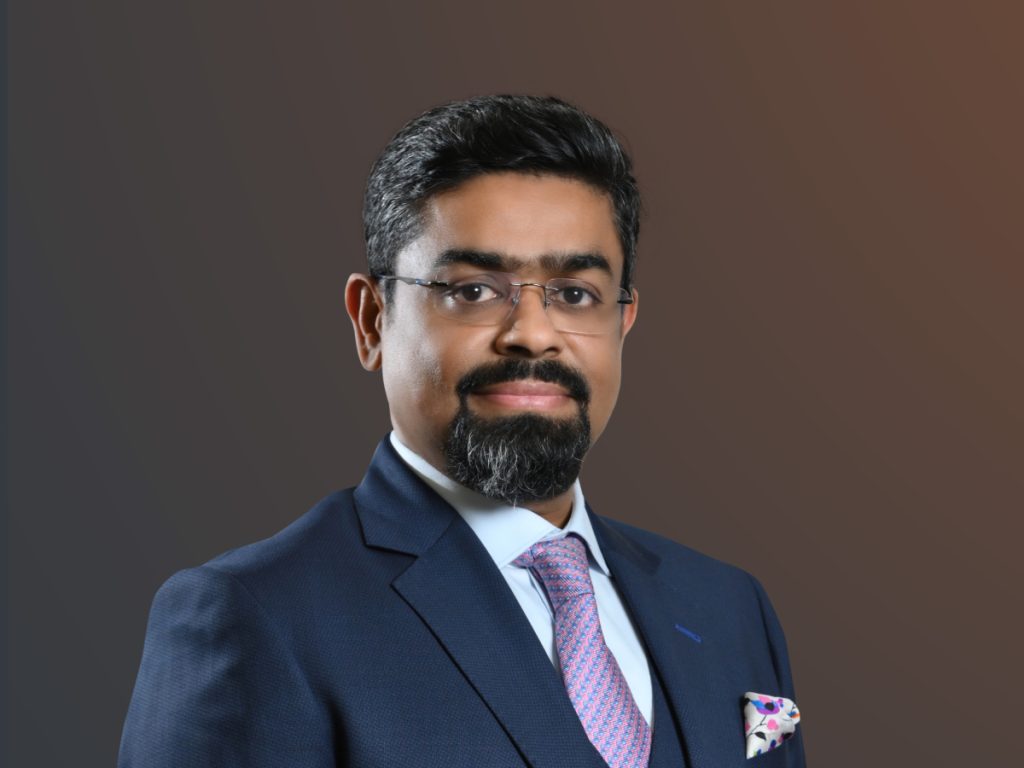
Infrastructure investments are inherently long-term and typically involve large institutions due to their substantial ticket sizes. “One approach is to invest in infrastructure through publicly listed entities, either through IPO participation or in the secondary market,” stated Renoy Kundukulam, CEO of FinMark Capital Limited. “Globally, companies specialising in infrastructure development, like Emaar, offer opportunities for long-term growth. These companies contribute to both commercial and residential infrastructure, aligning with the country’s development goals.”

When considering infrastructure investments, focusing on publicly listed entities is crucial due to the significant capital requirements involved, often beyond regular retail investors’ reach. Moreover, the country’s economic health and spending priorities are pivotal. Investors should assess a country’s budget plans and economic growth trajectory to gauge potential infrastructure investment opportunities.
“While investing in infrastructure projects in the Middle East can offer attractive growth opportunities and diversification benefits, it is essential to conduct thorough due diligence, assess potential risks carefully, and develop robust risk management strategies to mitigate uncertainties and maximise investment returns,” warned Vipul Kumar, Head of Private Banking at Mashreq. “Infrastructure investments in the Middle East benefit from rapid urbanisation and increasing demand for modern infrastructure such as transportation, utilities and telecommunications.
“Many infrastructure projects receive strong backing from governments through funding, which can enhance project viability and investor confidence.”

Top wealth management trends in the region
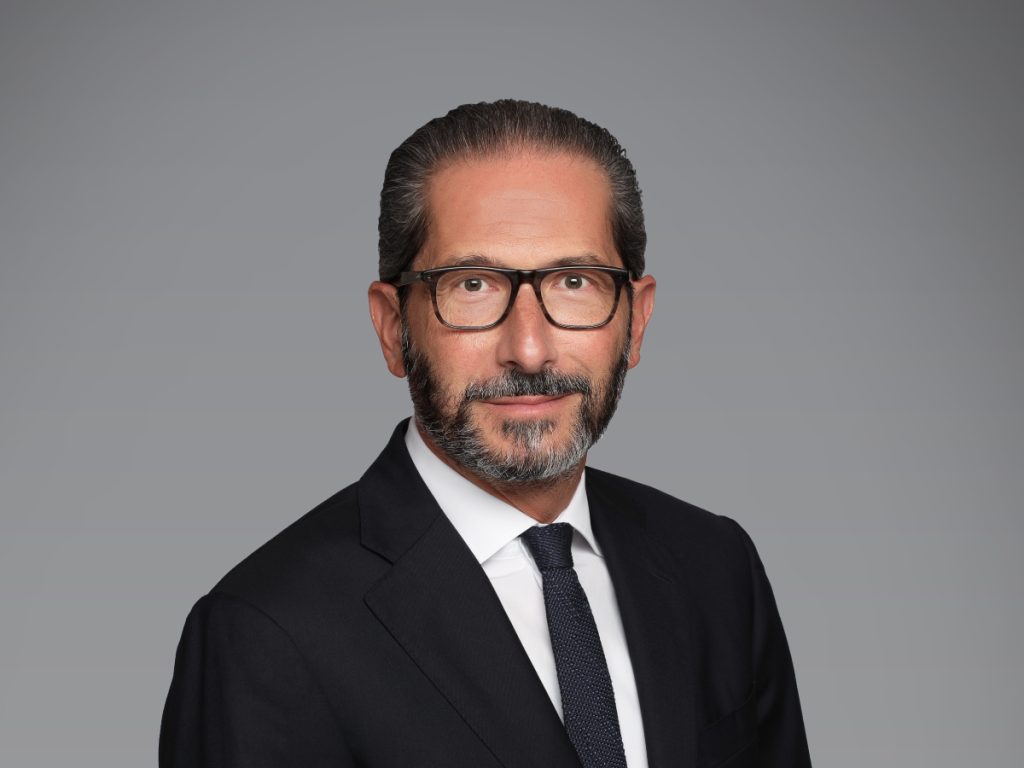
The Middle East’s wealth management landscape is undergoing a dynamic transformation, marked by several prominent trends. Ali Janoudi, Head of New Markets, Lombard Odier Group, highlights a few.
- Succession planning: The region is experiencing a major intergenerational wealth transfer, with $1 trillion in assets expected to be passed down over the next decade. This is creating a new wave of high-net-worth individuals (HNWIs) seeking bespoke solutions for estate planning, philanthropy and succession planning. This has led to exponential growth in family offices, especially in the UAE.
- Sharia-compliant financial products: The demand for Sharia-compliant financial products and services continues to rise in the Middle East. Wealth managers are increasingly offering Islamic finance solutions, including Sukuk (Islamic bonds) and Sharia-compliant investment funds, catering to clients who seek to align their investments with their religious beliefs.
- Sustainable and ESG investing: Environmental, social and governance (ESG) factors are increasingly influencing investment decisions in the region. This trend is driving the issuance of green bonds and the creation of ESG-focused funds, reflecting a broader commitment to positive environmental and social impact.
- Digital transformation: The wealth management sector in the Middle East is undergoing a significant digital transformation. Firms are integrating fintech solutions and utilising AI, machine learning and big data analytics to enhance investment strategies and customer service. Digital investment platforms and robo-advisors are becoming more prevalent, offering clients greater transparency and easier access to their portfolios online.
- Personalised services: Wealth managers strongly emphasise providing highly personalised services. These include bespoke investment strategies and comprehensive financial planning that encompasses tax optimisation, estate planning and more.
- Alternative investments: There is strong interest in alternative investments like real estate, private equity, private credit and venture capital. Real estate, infrastructure and commodities are popular for diversification and inflation hedging. The technology startup sector is also attracting significant venture capital, showcasing the region’s innovative potential.
Opportunities for UHNWIs and HNWIs in the next five years in the region
The USD peg for most economies in the region has kept inflation relatively in check compared to other emerging markets. Nevertheless, real asset prices and commodities like precious metals have continued to appreciate, leading to gains in overall wealth levels for UHNWIs and HNWIs.
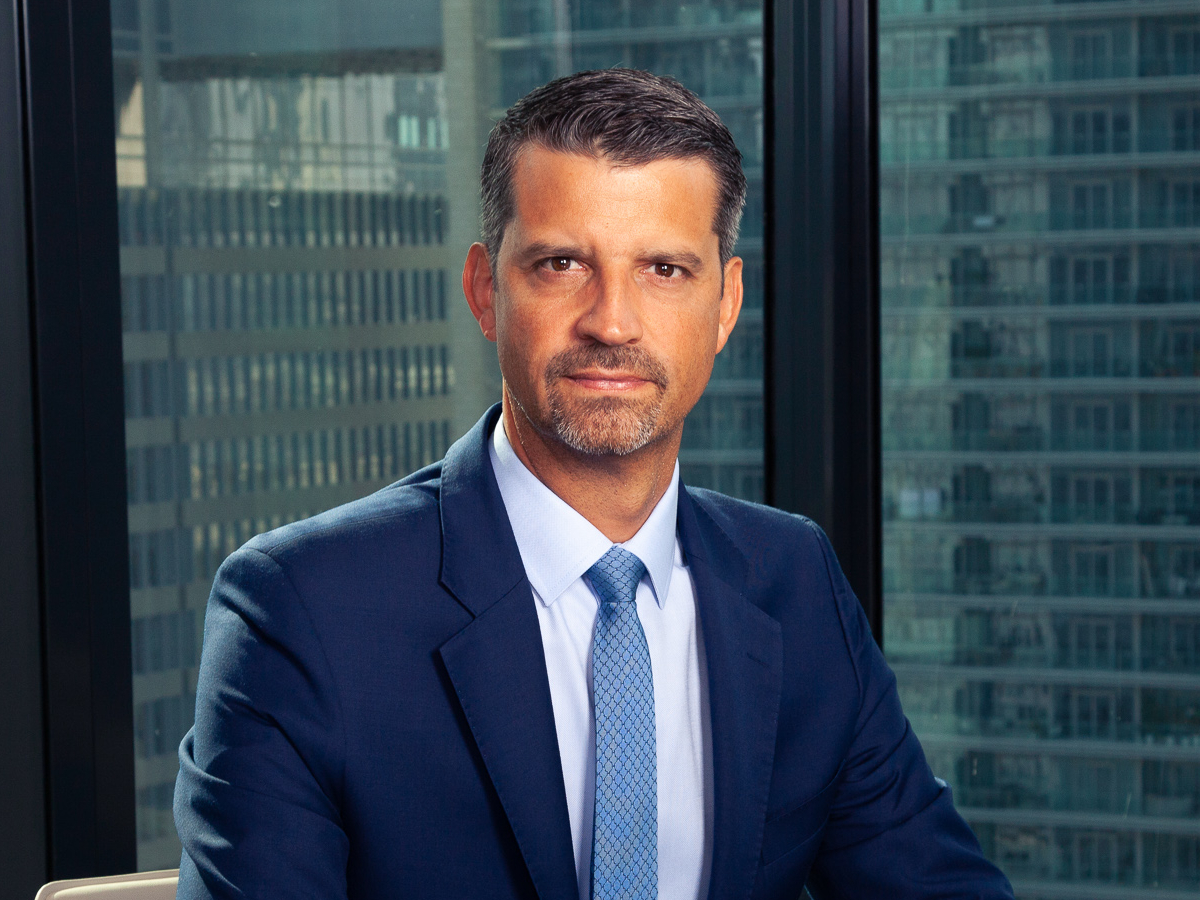
“We observe that this has further increased risk appetite when making ongoing investments,” noted Regis Burger, Head of Middle East & Africa at Julius Baer (Middle East) Ltd. “The next five years will be about growing this wealth and preserving it. We always advise our clients to look at the long-term horizon, and most importantly, having a diversified strategic allocation.”
The Middle East’s growing number of UHNWIs and HNWIs is driving significant investment opportunities across sectors like real estate, technology and infrastructure. As the region evolves into a major global wealth hub, investors must balance local advantages with global diversification to manage risks and capitalise on emerging trends.