
The rise and fall of NFTs in the art market has often been framed as an infringement on the practise of art itself. Collectors complain about the digitalisation of art, citing profit over the process and value of the end product.
Yet a closer reading of market behaviour in the GCC suggests a different conclusion: NFTs didn’t fail in its technology—speculative buyers did.
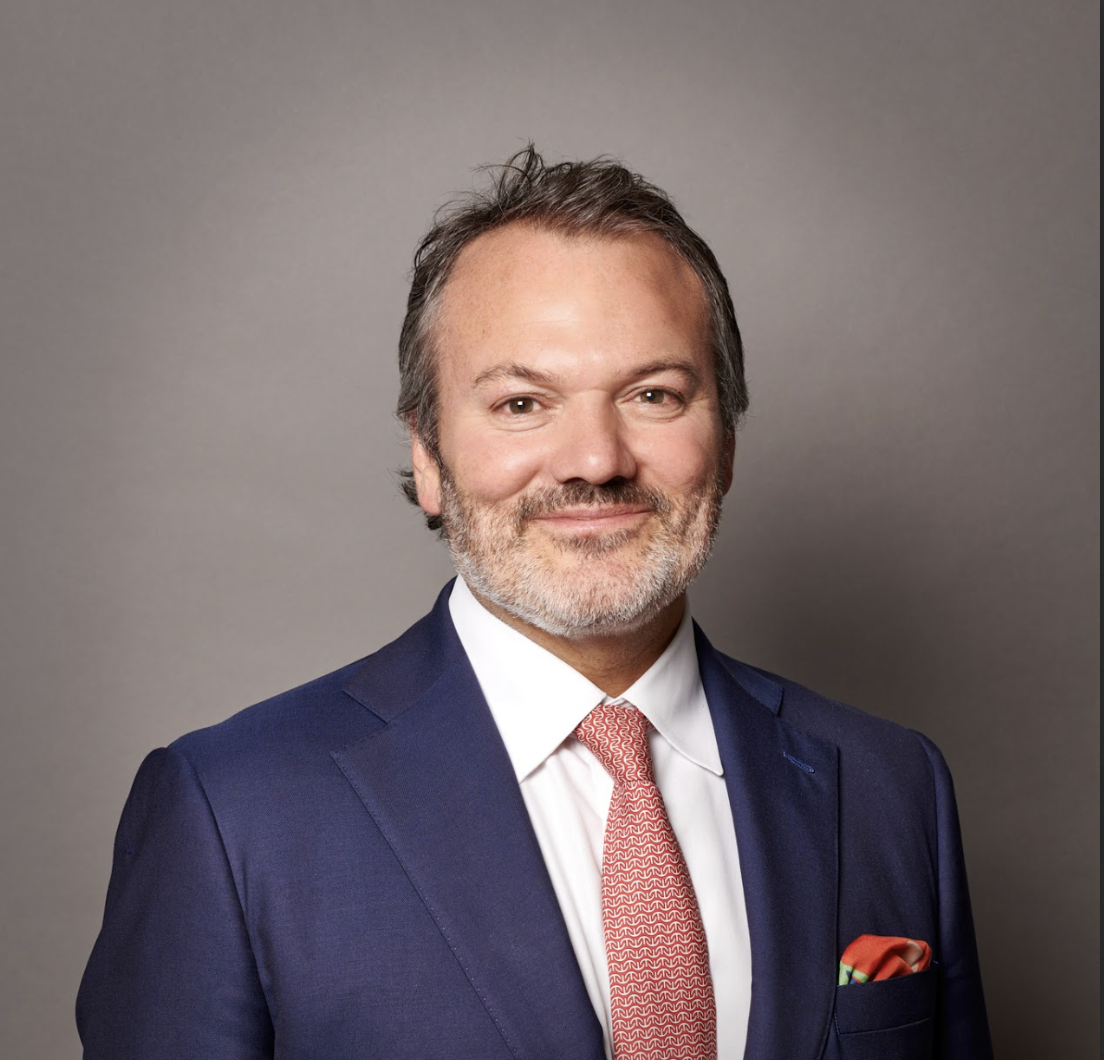
I spoke to Hugo Nathan, Founding Partner of Beaumont Nathan, at Sotheby’s Collectors’ Week in Abu Dhabi earlier this year as the firm celebrated its launch in Abu Dhabi.
NFT Founding (2014)
The hype started in 2014, with the development of the NFT ecosystem, before peaking between 2021-2022. Kevin McCoy and Anil Dash founded the first NFT, Quantum, in 2014 evolving into digital art and collectibles such as CryptoPunks (2017).
As the Founding Partner of Beaumont Nathan put it: “NFTs came along and everybody got very excited about them.”
Yet this interest largely driven by financial opportunism. “What became apparent was that everybody was interested in NFTs as a way of making money without being actually remotely interested in the underlying asset.”
This distinction is critical. Traditional art markets have long been underpinned by a collector mindset—buyers who acquire works for the its artistic value than to sell.
Scarcity like any asset drives value: art is no different.
Hype & Evolution (2021-2022)
The hype started in 2021 before a sustained crash in the market.
Starting in 2021, demand for NFTs surged following a bullish cryptocurrency market. Several global brands, such as Nike acquiring RTFKT and Coca Cola launching a series of animated NFTs (2021).
“Art generally as an asset works best when you’re buying something you don’t want to sell… because then it goes up in value, it’s prized and has to be prized out of your hands.”
Much of the NFT boom was characterised by short-term flipping. “If you’re buying it and everybody knows you’re buying it purely to sell and you have no interest in owning it… it’s sort of pointless,” said the Founding Partner.
The result was a market detached from the very principles that sustain long-term value in art.
“Really no one cared what the actual NFT was; they just cared about the numbers behind it,” according to Nathan.
When speculative momentum slowed, prices collapsed—not because the underlying blockchain technology failed, but because the buyer base lacked conviction.
Mid-2022: Beyond Speculation
By mid-2022, the market crashed and reconfigured itself beyond speculative investments covering digital collectibles and financial speculation.
Indeed, the technology itself remains intact and potentially transformative. “The technology obviously hasn’t [gone away], but it may resurface in a way that’s much more practical and actually directly linked with artworks.”
This is a crucial point for markets like the GCC, where infrastructure, institutional backing, and long-term cultural investment are shaping a more resilient art ecosystem.
Nowhere is this more evident than in Abu Dhabi, positioning itself as a cultural hub through deliberate, state-backed development.
Unlike more commercially driven centres, Abu Dhabi offers what the Nathan describes as “a very considered attitude… towards culture and the importance of art and culture from a societal viewpoint.”
The ongoing development of Saadiyat Island—home to major institutions like Louvre Abu Dhabi and Guggenheim Abu Dhabi later this year—signals a long-term commitment to building cultural capital rather than chasing trends.
Inverting Reality: NFT Possibilities in the GCC
This measured approach stands in contrast to the speculative frenzy that defined the NFT boom. It also aligns with how art markets have historically matured. While cities like New York and London became global art capitals through centuries of collecting and institutional growth, the GCC is effectively compressing that timeline.
“Here in Abu Dhabi, things are slightly turned on their head,” the Nathan noted. “We’re about to have Saadiyat Island full of the most incredible museums… and then the collecting might come after that.”
This inversion—building institutions first, then cultivating collectors—could create a more stable foundation for integrating emerging technologies like NFTs. In contrast to the early NFT market, where buyers often lacked understanding, future adoption in the GCC may be more informed and purposeful.
NFT Financial Bubble
Nathan is clear about the dangers of investing without comprehension: “People were saying, you’ve got to buy NFTs. It’s a great investment. But they didn’t know why it was a great investment.”
“That is usually the source of any great bubble… people investing in something they don’t understand,” said the Founding Partner.
NFTs followed this exact trajectory. “They went from nobody having heard of them to suddenly being worth millions… in some cases, tens of millions.” Artists rushed in, supply surged, and prices inevitably collapsed. “The vast majority of them have gone down to virtually zero because it’s sort of more of an idea than an actual object.”
This critique points to another tension: the role of tangibility in art valuation. Traditional art objects carry what the speaker describes as an “aura”—a physical presence tied to history, authorship, and experience. “This is the actual car someone sat in and raced in… it’s not a certificate that says this relates to a car that once existed. This is the car.”
Yet dismissing NFTs on this basis alone may be premature. The art market has always evolved alongside new mediums, from printmaking to photography to digital art. What matters is not the format, but the context, scarcity, and cultural significance assigned to it.
Blockchain technology, with its ability to verify provenance and ownership, could eventually complement traditional systems.
Corporate Collections
In the GCC, there is an opportunity to integrate NFTs in a more meaningful way. Corporate collections, for example, are already being built identity and engagement than speculation. JP Morgan have their own corporate art collection, the Chase Art Collection, whilst also Deutsche Bank sponsors art fairs including Art Basel and the Frieze.
“Collecting and building a corporate collection isn’t just done as a financial investment. It’s an investment in culture… giving it an extra weight of history,” said Nathan.
This perspective reinforces the broader thesis: value in art—whether physical or digital—comes from belief, context, and commitment than short-term price movements. NFTs faltered because too many participants treated them as tradable tokens rather than cultural objects.
As Nathan acknowledged, “I don’t think there’s an urgent necessity to introduce it right now, but that may change in the future.”
That future may well emerge in places like Abu Dhabi, where the focus is on building enduring cultural infrastructure rather than chasing hype cycles.
In that sense, the story of NFTs is not one of failure but of misalignment. The technology arrived before the market was ready to use it responsibly. As speculative capital rushed in and just as quickly retreated, it exposed a fundamental truth that has always governed the art world: assets derive value not from novelty, but from meaning.
NFTs didn’t fail. The people who treated them like a shortcut to profit did.
Stay Up to Date with the Latest Updates at Finance ME
Emirates NBD Launches Temporary Support Package for SMEs
DIFC Introduces Temporary Relief Measures
EDGE’s Rodrigo Torres on Risk, Sovereignty and Defence Finance in a Multipolar World