
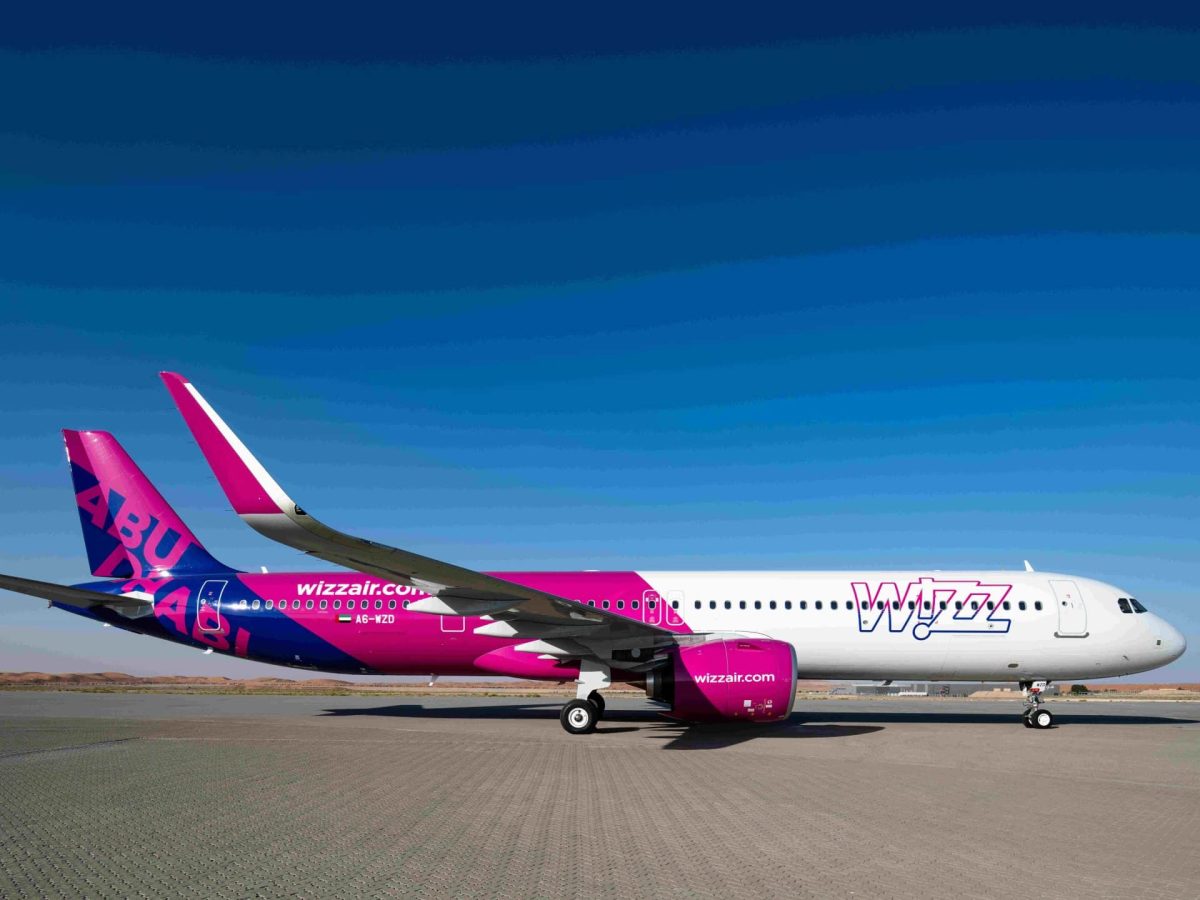
Wizz Air Holdings will suspend all Wizz Air Abu Dhabi operations from September 1, 2025 and exit the joint venture, as part of a strategic shift back to its core Central and Eastern European markets and selected Western European countries.
The decision follows a reassessment of the carrier’s network strategy in light of ongoing operational challenges and geopolitical developments in the Middle East. According to the company, key constraints have included engine performance issues in high-temperature environments, repeated airspace disruptions due to regional instability, and regulatory hurdles that limited market access.
These factors have affected the viability of Wizz Air’s low-cost model in the Gulf region and impaired its ability to generate returns comparable to its European network. The airline will now redeploy aircraft and resources to higher-growth, more profitable markets such as Austria, Italy, and the United Kingdom.
Passengers with bookings beyond August 31, 2025, will be contacted directly to arrange refunds or alternative travel. Bookings made via third-party platforms must be handled through the original provider. Other routes operated by the wider Wizz Air Group remain unaffected.
Wizz Air CEO József Váradi said the decision reflects changes in the operating environment, including supply chain constraints and weakening demand in the Middle East. He added that the company will focus on initiatives that strengthen its position in Europe and support long-term shareholder returns.
The exit from the joint venture comes as low-cost carriers globally reassess their exposure to politically volatile regions and narrow-body engine supply issues, particularly in hotter climates where performance degradation can be more severe. Wizz Air Abu Dhabi, which launched in early 2021, was initially positioned to serve underserved routes in the Gulf, CIS, and the Indian subcontinent.