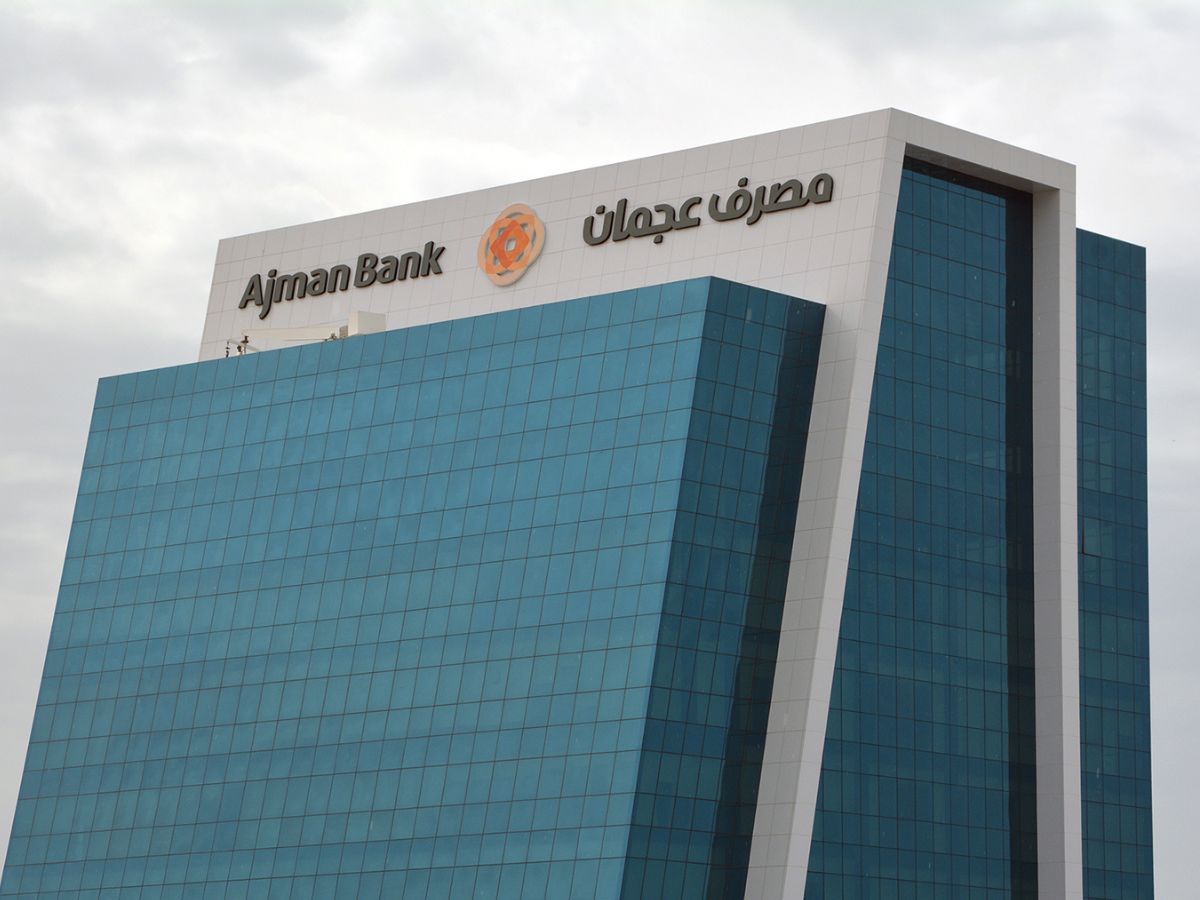
Ajman Bank announced a profit before tax of Dh440 million for the fiscal year 2024, marking a 213% increase compared to a net loss of Dh390 million in 2023. This performance was driven by a total operating income of Dh1.5 billion and a net operating income of Dh736 million. The bank’s Return on Shareholder Equity rose to 12.9%, and Return on Assets reached 1.8%. The Board of Directors has proposed a 7.25% dividend, pending shareholder approval at the upcoming General Assembly meeting.
The bank’s balance sheet reflects total assets of Dh23 billion, customer deposits of Dh19 billion, and equity amounting to Dh3.1 billion. Notably, the Non-Performing Loan (NPL) ratio improved from 13.8% to 9.9%, and the Expected Credit Loss (ECL) coverage ratio doubled from 1.0% to 2.1%. Additionally, the bank reduced its real estate concentration by 7.3%, diversifying its portfolio into various sectors.
HH Sheikh Ammar bin Humaid Al Nuaimi, Crown Prince of Ajman and Chairman of Ajman Bank, stated, “These record-breaking financial results are a testament to the strength of Ajman Bank’s strategic vision and its commitment to delivering sustainable value for its shareholders.”
CEO Mustafa Al Khalfawi added, “Our robust performance in 2024 reflects the success of our transformation strategy, driven by speed, service, and specialisation, along with our unwavering commitment to innovation and customer-centric solutions.”
The bank’s Capital Adequacy Ratio increased to 19.1%, and the Tier 1 Capital Ratio rose to 18.0%, both exceeding regulatory requirements. The Advance to Stable Resources Ratio stood at 76.3%, and the Eligible Liquid Asset Ratio was 17.1%, indicating solid liquidity. Despite ongoing transformation activities and technology investments initiated in 2024, Ajman Bank managed to decrease its general and administrative expenses by 5% compared to the previous year.