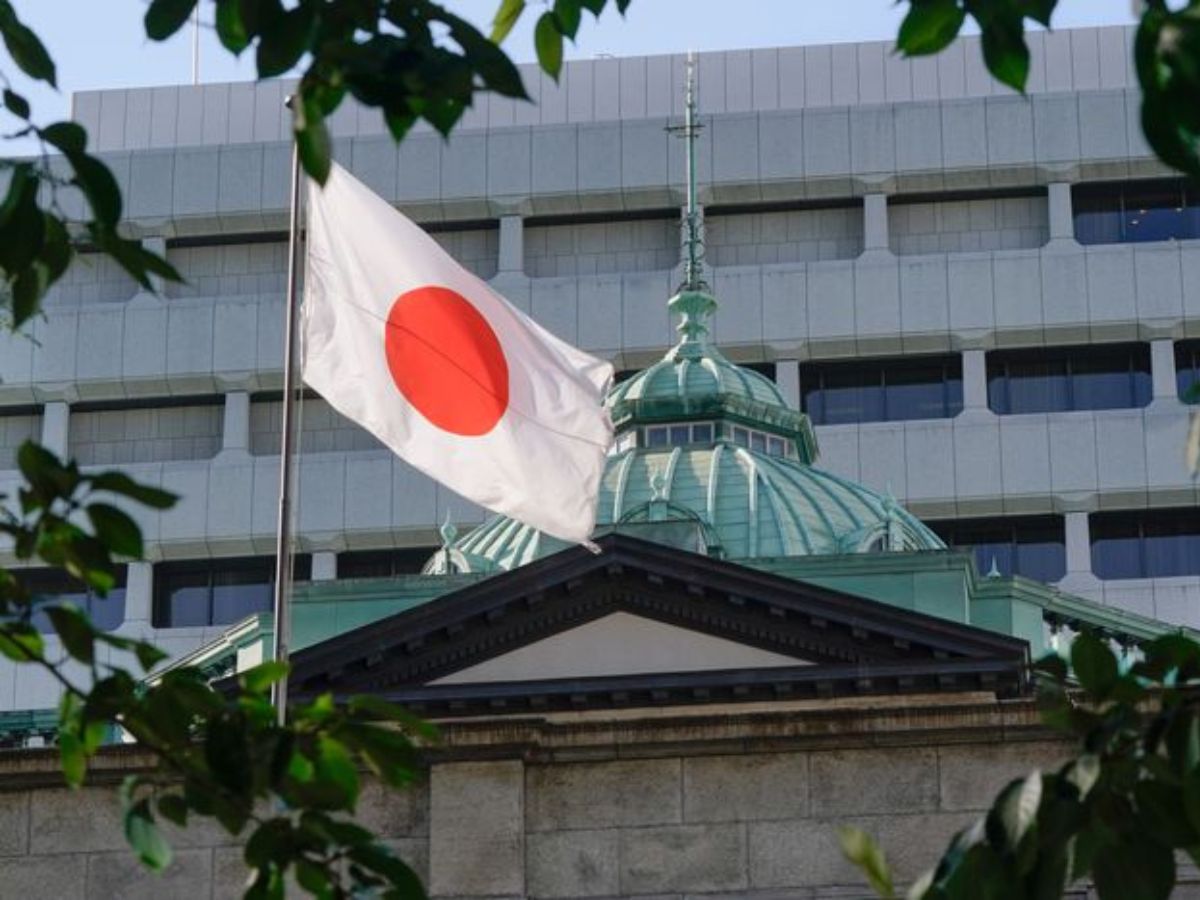
The Bank of Japan (BOJ) is expected to increase its benchmark interest rate from 0.25% to 0.5% on Friday, marking the highest level since the 2008 global financial crisis.
This potential rate hike aligns with the BOJ’s strategy to gradually normalise monetary policy, aiming for an interest rate that neither stimulates nor restrains economic growth. The decision is influenced by sustained wage increases and the objective to achieve the bank’s 2% inflation target, Reuters reported.
BOJ Governor Kazuo Ueda has indicated that the bank will consider raising rates if economic and price conditions improve.
However, the BOJ remains cautious due to potential global market volatility, particularly in light of US President-elect Donald Trump’s inauguration and the uncertainty surrounding his forthcoming economic policies.
Historically, the BOJ reduced interest rates from 0.5% to 0.3% in October 2008 and further to 0.1% in December 2008 as a response to the global financial crisis. Since then, the bank has maintained near-zero borrowing costs through various unconventional measures.
The upcoming decision will be closely monitored, which signifies a pivotal move in Japan’s monetary policy trajectory.