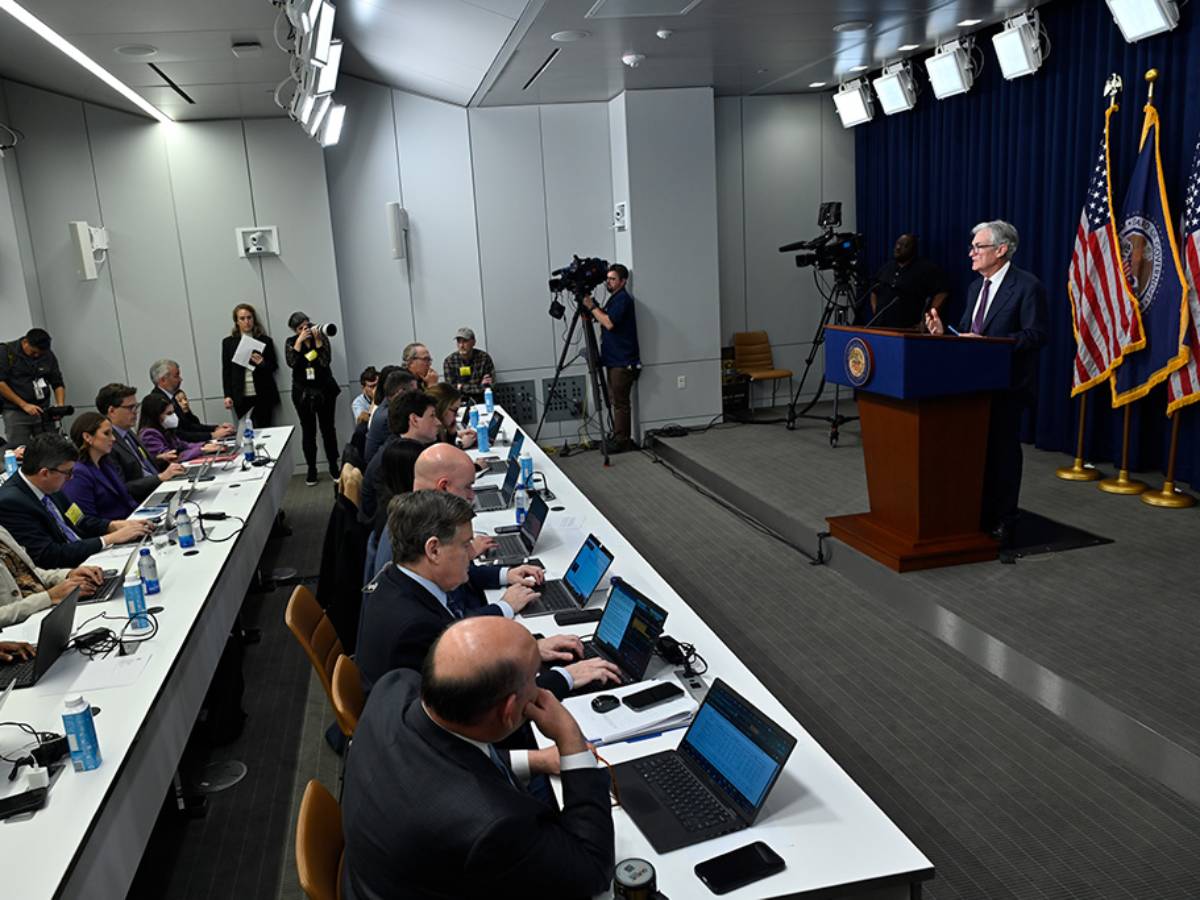
The US Federal Reserve reduced its benchmark interest rate by 25 basis points on Wednesday, marking its third consecutive rate cut since the onset of its easing cycle in September. The decision lowers the federal funds rate to a range of 4.25% to 4.50% but signals caution regarding further reductions, citing slower progress in bringing inflation back to its 2% target.
Fed Chair Jerome Powell highlighted ongoing concerns about persistent inflation, particularly in housing costs, and noted that the central bank would proceed cautiously with future rate cuts. Policymakers now project just two additional quarter-point rate cuts through the end of 2025, a reduction from previous forecasts of four cuts made in September.
Powell emphasised that further adjustments to rates would depend on incoming data and evolving economic conditions. The central bank expects core inflation, measured by the Personal Consumption Expenditures price index excluding food and energy, to remain at 2.5% in 2025, higher than the Fed’s 2% target.
Cleveland Fed President Beth Hammack dissented, preferring to hold rates steady. Despite the cut, Powell characterised the decision as a “closer call” than markets had anticipated, suggesting a pause in rate cuts could occur in early 2024, Reuters reported Thursday.
The Federal Reserve’s projections reflect growing uncertainty over economic policies anticipated under the upcoming Trump administration, including higher tariffs and tax cuts, which may contribute to inflationary pressures.
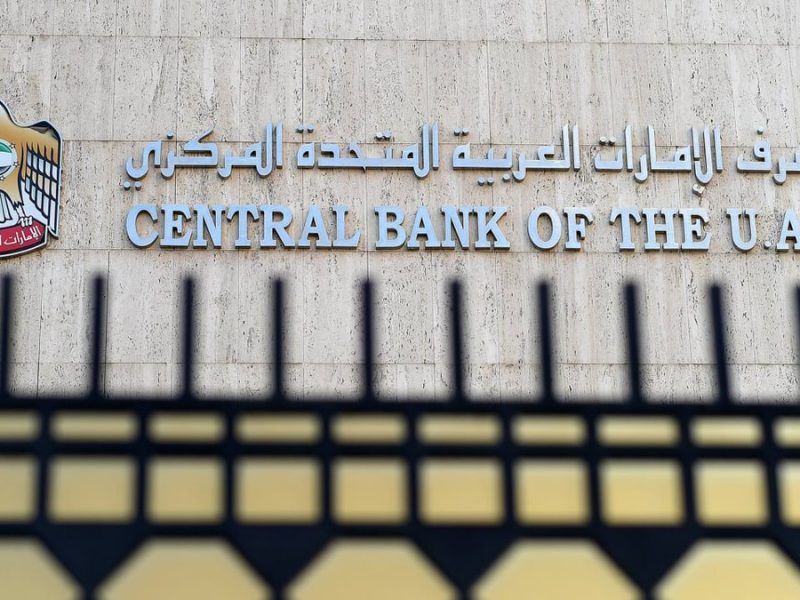
Following the Fed’s announcement, the Central Bank of the UAE (CBUAE) also reduced its Overnight Deposit Facility (ODF) base rate by 25 basis points, lowering it from 4.65% to 4.40%. The move aligns with the Fed’s rate cut, as the CBUAE’s base rate is anchored to the US central bank’s Interest Rate on Reserve Balances (IORB).
Inflation remains a central challenge for the Federal Reserve. Despite progress in reducing inflation from its peak in 2022, the preferred measure of inflation has recently ticked higher, complicating the central bank’s easing cycle. The Fed’s projections anticipate inflation not returning to the 2% target until 2027.
With slower progress on inflation and reduced rate cut projections, the Federal Reserve expects its benchmark rate to end at 3.1% by 2027, slightly higher than the 2.9% terminal rate projected earlier.
The Fed’s cautious stance comes as economic growth and low unemployment fuel debates about whether monetary policy remains as restrictive as previously estimated.