Kuwait’s banking sector is positioned for growth in 2025, buoyed by a projected economic rebound and easing interest rates. However, high exposure to the real estate sector and potential geopolitical shocks remain critical risks. According to S&P Global’s latest report, the sector’s recovery will be underpinned by government reforms and an increase in domestic lending, though external factors could shape performance.
Kuwait’s GDP is expected to grow by 3% in 2025, reversing the 2.3% contraction experienced in 2024 due to OPEC+ production cuts. This rebound will likely spur credit demand, particularly in industries benefiting from state-led development initiatives. Political changes in recent years have accelerated reforms, with renewed investment in infrastructure expected to contribute to stronger private-sector growth.
Lending growth
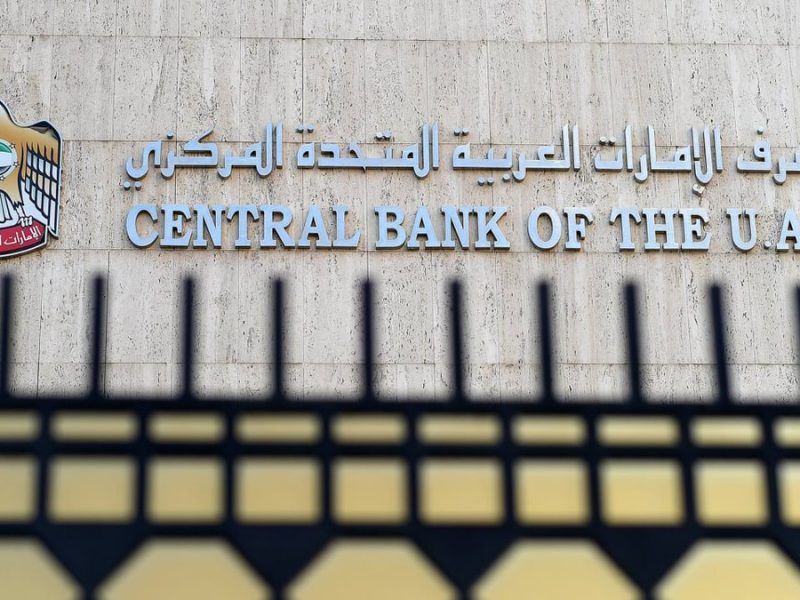
The report highlights that lower interest rates are expected to drive credit growth across the banking sector. The Central Bank of Kuwait has progressively reduced its policy rate, aligning with global trends as central banks balance inflation and growth objectives. Despite narrower net interest margins, Kuwaiti banks are expected to benefit from increased lending volumes. Corporate borrowers are anticipated to take advantage of reduced financing costs, supporting credit expansion.
Real estate risks remain a concern
A significant portion of the Kuwaiti banking sector’s loan portfolios is tied to real estate, raising concerns about potential market fluctuations and oversupply. While the sector has shown resilience, any downturn in property prices could increase nonperforming loans (NPLs). However, S&P Global notes that strong provisioning buffers and the ability to write off legacy loans have strengthened banks’ balance sheets, keeping NPL levels near cyclical lows.
Profitability under pressure
Although profitability surged during recent monetary tightening, it is expected to decline as interest rates fall in 2025. S&P Global’s report projects that net interest margins will contract, though this could be partially offset by increased lending and a shift in deposit behaviour. Many customers are expected to move their funds from interest-bearing accounts to non-remunerated accounts as rates drop, helping to cushion profitability.
Capital strength and liquidity
According to the report, Kuwaiti banks maintain robust capital buffers, retaining over 50% of earnings to support capitalization. By late 2024, Additional Tier 1 capital accounted for 10.8% of total adjusted capital, indicating a modest reliance on hybrid instruments. Lower rates allow banks to refinance hybrid debt at lower costs, strengthening their overall capital efficiency.
The sector’s funding structure remains stable, driven by private-sector deposits from corporations and households. Although government and public-sector deposits have exhibited some volatility, the report underscores that systemic support for major banks remains likely during periods of stress, given their central role in financing the economy.
The country’s banking sector holds a strong net external asset position, which reached 30.6% of systemwide domestic loans by the end of 2024. This position is expected to provide resilience against potential capital outflows caused by geopolitical shocks.
S&P Global’s report also highlights ongoing sector consolidation. Mergers and acquisitions have become a strategic priority as banks seek to diversify their income streams and expand market share amid limited organic growth opportunities. The potential merger between Boubyan Bank and Gulf Bank could create Kuwait’s third-largest bank, with over $50 billion in assets, following similar moves by Kuwait Finance House and Burgan Bank in previous years.
Outlook for 2025
The report maintains a stable outlook for Kuwaiti banks heading into 2025, citing improved asset quality, lending growth, and solid capital levels. However, downside risks remain related to oil price fluctuations and regional geopolitical tensions. Diversification efforts, digital transformation, and continued investment in customer-centric services will be essential to sustaining growth.