Currently, only 8% of chief executives globally are women and just 3% work in financial services, an industry described by the International Monetary Fund as one of the “toughest conditions for aspiring female leaders”. This gap results from historical gender biases and entrenched stereotypes. However, every day, women are challenging expectations and shattering the glass ceiling.
The Middle East is also on the journey towards achieving equality in the workplace. In the UAE, Bahrain, Kuwait and Qatar, women make up around 50% of the labour force, although the number lowers to around 40% when looking at the GCC. Times are changing. The region and the global economy are becoming aware of the cost of excluding women from the job market—a loss of around $20 trillion per year to a country’s GDP, as per Bloomberg and PwC.
Diversity is valuable. A 2021 BCG study found that diverse businesses generated 19% more revenue from innovation and recorded 9% higher EBIT (earnings before interest and taxes) margins than less diverse companies. But women are more than numbers. Behind every statistic, there are people pushing industry boundaries and driving change. We set out to meet them.
Women at the top
The finance sector in the UAE is increasingly led by women. Many of the country’s largest banks have female chief executives, including Standard Chartered, First Abu Dhabi Bank, Citibank and Barclays Private Bank; and large companies in the sector such as Visa and Mastercard have women in leadership roles. In an industry so heavily dominated by men, Finance Middle East spoke to the women challenging the statistics to talk about their experiences and goals for the sector.
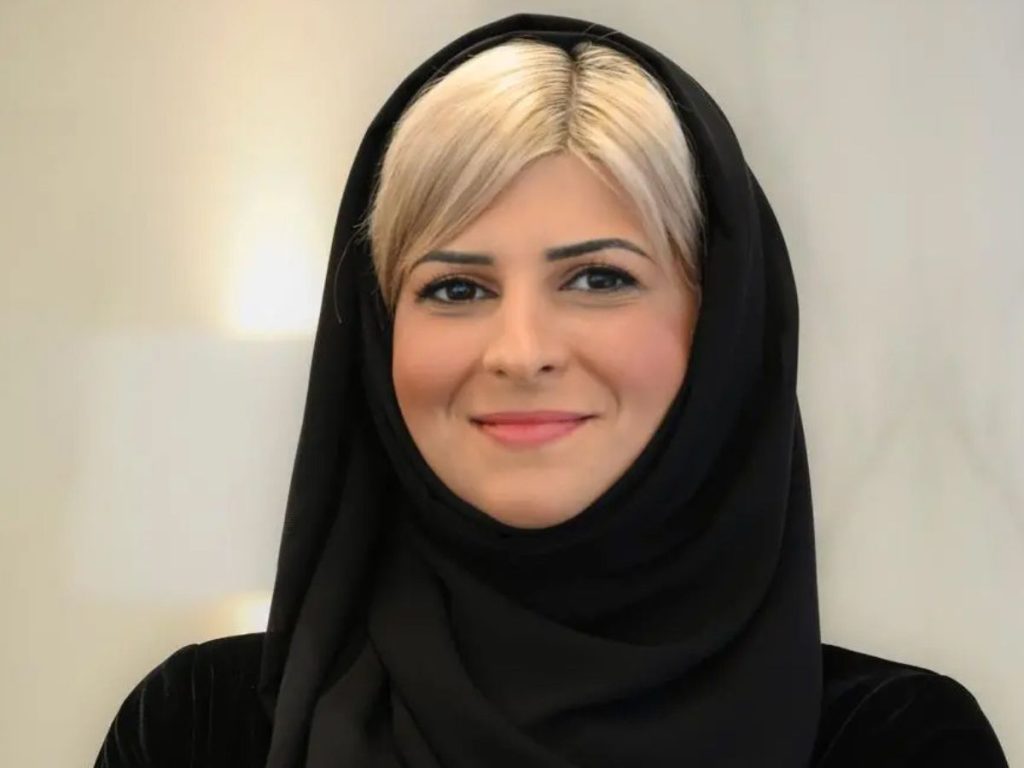
“I love to work with people and clients, so I was always interested in corporate banking,” said Shamsa Al Falasi, CEO of Citibank UAE Onshore. “I have worked in multinationals across the Gulf countries, as well as Iraq and the UAE, so it has been a very interesting journey. In December 2023, the new job came up and I applied for it.”
Al Falasi took the helm of Citibank N.A. UAE Onshore Branch after working in the bank for over 20 years. In doing so, she became the first Emirati woman to lead Citi’s UAE onshore businesses and operations. During her career, she led several initiatives to support her female colleagues and aims to continue doing so as head of the business.
“I would like to leverage the role that I’m in to set an example for people that it is possible to be wherever you want, and do whatever you want, as long as you work towards it,” she added.
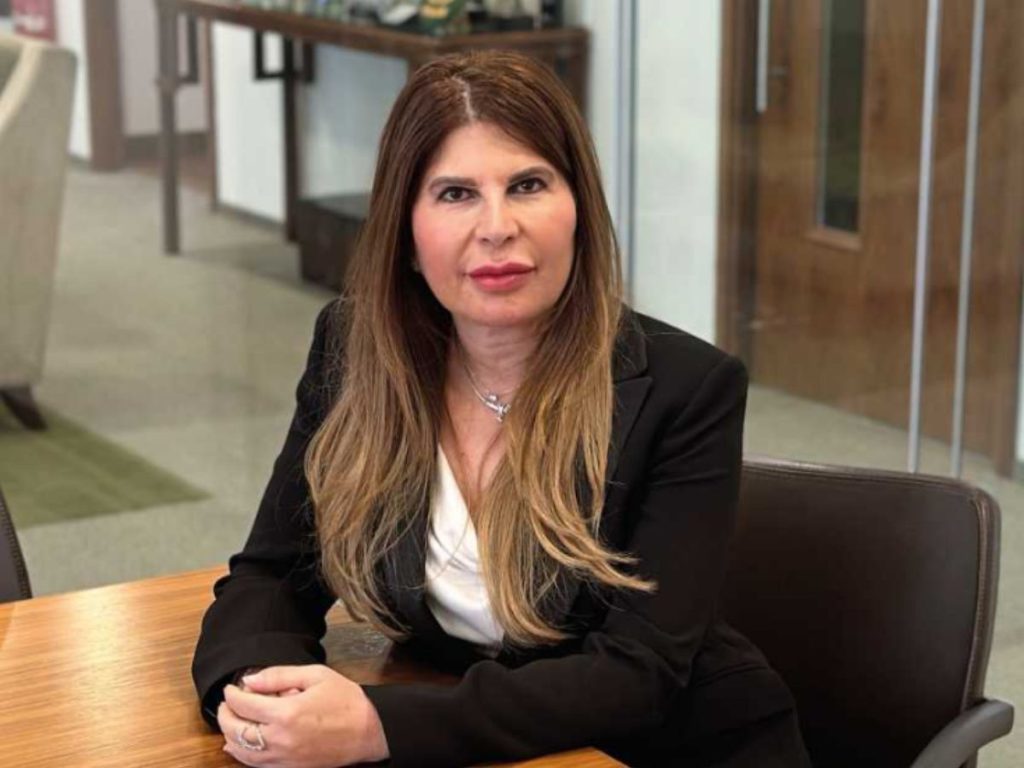
Twenty years ago, it may have been unthinkable to have as many women leading top financial institutions as there are today. As Rasha Badawi, CEO of Barclays Private Bank UAE, points out, the environment has changed to become “more inclusive than ever before”.
“Women’s roles within communities and societies have fundamentally changed and female empowerment has made major inroads into seeing a more gender-balanced workplace,” she added.
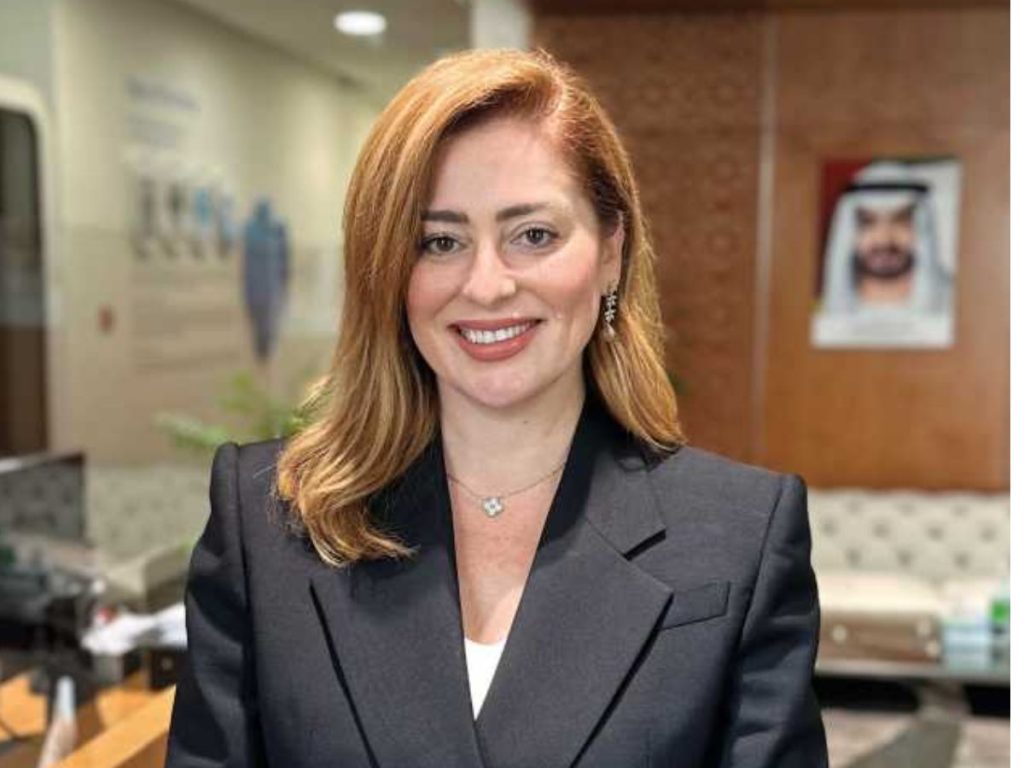
However, the way to the top can be a bumpy road. As the first Emirati woman to head a bank in the country in 2018, Rola Abu Manneh’s path to becoming CEO of Standard Chartered Bank UAE included overcoming encounters with the unconscious biases present in the sector.
“Women, despite possessing exceptional skills and potential, often face hurdles rooted in gender biases within corporate cultures,” she said. “Although the journey involved uncertainty, overcoming these challenges was an exciting and fulfilling experience.”
The call of finance
Why aren’t there more women in the world of finance? The fast-paced and high-stress nature of the industry, alongside long working hours and a perceived lack of flexibility are some of the issues that keep many women away from even considering pursuing this career path—and can lead hiring managers to hesitate before selecting a woman for a leadership role.
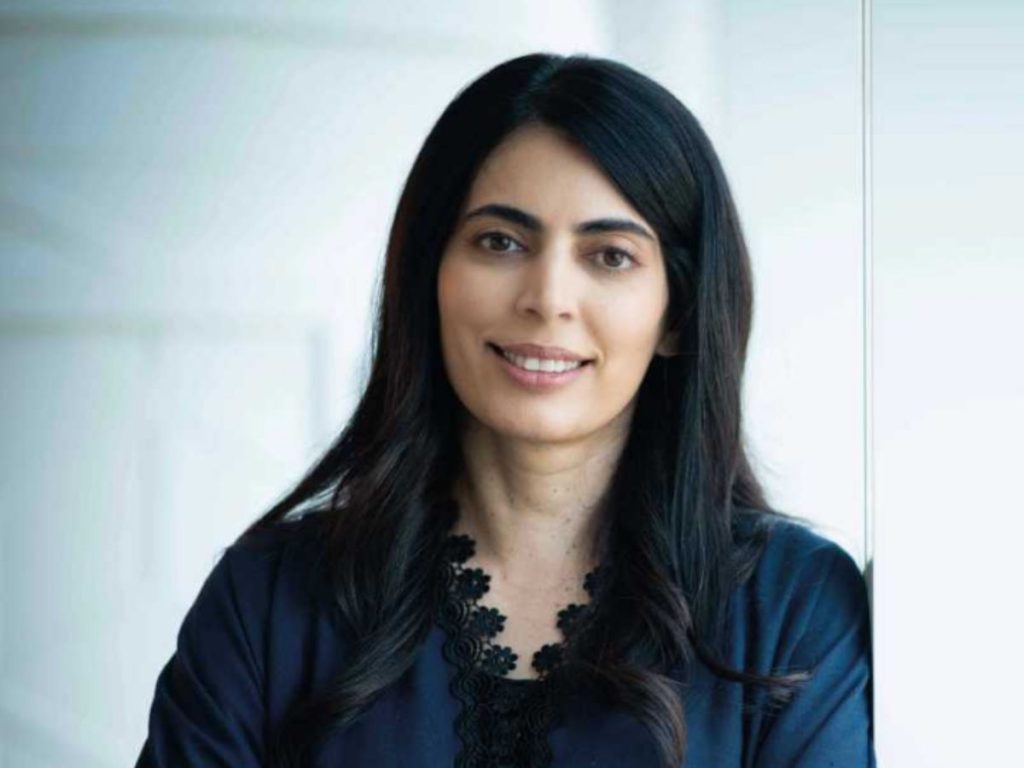
“When it comes to leadership, the general consensus is to hire someone assertive, with a vision, who does not shy away from making hard decisions,” Dr Saeeda Jaffar, Senior Vice President and Group Country Manager GCC at Visa, explained. “Typically, the role would be awarded to a man more often than a woman.”
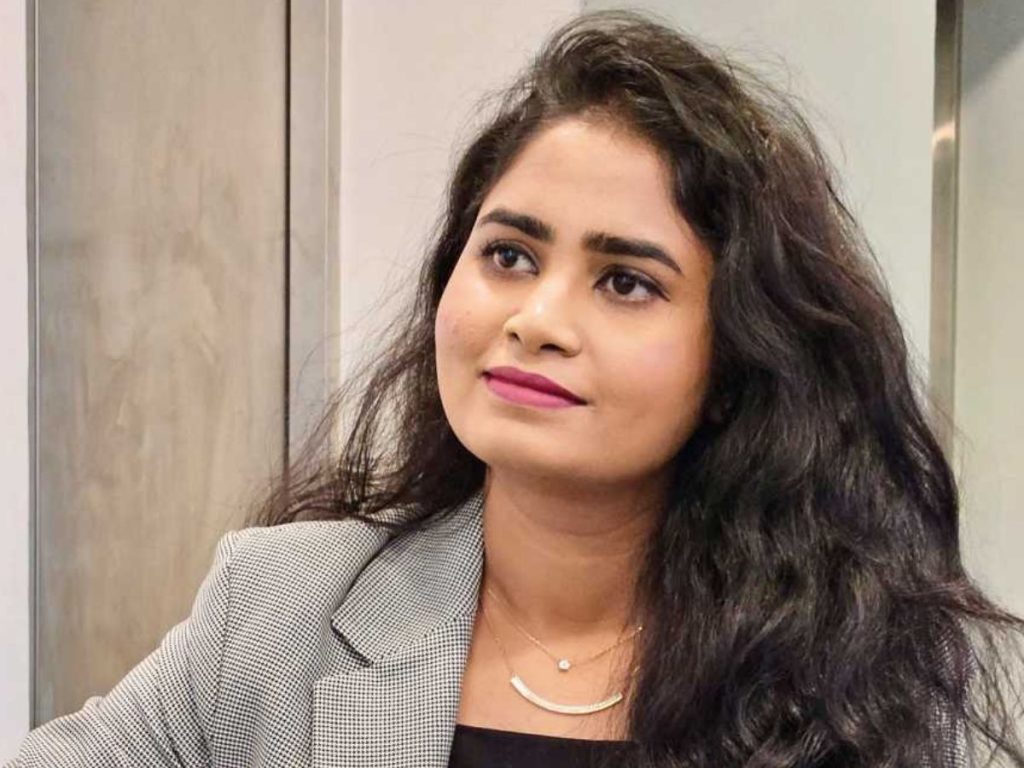
Priyanka Sengar, founder and CEO of Women First Jobs, also faced these obstacles. The constant doubting of her skills and her struggles to find a place in the industry led her to launch the UAE’s first women-only job portal to promote gender equality in male-dominated industries, including finance.
“I often found myself confronted with questions about balancing family and work responsibilities,” she said. “Reflecting on the time when I would be denied projects because it was assumed my male colleagues could handle them better, I felt a deep sense of inadequacy.”
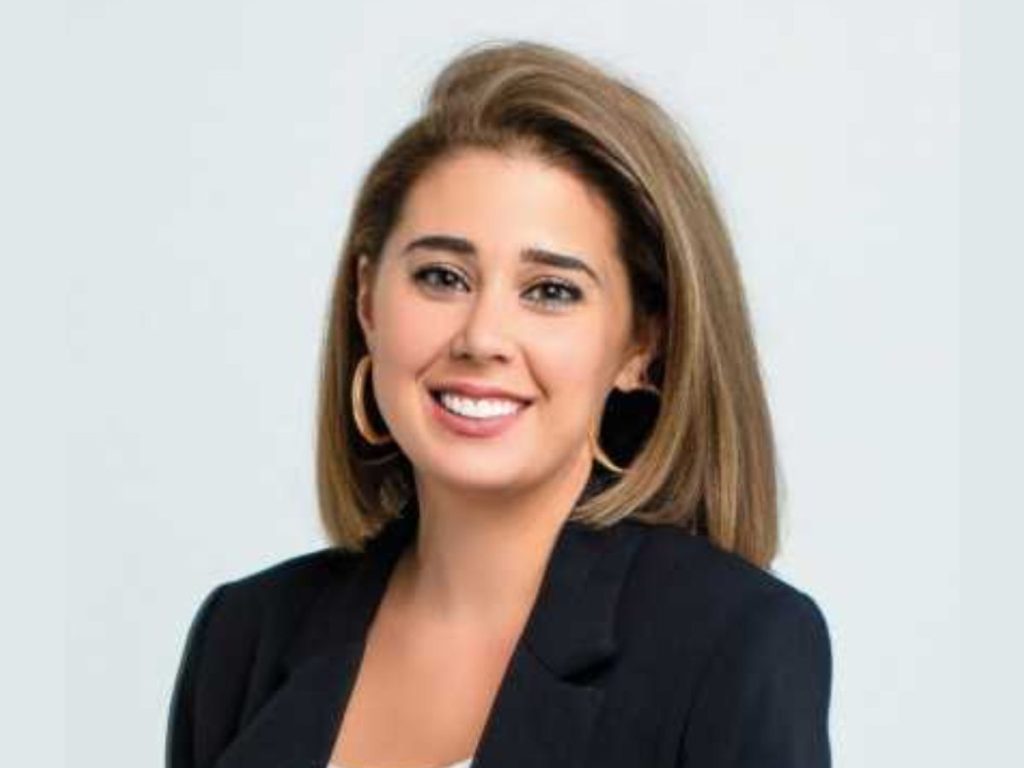
Women in the sector also face challenges that companies cannot solve. Najla Al Essa, Gulf Bank’s Deputy General Manager Marketing is proud of the bank’s support for its female employees but admits that there are certain obstacles that all women will irrevocably face.
“My daughter’s recent graduation, a moment of great pride and joy, was also tinged with a little sadness as I reflected on the time spent at work instead of with her,” she said. “But I recognise we cannot have it all. We must pursue unapologetically what gives us great joy and fulfilment–whether that is as CEO of your organisation or CEO of your home and family.”
Seeing the shift
It’s not enough to get women into finance. To reach the top, they need to be willing to stay.
Financial institutions are slowly but increasingly recognising the value of diverse perspectives and adjusting their policies to reflect it. Initiatives promoting diversity and inclusion, flexible working hours, pay equity, mentorship, paternity leave and targeted efforts to foster equal opportunities are gradually reshaping the landscape, signalling a positive change.
“Over the past decade, there has been a shift to diversify, understanding that diverse set of teams usually produce longer term and more sustainable results,” Al Falasi said.
Finali Fernando, Managing Director, Regional Head of Products, Business Management and Risk at HSBC, explains how, when she became a mother, the policies to support working mothers were “inadequate”, offering little flexibility, medical coverage and paid leave. Twenty years later, the tides have changed.
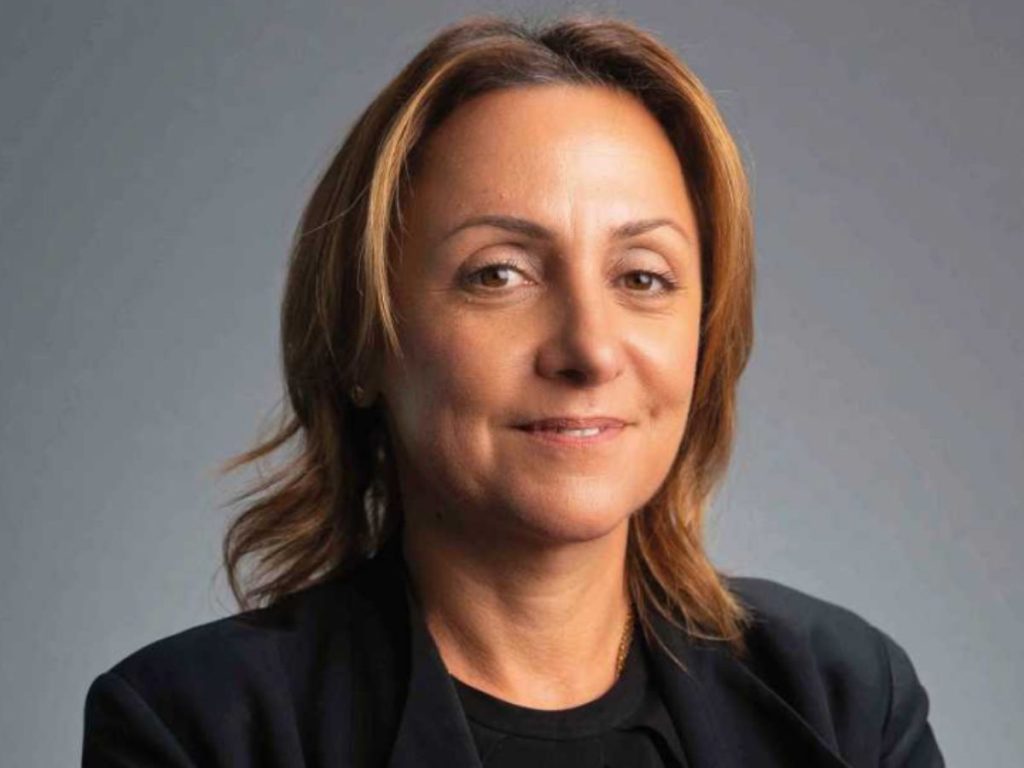
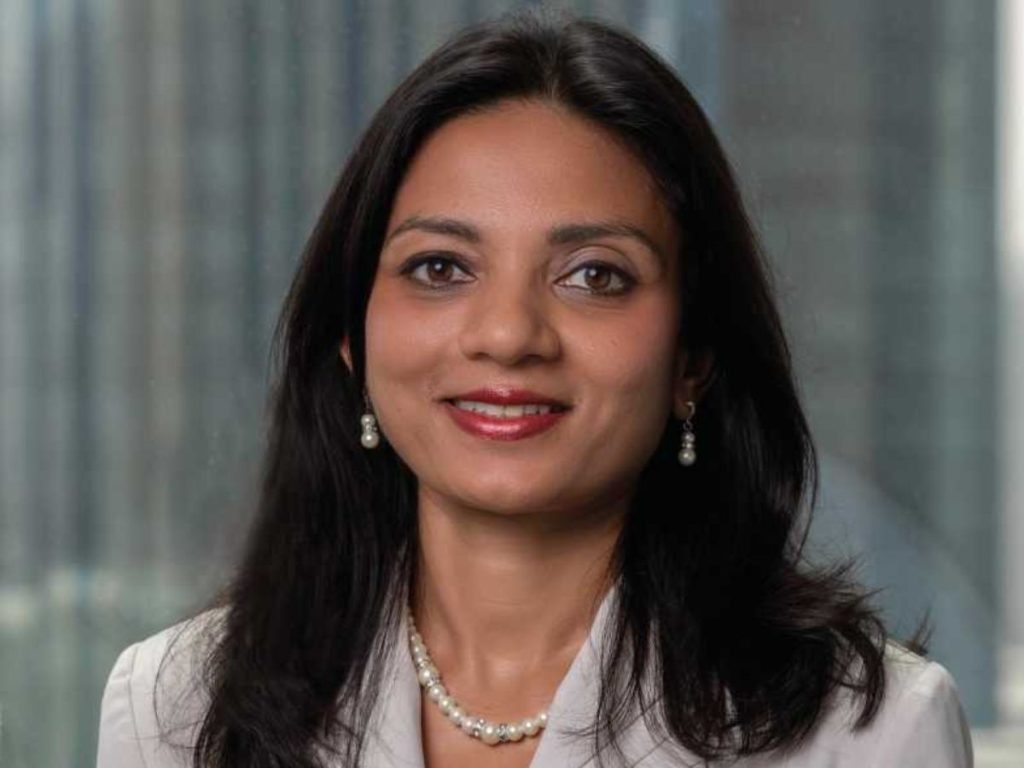
“I see a definite understanding that urgent and critical measures need to be taken to improve diversity and that needs to happen through a systemic and sustainable approach,” Fernando said. “What organisations need to get better at doing is building a pipeline of talent at every level to ensure there is sufficient availability for succession planning for C-suite roles.”
These policies have already been implemented in the represented companies and the results are noticeable. Citibank is close to having 40% of its workforce be female, while 47.9% of Visa’s employees in the North Africa, Levant and Pakistan region are women. These initiatives have also helped Kuwait’s Gulf Bank increase the percentage of women in leadership roles from 10% to 30% in 10 years’ time.
Leila Serhan, Visa’s Senior Vice President and Group Country Manager for North Africa, Levant, and Pakistan, added that the key lies in “recognising the importance of supportive leadership”.
“I, as a mother myself, understand the significance of creating an atmosphere where employees are heard and supported,” she said. “As leaders, it is also our responsibility to ensure that our teams feel valued and empowered to reach their full potential.”
Al Essa agreed: “This isn’t just a numbers game; it’s a missed opportunity for economic prosperity and innovation. Companies with gender diversity enjoy higher profits and greater productivity. It’s not just about fairness, it’s about unleashing the full potential of the female workforce and creating a brighter, more prosperous future.”
The change underway
Women are full of talent and the finance sector has taken notice. The Middle East and the wider world have woken up to the need to introduce policies that allow companies to leverage this potential to drive innovation, equality and sustained success.
“Behind every statistic lies a woman with talent, ambition, and the right to contribute,” Al Essa said.

Badawi agreed, adding that the region has a chance to lead the way when it comes to female representation. “In the Middle East, where many women are very well-educated, there is significant potential for them to thrive in the financial sector,” she said.
In the meantime, how can women succeed in the industry? Al Falasi advised women to “be more confident and trust in themselves” and Serhan recommended finding a “mentor who resonates with their values”. Further, Jaffar underscored the need to “prioritise your passion” and “find your tribe”, while Fernando discussed the significance of “upskilling”, particularly during the early work years. Finally, Abu Manneh said women in the sector should learn to “advocate for themselves”, stressing the importance of creating lasting impact “not only for yourself but for the entire workforce.”
While financial institutions continue working to attract and support female talent, the CEOs interviewed highlighted having a clear goal and a belief in oneself as fundamental to achieving what some people might describe as impossible. Doors will open, but someone must be the first to knock.