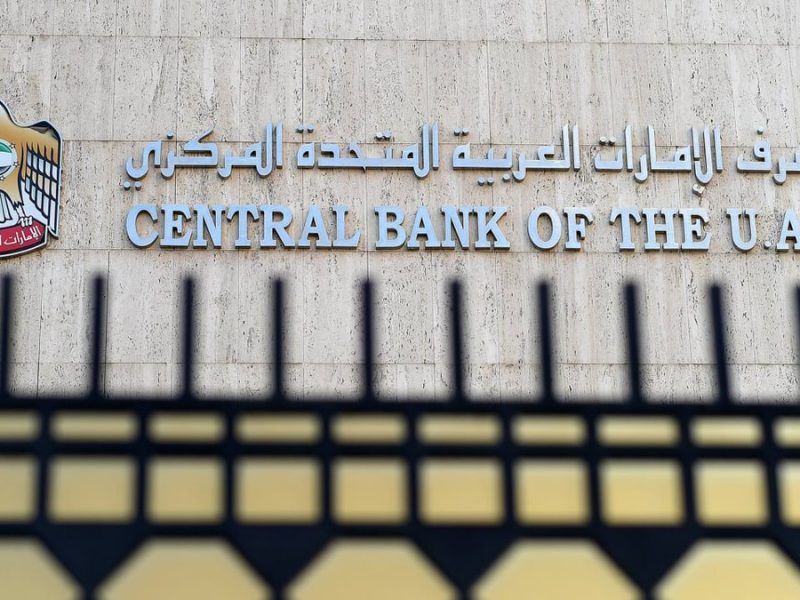
The Central Bank of the UAE has released a comprehensive update on its Digital Dirham project as it prepares for the national rollout of a central bank digital currency (CBDC).
The report outlines the technical design, policy framework and regulatory considerations guiding the development of the Digital Dirham. It also provides updates on the project’s pilot phases, including a cross-border application and a retail trial using real-value transactions. These pilots were conducted to test the infrastructure, design features and operational readiness of the CBDC platform.
According to the Central Bank, the Digital Dirham will serve as a digital alternative to physical cash. It will be available for use in peer-to-peer payments, online purchases, and in-store transactions. The system supports offline use, smart contracts, and cross-border settlement, and is designed to serve residents, non-residents and unbanked populations.
The platform includes a digital wallet interface for individuals and businesses. It is integrated into the wider Financial Infrastructure Transformation (FIT) programme, launched by the UAE in 2023 to support the digital economy.
Governor Khaled Mohamed Balama said, “The Digital Dirham represents one of the CBUAE’s key strategic initiatives shaping the future of financial services in the UAE.” He added that it “will help ensure a secure and efficient financial infrastructure for the UAE, enhance the efficiency of our payment ecosystem, support monetary stability, expand financial inclusion, and strengthen the international standing of the UAE Dirham.”
The central bank confirmed that it would continue to evaluate the Digital Dirham’s technical design and policy structure in collaboration with international standards set by the International Monetary Fund and the Bank for International Settlements.
The UAE joins a growing number of jurisdictions developing sovereign digital currencies to enhance payment efficiency, reduce reliance on physical cash, and improve cross-border financial flows. Central banks in China, Sweden, and the eurozone are also in various stages of digital currency development.