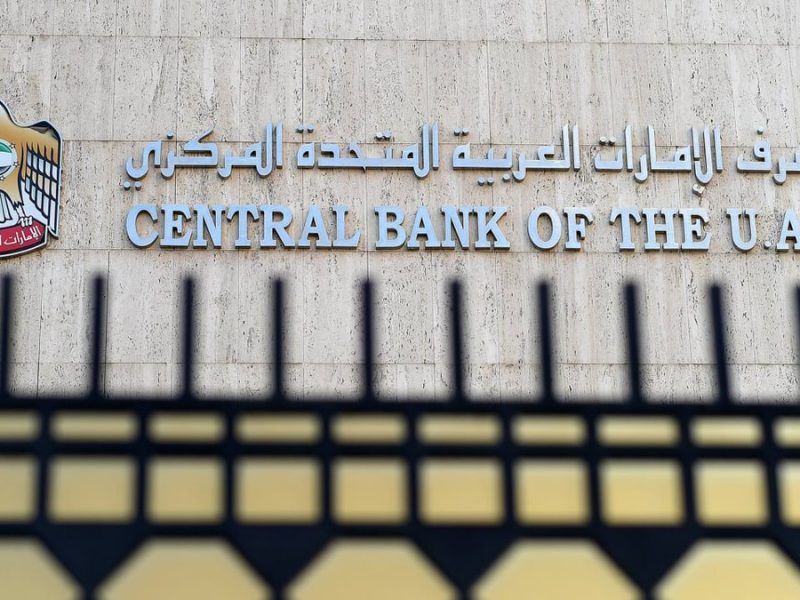


For the UAE’s crypto community, 2024 was a watershed year. In February, on the occasion of the UAE Central Bank’s 50th anniversary, the nation’s first central bank digital currency (CBDC) transaction was completed using the mBridge platform. In October, the central bank gave in-principle approval for the issuance of AE Coin, likely the first regulated dirham-pegged stablecoin in the Emirates.
Cryptocurrency is taking its place as a mainstream asset class, with a surge in institutional interest globally, fuelled by Bitcoin ETFs and major asset managers entering the space. As such, the relationship of traditional finance institutions (TradFi) with crypto is evolving rapidly, exemplified by use cases such as tokenising real-world assets like bonds and real estate.
In the UAE, TradFi is poised to play a pivotal role as convergence with crypto evolves. However, for this to hold, they must navigate a crypto maturity journey marked by milestones of both challenge and opportunity. With its establishment of a dedicated Digital Asset Lab, forward-focused banks like Emirates NBD are setting the pace. As others follow suit, they will need to progress 5 levels of the crypto maturity model to stay ahead in this new financial paradigm.
Level 0: Education, strategy and planning
Identify your stakeholders and appoint a leader who will champion crypto. This does not need to be a crypto expert. As a start, it must be someone with the passion and commitment to gather and inspire those working directly with crypto or crypto businesses. This could be investment bankers, commercial bankers, traders, corporate lenders, and wealth managers. The crypto-champion will assemble risk-management professionals such as Know Your Customer (KYC) and anti-fraud specialists.
The crypto team will compose a roadmap consistent with the business’s risk appetite. Having identified skills gaps — such as knowledge of blockchain analytics or crypto-compliance tools — they can institute the appropriate training for stakeholders or plan to engage with external experts. Training can be supplemented by consulting the many resources available on the crypto landscape.
Level 1: Open for business
At Level 1, financial institutions move beyond internal education and planning to actively engage with crypto businesses. With a defined risk appetite and compliance in mind, the institution can start thinking about monetisation, which means identifying customers. Retail banks will allow customers to transact with cryptocurrency businesses that align with the banks’ risk profile. The key enabler here is on-chain risk assessment, which will allow a financial institution to properly assess the risks associated with individual crypto businesses and grow its exposure to the sector in a safe and regulated way.
With the right technology, traditional banks can even take on cryptocurrency businesses as clients and allow retail customers to link their accounts to external cryptocurrency exchanges. This will reduce the friction between crypto and TradFi and make it easier for users to manage their crypto holdings alongside their traditional assets.
Level 2: Synthetic cryptocurrency products
Level 1 crypto banks are now comfortable moving into crypto spaces. That understanding will give them the confidence to engage with retail and institutional customers to help them get exposure to cryptocurrency markets. This does not mean that a Level 2 bank will accept cryptocurrency deposits, but it can go as far as offering synthetic crypto products. These would be largely cryptocurrency-based investments that allow customers to capture some crypto upsides without full exposure to the ecosystem. An example is last year’s emergence of Bitcoin ETPs (exchange-traded products). Ethereum ETPs have also gained some acceptance. Since Ethereum and smart contracts play crucial roles in decentralised finance (DeFi), these ether-based ETPs offer the chance to invest in crypto’s broader adoption and ecosystem growth.
Level 3: Enable crypto deposits
Level 3 banks finally take the crypto plunge. They give customers direct access to cryptocurrency markets and accept deposits of crypto assets. In 2024, we saw some institutions worldwide progress to Level 3, and as retail and institutional demand grows in 2025, particularly in the UAE, more TradFi players are expected to follow suit. The country’s TradFi organisations can make this move by partnering with crypto-native startups in outsourcing ventures. The startup would shoulder the technical complexities of holding digital assets, allowing the bank to offer customers full digital assets custody solutions. The younger company would provide a reliable and secure path to market to mitigate the risk of exposure for the bank.

Level 4: Beyond deposits: Complex products, DeFi, and more
At present, Level 4 is sparsely populated. However, some institutions around the world have gone beyond accepting deposits and expanded their custody services to allow, say, institutional clients to use crypto assets as collateral in DeFi-based loans, such as Fidelity did last year with Bitcoin. Traditional operators can partner with DeFi-native companies to share in the exciting developments in that arena. We can also expect the growing acceptance of crypto in the global payments industry. Visa is currently leading in this space, recently expanding its stablecoin settlement capabilities to allow USDC transactions with merchant acquirers.
A marathon, not a sprint
UAE TradFi institutions have a host of lucrative opportunities ahead of them in the crypto space. In 2025, we expect to see a lot more BFSI businesses — leaders and startups — join the steady trek to a more crypto-enabled finance sector. Banks now have evidence from studies and POCs to gauge the potential value of crypto offerings. Since their customers are calling for such offerings, it is imperative that they respond soon.
The Crypto Maturity Journey takes the sting out of the transition and allows TradFi players to control risk and see the value of each step before taking the next one. With the right tools, banks can put blockchain-based transactional data in dialogue with their records, observe the results, make the right decisions, and win the day.