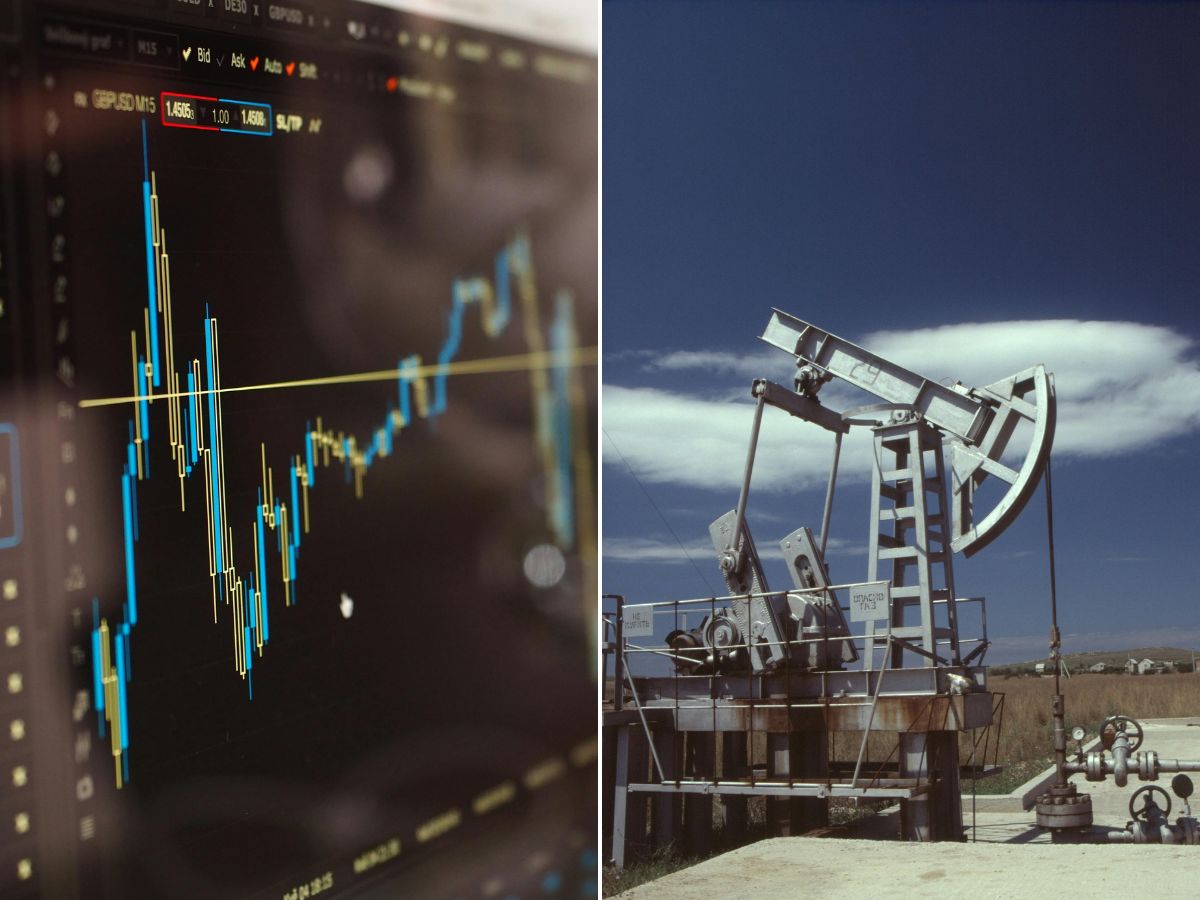
Oil has long been viewed as both an opportunity and a risk. It responds quickly to geopolitical shocks, inflation trends, and OPEC supply decisions, which makes it attractive to traders but daunting for newcomers. Despite the global shift toward renewable energy, demand for crude oil is expected to remain above 90 million barrels per day for decades, according to the International Energy Agency.
For beginners, the challenge lies in gaining exposure without being overrun by volatility. “Oil still has a role in diversified portfolios, but beginners need to be careful about how they approach it,” said Maria Agustina Patti, financial markets strategist and consultant to Exness.
Investing in oil
The most practical first step is to invest in exchange-traded funds or shares of energy companies. ETFs track crude benchmarks like Brent and West Texas Intermediate (WTI), while equities provide exposure through corporate earnings.
Patti noted that ETFs or energy stocks offer accessibility without the complexity of specialist accounts. “Oil ETFs or energy equities are far more accessible than trading futures,” she said.

By contrast, futures demand several thousand dollars per contract, high margin deposits, and carry the risk of sharp, leveraged losses. For most beginners, that makes them an unsuitable starting point.
How much capital is needed?
The entry point depends on the product. ETFs and equities can be bought with relatively small amounts, and many brokers allow fractional share purchases. CFDs on oil can also provide exposure for smaller accounts, though they require careful risk management.
“Crude oil futures demand several thousand dollars per contract plus additional margin to absorb price swings, well beyond what many novices should risk,” Patti said. For beginners, she recommends modest allocations that can be scaled up over time.
Managing oil’s volatility
Crude markets are notoriously headline-driven, with prices fluctuating in response to OPEC meetings, US inventory data, or geopolitical shocks in key producing regions. For new investors, this volatility can lead to emotional trading and potentially result in quick losses.

The safer approach is to treat oil as a satellite holding. “Oil exposure should be just one component of a broader portfolio, rather than a concentrated bet,” Patti said. Tools such as stop-loss orders and position sizing can help limit downside risks.
She added that beginners should rely on structured data, such as reports from the US Energy Information Administration, instead of reacting to every market headline.
Energy transition
The rise of clean energy has changed the investment case for crude, but not eliminated it. Oil remains central to transport, shipping, and heavy industry, providing cyclical opportunities even as long-term demand growth slows.
“Oil should not be seen as a permanent growth play, but it still offers cyclical opportunities and can serve as a hedge against inflation or currency weakness,” Patti said. For longer-term investors, energy equities may be a more sustainable way to gain exposure, thanks to dividends and potential capital gains.
Benchmarks that matter
For beginners, understanding benchmarks is essential. WTI reflects US supply and demand dynamics, particularly storage capacity, while Brent captures broader global market conditions, including OPEC decisions and other factors.
“The two key benchmarks are West Texas Intermediate and Brent,” Patti explained. “Monitoring both provides a fuller view, and investors should check which one underpins their chosen instrument.”
Common mistakes to avoid
Leverage remains the biggest danger. A small price move in futures can wipe out an account, and beginners often underestimate this risk. FOMO is another pitfall: chasing rallies or overtrading after short-term wins often leads to losses.
“FOMO-driven speculation is common when crude surges, but reversals can be brutal,” Patti said. Starting with small, simple products and using strict risk controls is a better way to build experience.

Tools and platforms
The choice of broker matters. Beginners should look for platforms that combine access to ETFs, equities or CFDs with strong charting tools, live Brent and WTI pricing, news feeds, and macroeconomic data. “Effective investing combines the right platform with an informed, disciplined strategy,” Patti said.
Wider market context
While beginners should start small, broader retail interest in oil ETFs has surged in recent years. Funds such as the Energy Select Sector SPDR (XLE) and the Vanguard Energy ETF (VDE) remain popular entry points, while diversified commodity ETFs, like Invesco’s PDBC, help smooth volatility by spreading exposure across multiple assets.
At the same time, crude remains among the most headline-sensitive markets. Analysts note that geopolitical shocks, supply disruptions and speculative positioning continue to drive abrupt price moves, making discipline and risk management essential for anyone entering the sector.