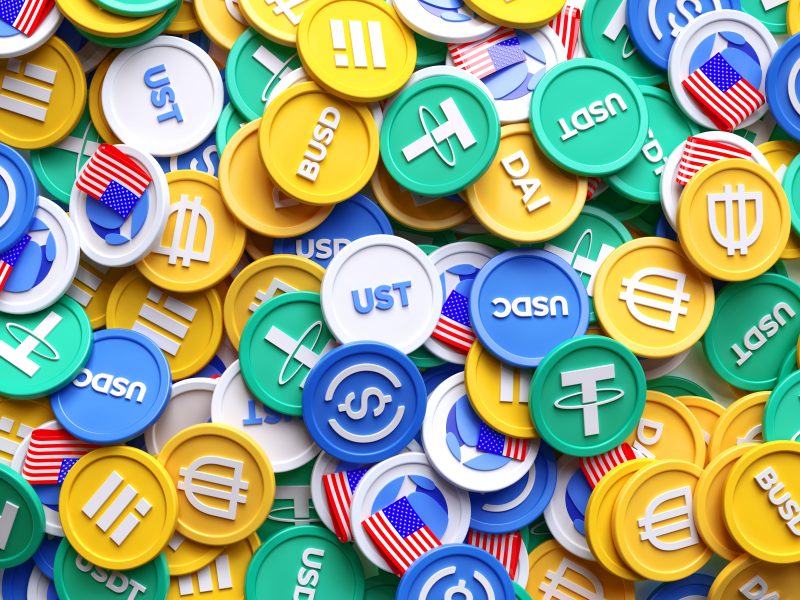
Regulation of virtual assets, including cryptocurrency, is not uniform globally. It can either be an enabler of success or a barrier to entry. Comparing the UAE and the US is a case in point. The US regulators and lawmakers currently have several obstacles to overcome, as many existing rules and regulations were intended for something other than transformational financial innovations across the blockchain. The UAE has taken a different stance by bringing in tailor-made regulations.
The US and UAE regulators have reasons for approaching digital assets in this manner. Still, across the UAE, strong frameworks have been set up for managing this specialist asset class. Rather than regulation that stifles businesses, it has been angled to stimulate the economic benefits from the multitude of use cases presented by cryptocurrency.
This has not happened by chance. Over the past few years, the UAE has collaborated with leading minds within the crypto space. In 1992, the US men’s basketball team assembled what was known as the ‘Dream Team’–a collection of superstars who went on to win Olympic Gold. High-performing teams like the New England Patriots under quarterback Tom Brady and the current era of talent at Manchester City Football Club hold similar attributes in building the best processes and bringing in the best people.
Operators within Dubai’s Virtual Assets Regulatory Authority (VARA) and the Financial Services Regulatory Authority (FSRA) at Abu Dhabi Global Market (ADGM) have done the same, cherry-picking the most intelligent and visionary individuals from local, regional and international jurisdictions and empowering them to shape the necessary processes to bring the next generation of financial services to life.
The UAE has focused on offering regulatory clarity and guidance to organisations seeking involvement in digital asset activities, outlining permissible and prohibited activities. Consequently, numerous companies are shifting operations to the UAE or establishing satellite offices to leverage the transparent and robust regulations governing virtual assets.
In addition, those teams have consulted crypto innovators, digital assets start-ups and inventors. These constructive dialogues are important for a couple of reasons:
- The regulator is better able to shape an environment where digital assets businesses can thrive while protecting all stakeholders.
- Because these businesses have been brought into the fold for such discussions, they are more aware of how to behave responsibly and compliantly, potentially avoiding regulatory pitfalls that could jeopardise their operations.
- Players within the ecosystem regularly communicate to keep up with the fast pace of innovation, staying up-to-date on the latest trends, products and use cases.
This collaborative approach has led to comprehensive digital assets frameworks and crypto regulations. Ultimately, it will be a catalyst for success. Much like the sports mentioned above, we have the right systems and strong talent in place, and now we have to drive effective implementation. The framework for a winning future is established. As the provider of digital assets infrastructure across the region, it’s a very exciting moment to shift the digital assets mindset from ‘it’s coming’ to ‘it’s here’. From innovative start-ups to the largest traditional financial institutions, digital assets will propel generational change in the movement and investment of money. And that future will be driven by right here in the UAE.