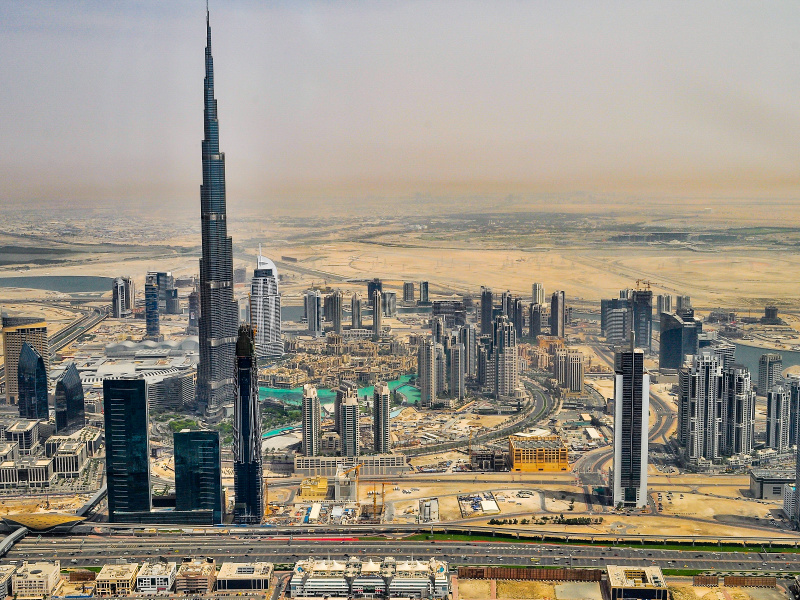
Family offices are the lifeblood of the GCC’s financial ecosystem but also the most elusive. Understanding each family office can be a challenge for outside investors, not least in a region where discretion and reputation are paramount.
At the same time, generational transitions within family offices are reshaping how they think, invest, and respond to uncertainty. While headlines may suggest instability, the underlying reality is more measured.
Most family offices remain committed to the region for the long term, even as some family members choose to spend time abroad during periods of geopolitical tension.
Mood Music Across Family Offices
Across the UAE, family offices are staying put.
“Most family office staff are staying put, mainly because someone still has to run the office,” said Obediah Ayton, Chairman of the Family Office Club, in Dubai.
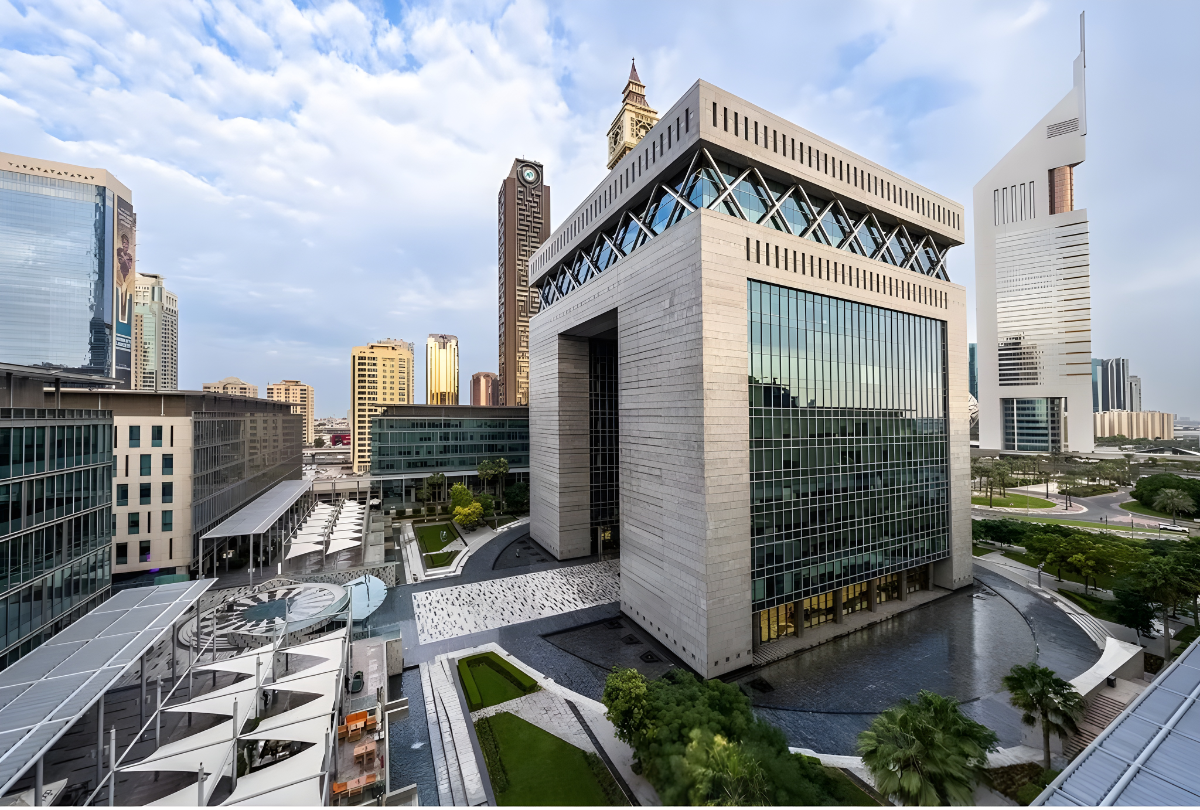
DIFC currently hosts 1, 289 family offices: a number up 61% YoY on FY25.
Many offices retain exposure across public markets, private investments, commodities, and operating businesses. As a result, their immediate priority is stability—ensuring the smooth management of family affairs while navigating external uncertainty.
Temporary Relocation
While institutions themselves remain largely anchored, some individuals are taking a more cautious approach.
According to Ayton, some family members have “temporarily stepped away from the UAE, which is a completely natural reaction. For many individuals who were not raised in the Middle East, this may be their first direct experience of regional conflict, so taking a short break elsewhere to protect family and provide reassurance is understandable.”
This movement, however, is limited in scope. As Ayton notes:
“Introductions to corporate service providers and private bankers in Hong Kong and Singapore totalled just four enquiries out of a thousand members.”
In other words, there is no meaningful shift toward permanent relocation. Family offices are not restructuring their core operations abroad.
Changing Behaviour of Family Offices
Beyond short-term reactions, a longer-term structural shift is underway. GCC family offices are becoming increasingly influential in shaping the region’s venture capital landscape—a trend that predates current geopolitical tensions.
Today, 58% of MENA family groups are active in venture capital, with up to 42% looking to increase exposure to private markets, according to the Campden Wealth and HSBC Global Private Banking 2025 report.
Rather than acting solely as passive stewards of wealth, family offices are evolving into active investment platforms, aligned with broader regional diversification strategies.
Solid Fundamentals
Despite external pressure, UHNWIs and their associated families are standing firm in the Emirates.
Wealthy families have spent decades selecting stable jurisdictions with stable regulatory environments, efficient tax frameworks, and strong infrastructure. These advantages, Ayton notes, do not disappear in response to short-term geopolitical developments.
Naturally, Hong Kong and Singapore come in conversations, as a handful of members ask for contacts in both jurisdictions, yet this is focussed on “keeping options open” since family offices tend to build multi-jurisdictional resilience.
UAE Capital Markets
In the near term, the UAE’s property market may experience a modest slowdown in liquidity. According to the latest S&P real estate outlook, leading developers—including Emaar, Damac, PNC Investments, and Omniyat Holdings—remain fundamentally strong.
While S&P anticipates a continuation of pre-existing trends, including softer transaction volumes and some easing in residential prices, it does not forecast a systemic downturn comparable to 2008. Much will depend on the duration of current geopolitical tensions, with reassessments likely to focus on construction progress, cash flow, and working capital dynamics.
Family Office Incentives
Periods of market adjustment may also create unexpected advantages.
Ayton points to the continued importance of financial free zones such as DIFC and ADGM, both of which have introduced Variable Capital Company (VCC) structures that are gaining traction among family offices. He adds that cost dynamics could further enhance the UAE’s appeal:
“If office rent and real estate prices cool slightly… it may ironically make the UAE more attractive for new structures.”
With the family office licensing framework still relatively new, and many families historically operating through holding companies and special purpose vehicles, a more favourable cost environment could accelerate the establishment of new structures in the Emirates.
Next Decade of Family Offices
Looking ahead, the trajectory for family offices in the region remains firmly positive.
Structures are expected to become increasingly international, with families operating across multiple jurisdictions while leveraging technology platforms to manage both public and private investments in real time.
As Ayton said, “from the UAE you can effectively speak to China in one ear and California in the other.”
Stay Up to Date with the Latest Updates at Finance ME!
Iranian Threats Prompt Banks to Issue Work from Home Orders Across Gulf Hubs
CBUAE Issues Resilience Package as Goldman Warns of GCC Growth Contraction