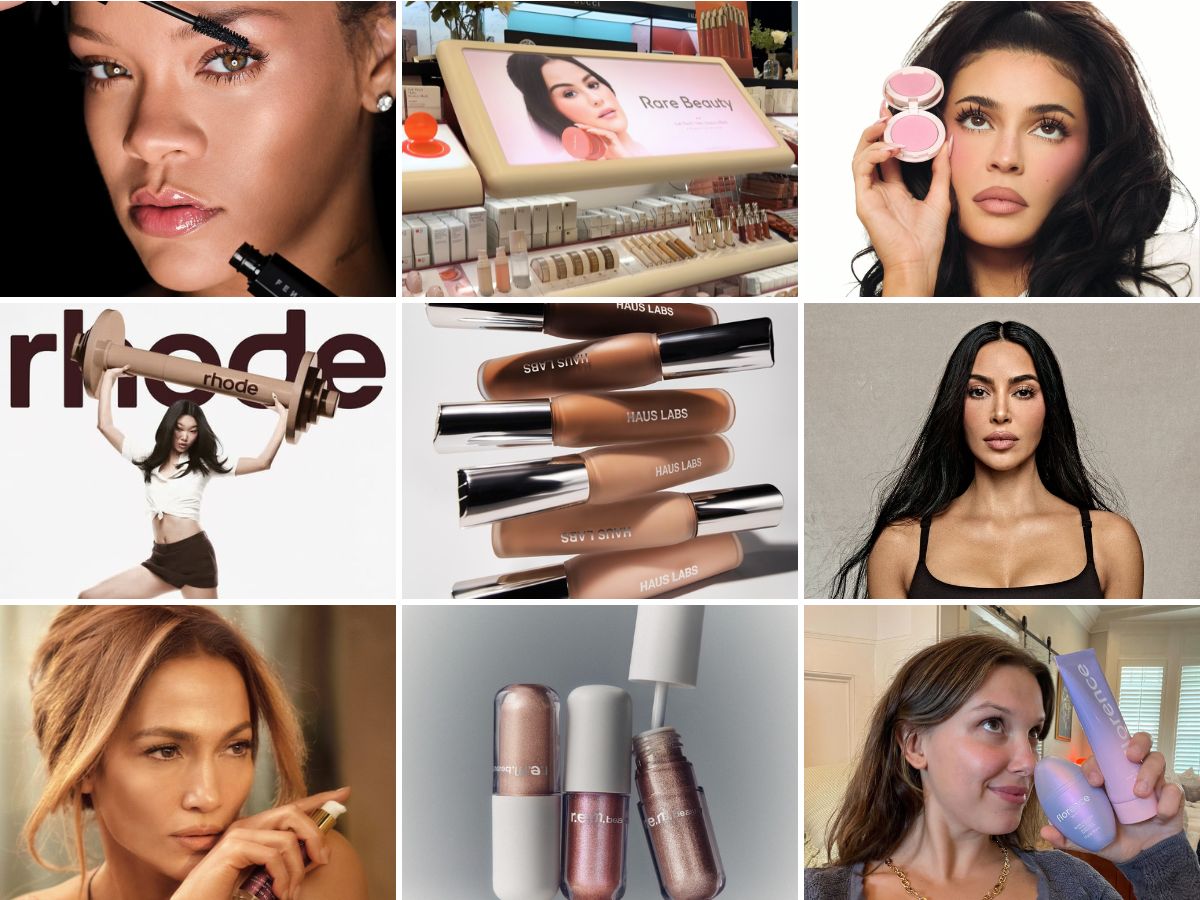
In February 2025, Selena Gomez made headlines not with a new album or film but with a strategic business move. Rare Beauty, the cosmetics label she launched in 2020, was reportedly in advanced talks for a partial acquisition by a private equity firm, placing its valuation close to $2 billion. The news highlighted Gomez’s growing clout in the beauty business and reflected a broader shift—the rise of celebrity-founded brands as serious ventures.
From Kylie Jenner’s billion-dollar beauty deal to Kim Kardashian’s shapewear business SKIMS, going public in late 2024, celebrities are increasingly moving from endorsements to equity. The question is no longer whether this is a trend but why it continues to accelerate. What drives celebrities to launch their own companies, how do they monetise them, and why do some exit once valuations peak?
Why launch?
For Gomez and many others, launching a brand is more than capitalising on fame. It provides creative control, relevance in a highly dynamic consumer market, and a path to long-term wealth creation.
Rare Beauty entered a crowded cosmetics market, but it did so with a focused message around inclusivity and mental health. Gomez positioned the brand as a mission-driven business, creating a strong emotional connection with consumers, especially Gen Z. This narrative helped convert social media followers into loyal customers, a base that few legacy brands can replicate.
Owning a consumer product line also creates new leverage in an industry with volatile traditional income streams. Licensing and endorsement deals are typically transactional, whereas brand ownership offers recurring revenue and the ability to build enterprise value. When Kylie Jenner sold 51% of Kylie Cosmetics to Coty in 2020 for $600 million, it reset the expectations for celebrity-led commerce.
What do they gain?
The key difference between past celebrity deals and the current wave is ownership. Today’s stars want equity, control over intellectual property, and the ability to scale through digital distribution.
Rihanna’s Fenty Beauty, developed with LVMH, generated over $550 million in annual revenue within its first year. Rihanna’s role extended beyond creative input, giving her access to both the upside of performance and the brand’s strategic direction.
Kim Kardashian’s SKIMS has followed a similar model. Originally launched as a shapewear line, it has since expanded into loungewear and menswear, achieving a $4 billion valuation by late 2024. Her influence, paired with consistent product innovation and partnerships with the NBA and Team USA, turned it into one of the highest-growth apparel brands globally.
This model works because celebrities already have built-in distribution via social media. They reduce the need for paid advertising, accelerate brand trust, and compress go-to-market timelines.
How do they monetise?
Modern celebrity brands operate across several income channels. Direct-to-consumer sales offer higher margins, often above 60% for beauty and personal care products. Retail distribution with chains like Sephora and Ulta brings scale and visibility, while licensing and equity transactions offer liquidity.
Jessica Alba’s Honest Company was an early example, evolving from a niche organic baby brand into a publicly listed company. Hailey Bieber’s Rhode Skin, launched in 2022, continues to scale across Asia and the Middle East, thanks to both product demand and the global reach of Bieber’s personal brand.
Merchandising, product placements, and bundled offerings further strengthen these revenue streams. Taylor Swift, for instance, operates one of the most profitable merchandising operations in the world. Though she hasn’t launched a standalone brand, her model shows how controlling IP and distribution can rival traditional entertainment revenues.
Why do they exit?
While building a brand offers significant upside, operating it can be demanding. Many celebrities choose to exit or scale back involvement once the business matures or market conditions peak.
Kylie Jenner’s early exit from Kylie Cosmetics allowed her to monetise when valuation was high, and the brand still had momentum. For Gomez, a partial sale of Rare Beauty in 2025 may allow her to de-risk, return focus to creative pursuits, and retain exposure to future growth.
Private equity also plays a role. Firms like L Catterton, Cavu Ventures and Blackstone actively acquire or partner with celebrity brands. For them, these deals offer access to strong consumer products with built-in audiences. For the celebrity founder, it means liquidity and the ability to step back while maintaining residual equity.
Why is this trend gaining momentum?
In 2025, celebrities are in a good position to capitalise on shifting consumer trends. The rise of social commerce, AI-driven personalisation, and digitally native audiences has lowered the cost and complexity of launching a business.
Zendaya, for example, launched a sustainable activewear line earlier this year, integrating AI for personalised recommendations. Bad Bunny is expanding his fashion label into regional beauty products for Latin American consumers. These new launches reflect a move from simple product sales to building multi-category ecosystems.
Celebrities offer a unique combination of cultural influence and commercial potential as traditional media influence declines and consumer trust shifts toward individuals over institutions.
What began as a marketing playbook has evolved into a capital strategy. Today’s celebrities treat their personal brands like business portfolios, turning cultural cachet into high-growth, monetisable enterprises. The celebrity founder is no longer a novelty for investors, retailers, and even public markets. In the right conditions, it is a model that delivers scale, loyalty, and return on capital.
For finance professionals watching this space, the takeaway is simple. Celebrity brands are mainstream investment opportunities when structured around real operational strength and product-market fit.