Retirement is no longer a one-time milestone for a growing segment of affluent investors in the UAE. A new HSBC survey shows that wealthy individuals are reimagining their careers as a series of work-and-pause cycles, a trend reshaping how financial planning is structured in one of the Middle East’s wealthiest markets.
According to HSBC’s Quality of Life: Affluent Investor Snapshot 2025, 41% of affluent investors in the UAE expect to take at least one mini-retirement during their working lives. Among them, nearly three-quarters plan two or more, with an average of 3.2 breaks per person, the highest figure across all 12 global markets surveyed.
Unlike traditional retirement, these planned pauses are not final exits from work. They are intentional breaks for family commitments, entrepreneurial ventures, or international living. Thirty-one per cent of UAE respondents said they wanted time to spend with family, while 27% planned to use career breaks to start a business. Another 27% cited the opportunity to live abroad.
Financial preparedness
The survey highlights a strong sense of financial preparedness in the UAE. Eighty-one per cent of respondents planning multiple mini-retirements said they were confident they could fund them, compared with a global average of 74%. This confidence is backed by diversified income streams: 40% expect to rely on personal savings, 39% on investment income, and 37% on rental revenue.
Generational divides are clear. Gen Z and Millennials are leading the shift, viewing mini-retirements as part of a longer, modular career journey. The average planned interval between breaks is about six years, with half of UAE respondents targeting two to three breaks and more than one-fifth planning four or more. For younger generations, this approach reflects not only lifestyle aspirations but also a fundamental change in how careers and wealth are managed.

Multiple retirements
The UAE results suggest that affluent investors here are at the forefront of a broader global trend. Across all markets surveyed, younger investors are more inclined to consider multiple retirements. In the UAE, however, the level of commitment to the concept is higher, reflecting both cultural attitudes and financial infrastructure that make such plans more feasible.
While motivations are diverse, barriers remain. Thirty-four per cent of respondents worried about the challenge of re-entering the job market after a break. Thirty-three per cent cited family obligations, and another 33% expressed concern about healthcare benefits. These findings underline the need for more comprehensive financial and social planning to support multi-retirement lifestyles.
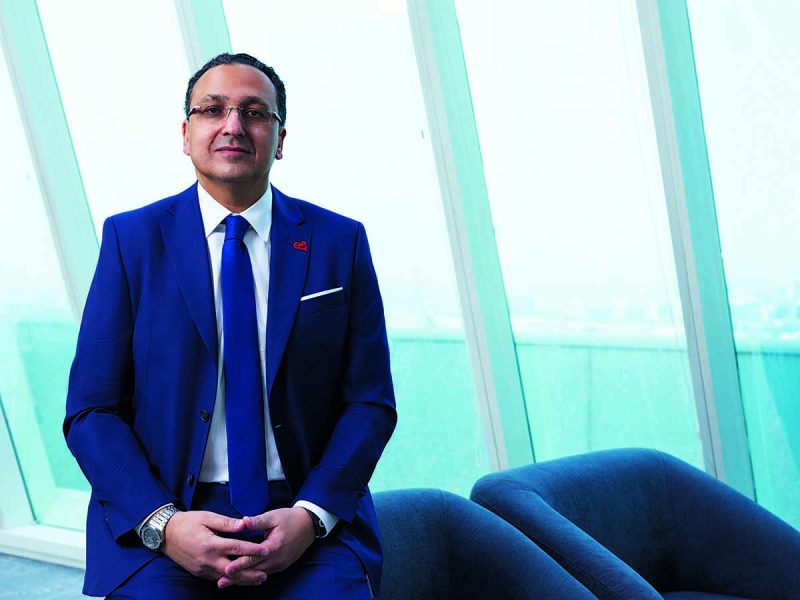
HSBC executives say the trend requires a different kind of wealth management. Dinesh Sharma, Head of International Wealth and Premier Banking for the Middle East, North Africa and Türkiye, said the data shows a clear shift in attitudes towards retirement, with investors in the UAE demonstrating confidence in planning and funding multiple pauses. He noted that this shift underscores the need for structured financial advice to ensure that each career break can be managed without jeopardising long-term stability.
Dr Cora Pettipas, a financial planner and retirement specialist at HSBC, described the phenomenon as a mindset change rather than a temporary fad. She said investors are increasingly using their wealth to fund meaningful experiences throughout life rather than reserving all resources for a single end-of-career retirement. For many, she added, retirement is no longer about stopping work entirely but about periodically stepping away to realign priorities before re-entering the workforce.

Wealth management
The implications for the financial services sector are significant. Wealth managers will need to design products that accommodate repeated withdrawals and rebalancing while still safeguarding long-term retirement security. Rental income, for example, is emerging as a key funding source, suggesting that property investment will remain central to many portfolios. At the same time, reliance on investment returns highlights the need for stable, diversified holdings that can deliver consistent income.
Globally, HSBC’s survey found that 82% of UAE respondents believe mini-retirements will enhance their quality of life, compared with 74% worldwide. The survey covered 10,797 investors aged 21 to 69, all with investable assets between $100,000 and $2 million, including 697 respondents from the UAE.
For the UAE, the findings reflect structural shifts in work culture. As the country diversifies its economy and promotes international mobility, affluent individuals appear to be among the first to adopt new models of retirement. With younger generations planning multiple career breaks and older generations beginning to reconsider traditional norms, the UAE is positioning itself at the leading edge of a global redefinition of retirement.