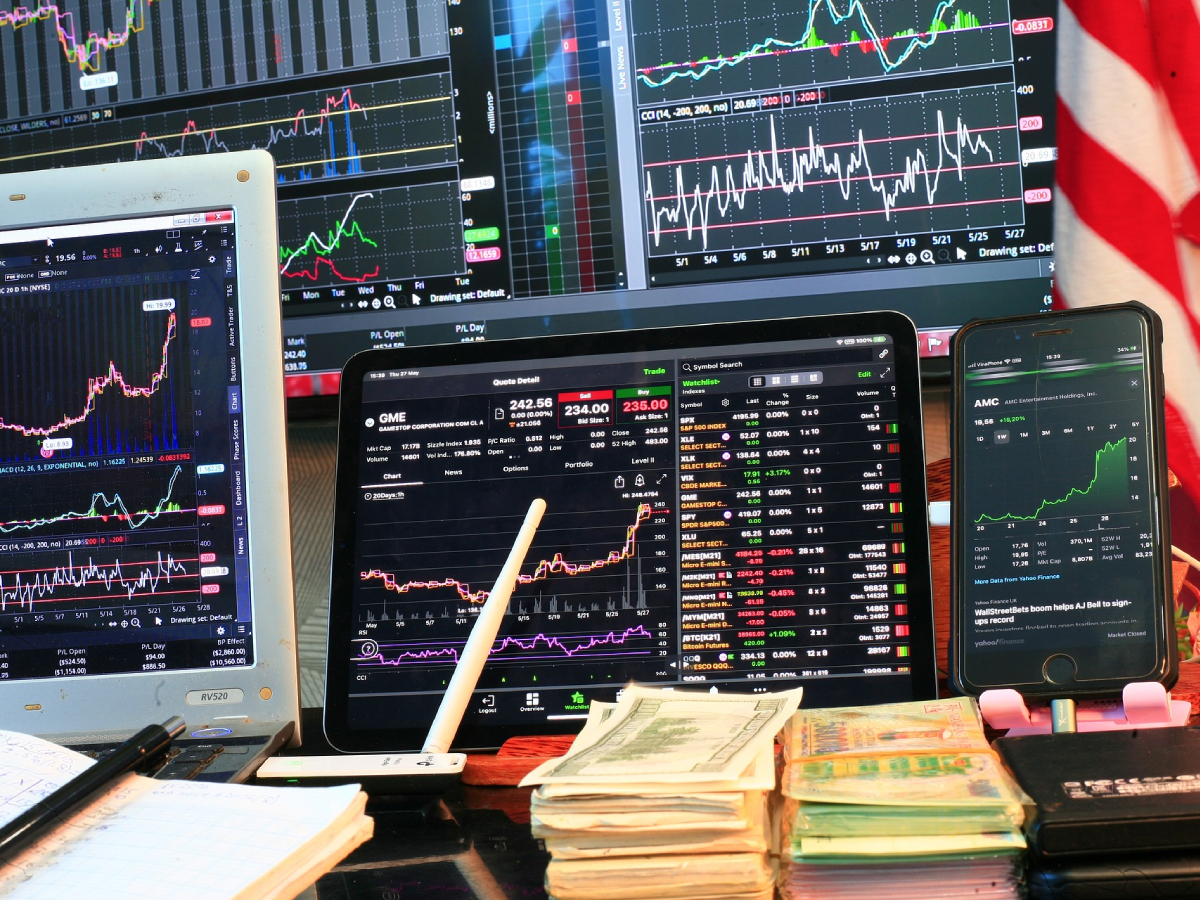
The recent stock market drop, which began on August 5, 2024, can be attributed to several interrelated factors. Key among them was the Bank of Japan’s unexpected interest rate hike on July 31 which sent shockwaves through global markets, amplified by fears of a possible US recession and the rising geopolitical tensions.
We had a sharp decline in Asian markets, spreading to Europe and the US. The Nikkei 225, for example, suffered a historic 12.4% drop, the largest since the Black Monday crash of 1987. Similarly, South Korea’s Kospi and Taiwan’s Taiex experienced their worst declines since the 2008 financial crisis and 1967, respectively. The US stock market followed, with significant losses in major indices like the S&P 500 and Nasdaq.
Also, the tech sector, which boasted very good performances from the beginning of the year, has seen increased volatility as scepticism grows over the long-term profitability and sustainability of core and AI-driven business models. Major tech stocks have seen sharp corrections as investors reassess their valuations and took profit on the sharp decline.
“The markets are expected to remail volatile”
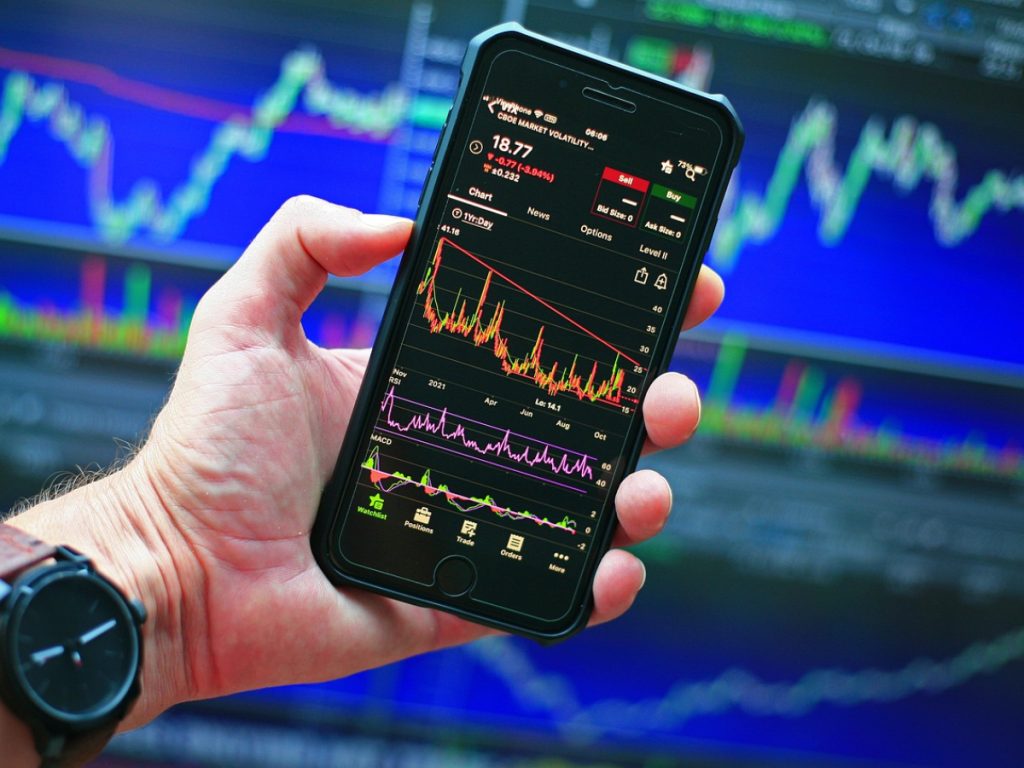
The VIX index, derived from the prices of the SP500 options and representing the market’s expectations for volatility over the coming 30 days, surged by 48%, reaching a four-year high, indicating heightened investor fear and uncertainty (markets.businessinsider.com).
Since that Monday, the VIX has dropped significantly, and the stock markets rebounded sharply recovering a relevant part of the losses. Are we out of the slump?

Caution is the word to use. While some sectors might rebound, persistent fears of economic slowdown and further interest rate adjustments could maintain market volatility. Investors should carefully follow the news on central bank policies, particularly the Federal Reserve’s actions regarding interest rates, as these will significantly impact market stability in the short term and possibly spark more volatility.
The Federal Reserve’s upcoming decisions on interest rates will be crucial. Should the Fed continue its aggressive rate hikes to combat inflation, further market corrections could occur. I find such a scenario unlikely, but it cannot be ruled out completely. On the other hand, a dovish attitude of the Fed might stabilise the markets. Economic indicators and inflation levels would still advocate for the Fed opting for the status quo, and the probability of a rate cut is still relatively low.
“The Federal Reserve’s upcoming decision on interest rates will be crucial”
Certain sectors may recover faster than others. For instance, commodities and defensive stocks (like utilities and consumer staples) might see less volatility compared to tech and growth stocks, which are more sensitive to interest rate changes and economic cycles.
Another key factor to look at will be the geopolitical situation. Any further escalation in geopolitical tensions will result in a surge in volatility and a risk-off attitude from the investors. A de-escalation, on the contrary, could restore some investor confidence.
In such a situation, investors should stick to the rules that were applied in building their portfolios, refraining from being driven by greed, rushing into buying volatile assets and trying to catch “the knife that is falling”. Also hedging techniques using non-cyclical stocks, bonds and “safe haven” assets like gold should be considered in balancing out the investment portfolio and optimising its risk/reward ratio.
To this end, are digital currencies finally a hedge against market turmoil? The answer is a straightforward no.
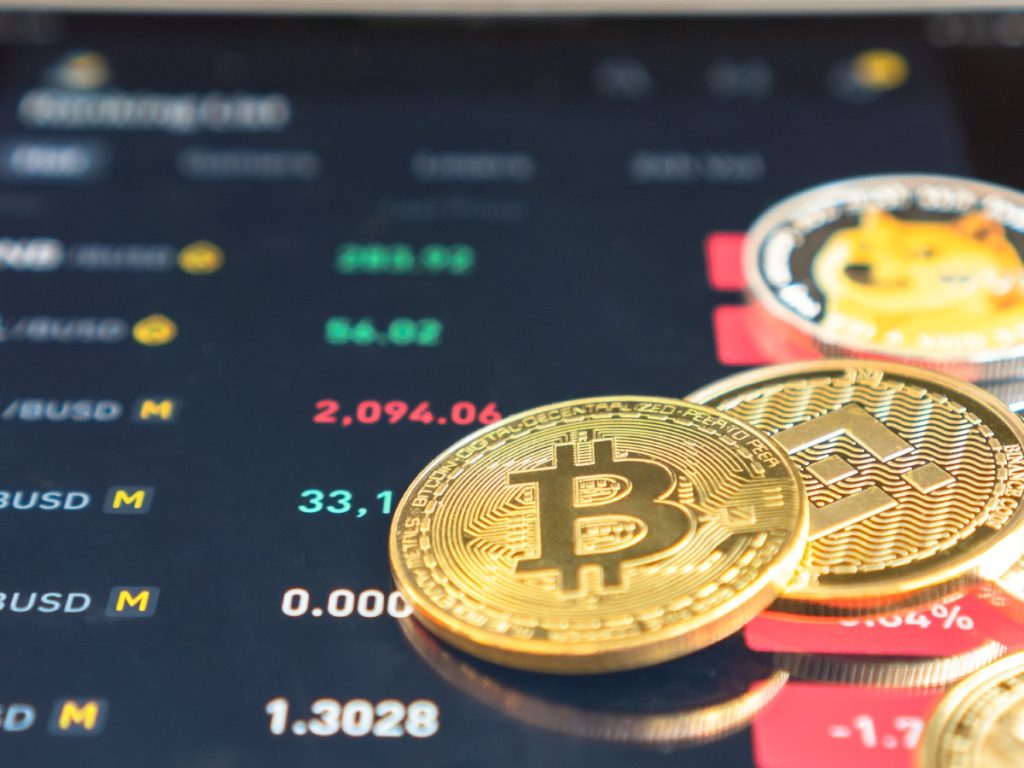
If we look at the queen of digital currency, Bitcoin, during the recent stock market turmoil it experienced a significant drop, marking its largest single-day decline since November 2022. This parallel movement, rather than advocating for digital currencies being a way to diversify the risky part of the portfolio, underscores the growing correlation between traditional financial markets and digital currencies.
They continue to be influenced by the same factors, the more important of which seems to be the investor sentiment, which can shift quickly between risk-on and risk-off modes. During periods of high uncertainty, investors tend to move away from riskier assets, affecting both stocks and digital currencies. With a noticeable level of correlation close to the unit.
“Are digital currencies finally a hedge against market turmoil? The answer is a straightforward ‘no’.”
The entry of institutional investors into the cryptocurrency space saluted as the last missing element for digital currency status as a fully-fledged asset class, has actually linked the two markets more closely. As more institutions adopt cryptocurrencies, the market might indeed see increased stability. However, this also means that the market will react more closely to traditional financial events. These investors often liquidate their crypto holdings to cover losses in the stock market during downturns, follow their management mandates and observe their risk limits.
Therefore, we can say that Bitcoin and other digital currencies are and remain highly speculative and during market instability, speculative assets tend to see more significant price swings as investors seek safer investments. Furthermore, during a market sell-off, the rush to liquidate positions can lead to sharp price declines due to the peculiar liquidity profile of digital currencies.
In essence, the recent stock market drop in August 2024 has highlighted the interconnectedness of global financial markets.
Moving forward, the markets are expected to remain volatile, with central bank policies and geopolitical developments playing critical roles. The evident correlation between stock market prices and digital currencies, particularly Bitcoin, underscores the shared influences of macroeconomic factors, investor sentiment, and institutional participation in both markets. Digital currencies are a legitimate part of an investment portfolio run by investors with a certain level of risk tolerance, but care must be taken in considering the true diversification value they bring to the table.
Quite some headwind to face, which demands firm and rational decision-making in managing investment portfolios.