Markets move fast, but does technology move faster? At a time when milliseconds can mean millions, artificial intelligence (AI) has become an indispensable tool for traders.
Increasingly, machine learning and data analytics technologies are being used across trading desks to find alpha, read the signals, execute faster and reduce costs. But with these capabilities also comes new risks: model stability, flash crashes and explainability. How can investors and financial institutions keep the edge while staying compliant and in control?
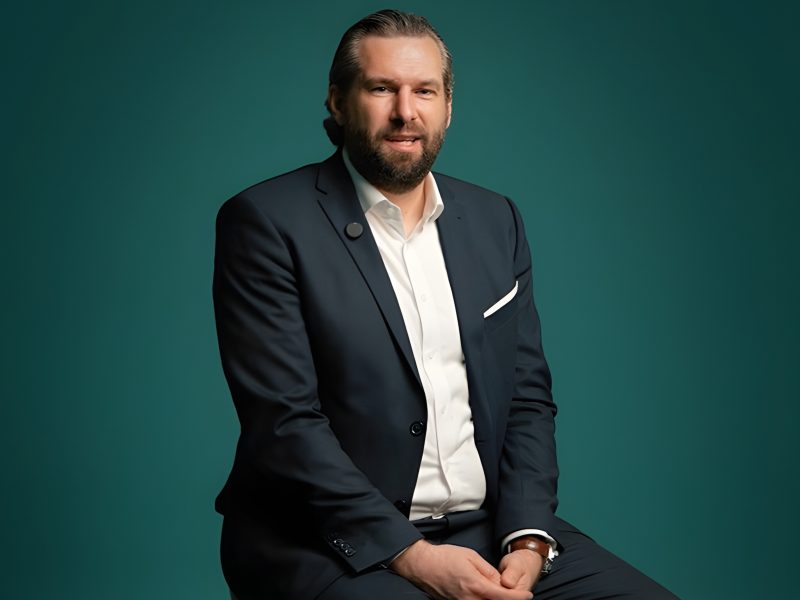
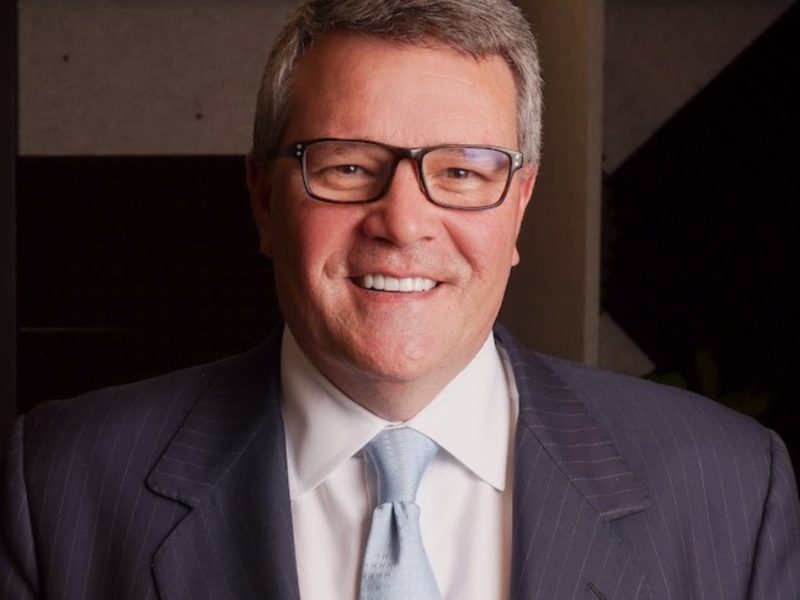
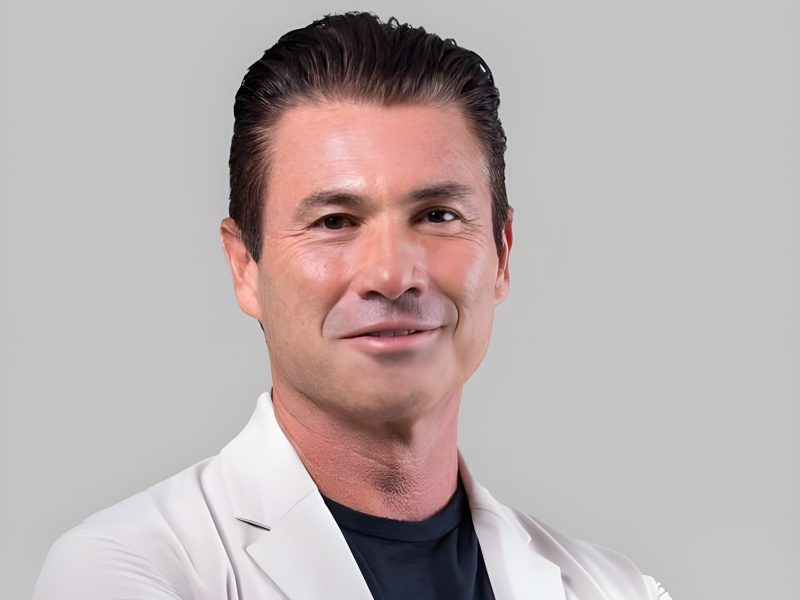
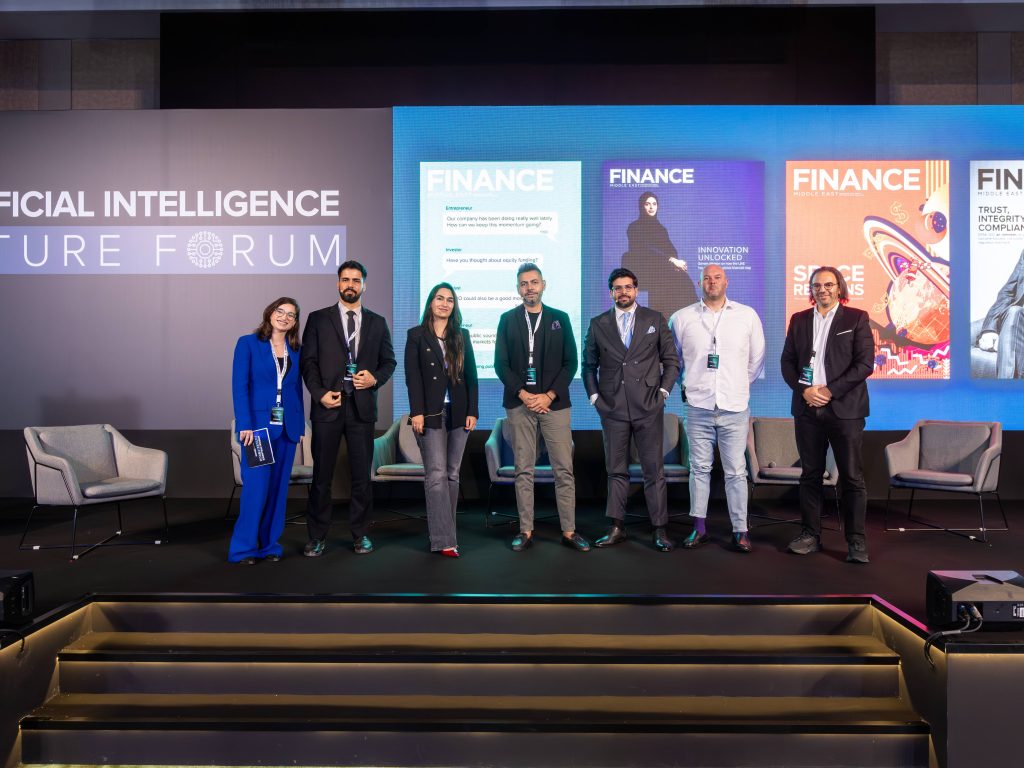
During the Finance Middle East AI Future Forum in Dubai, industry experts and senior executives from institutions such as Bridgewise, Tickmill, Rostro Group and FinaMaze discussed how the smartest desks are using AI and where the human touch still matters.
The promise of AI
From algorithmic execution to sentiment analysis and predictive portfolio optimisation, AI is now on the front lines of financial decision-making. Algorithms can parse market-moving data—from geopolitical developments to economic indicators—faster than any human team could. Yet, the industry remains divided on how far it can go and how far it should go. Fundamentally, the issue boils down to trust and expertise.
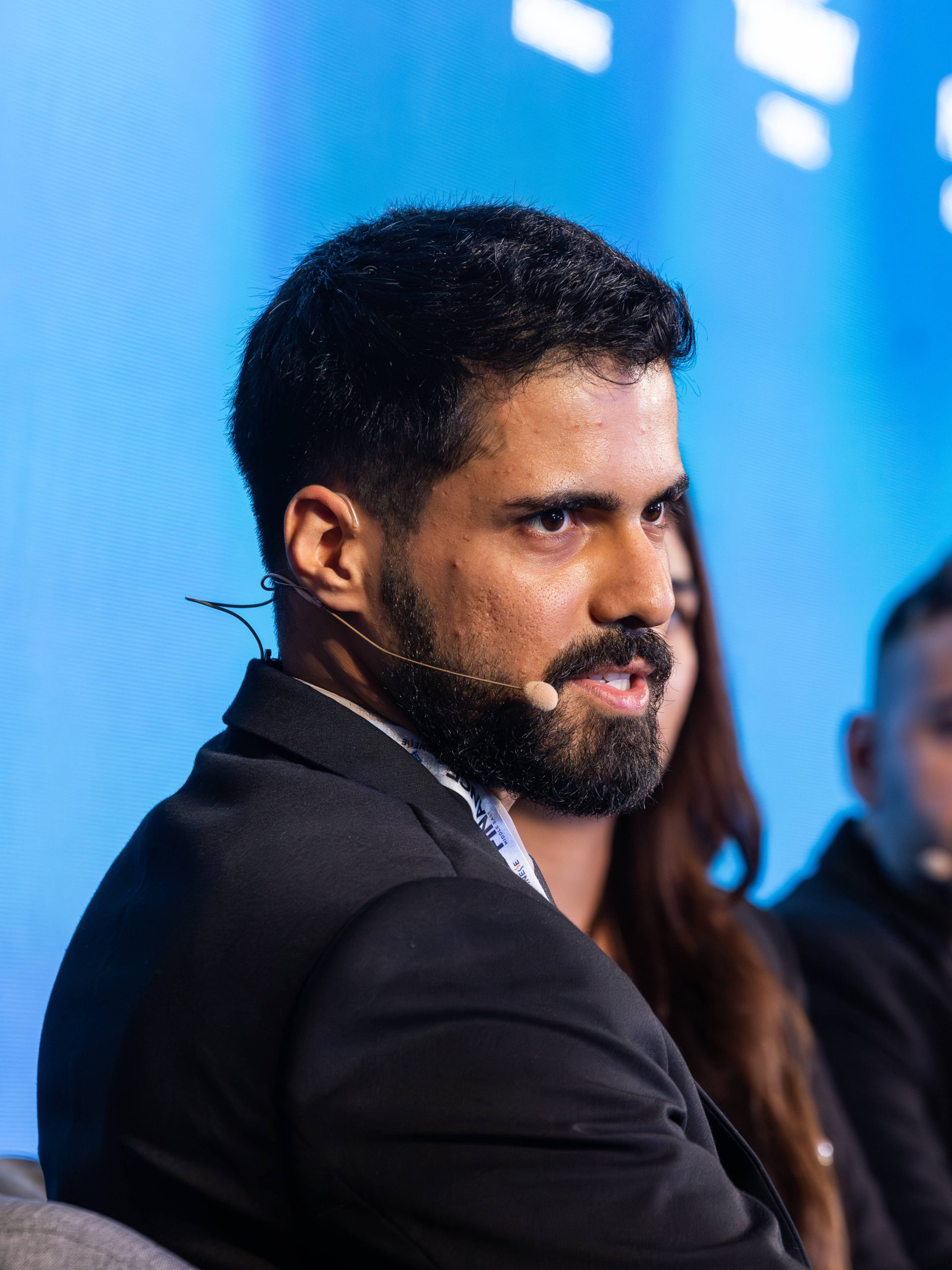
“If firms do not adapt AI, they risk falling behind,” said Amna Usman Chaudhry, a frontier tech strategist. AI’s immediate utility in trading lies in its ability to process vast volumes of data and make quick decisions. “Decision-making is getting faster, more precise,” added Amir Masoud Amidian, Senior Fundamental and Sentimental Analyst. “They [AI models] are way better than us. They can easily get the direction faster than us. And what do we want? Just the direction.”
Amidian provided an example of how AI has helped his clients obtain high returns: “I’ve done 580,000 trades across different accounts. A 55% win rate comes from getting the market sentiment right. And AI is very good at that.”
The modern wave of AI is enabling vast enhancements in everything from fraud detection to portfolio optimisation. Beyond efficiency, AI is also democratising access to professional-grade insights. “We provide regulated Buy-Sell recommendations using AI across 50,000 assets all over the globe,” said Ayush Khatri, General Manager-MENAT, Bridgewise. “We’re covering 90% of global equities in any company with a market cap of more than $10 million, and we do this in any language.”
By localising research and analysis, AI-powered platforms are not only breaking language barriers but also improving trust and engagement. “Somebody who’s sitting in Japan wants to read a research report on Tesla in their native language, that builds a lot more trust,” Khatri said.
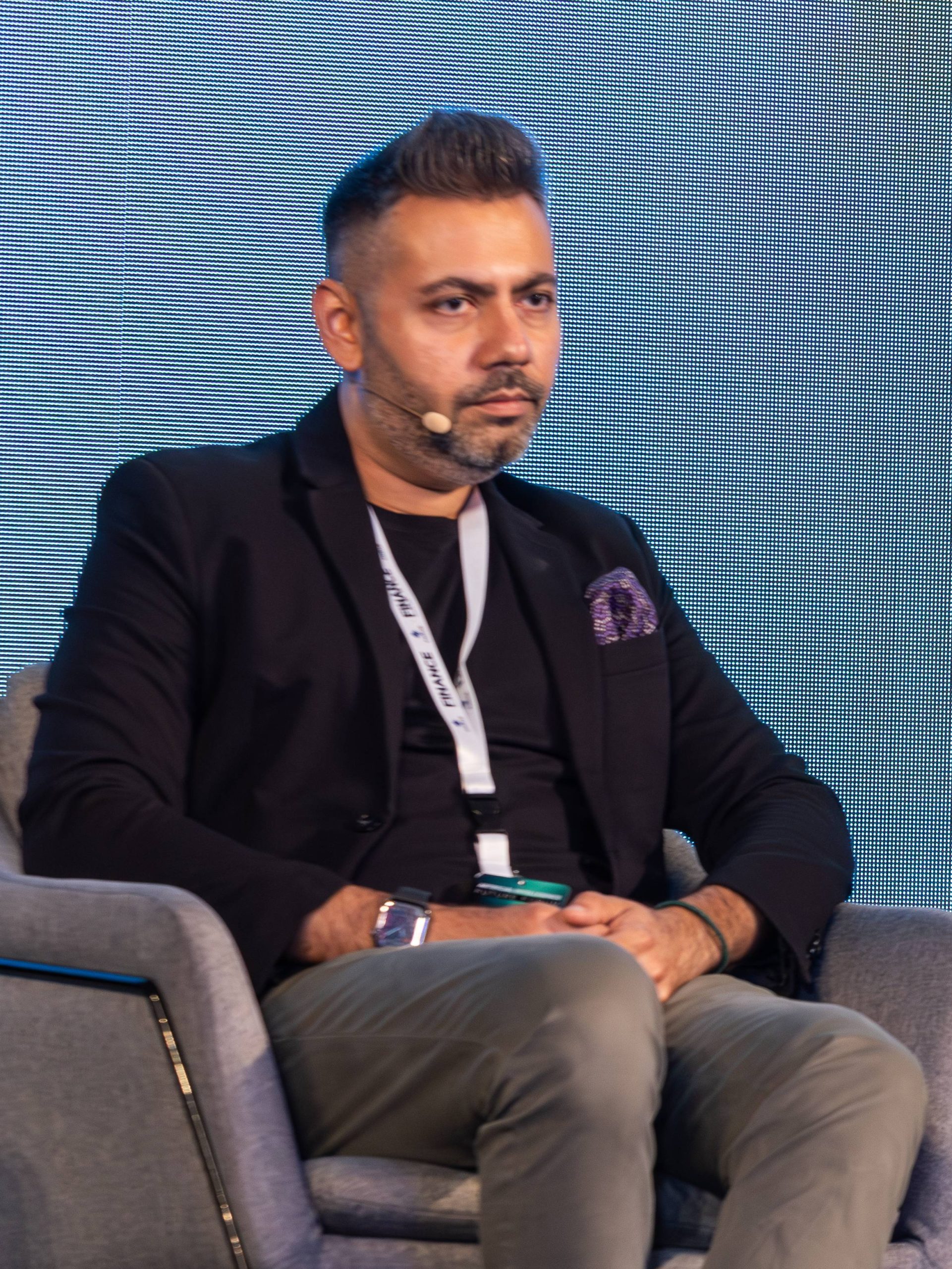
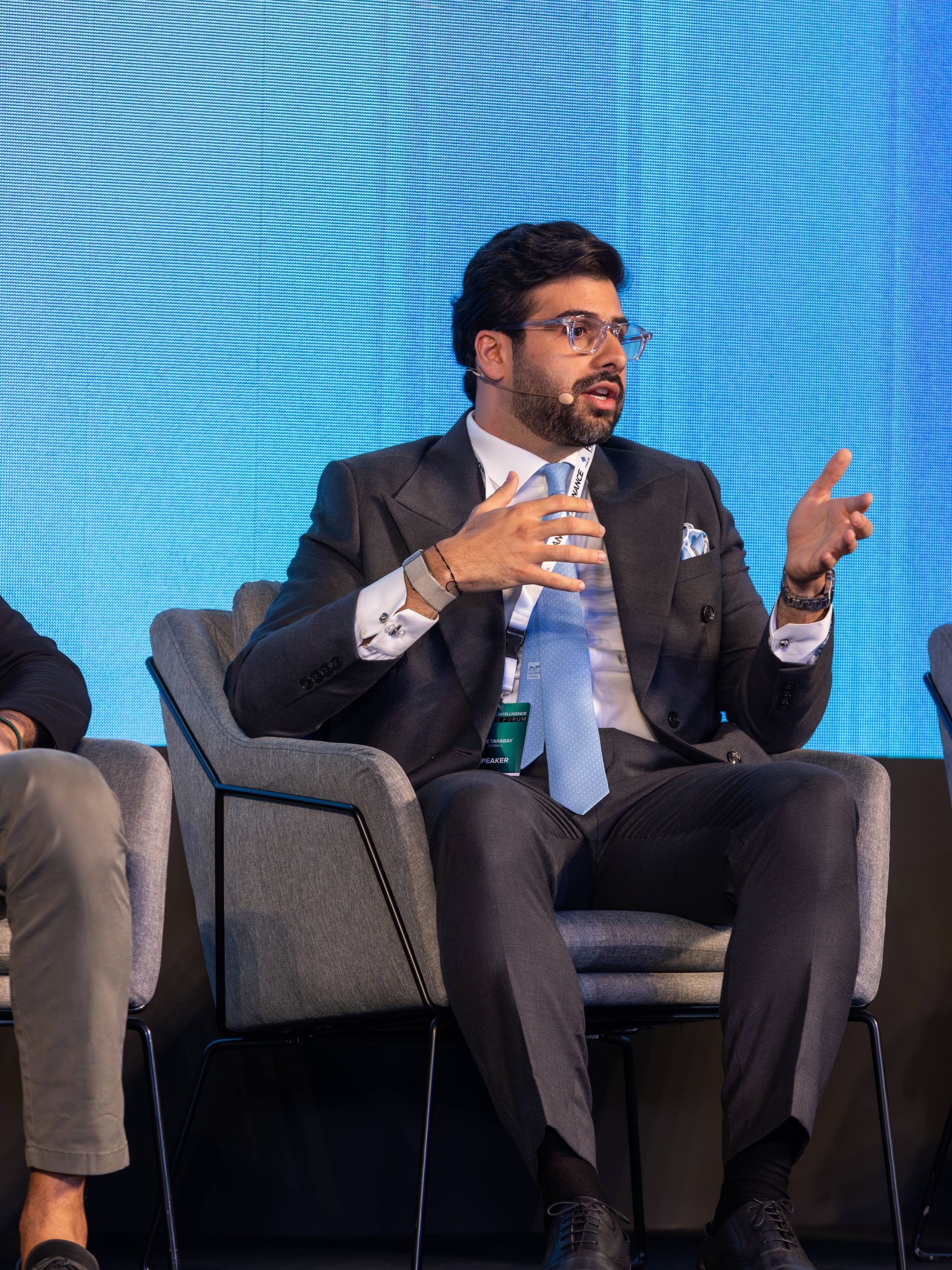
On the retail side, there are also myriad applications. “AI is accelerating everything,” said Ellie Tarabay, Head of Partnerships MENA, Tickmill. “Companies such as Tickmill and many other brokers are adapting machine learning and deep learning, processing data sets, price feeds, economic indicators, along with alternative data to predict price movement.” He detailed how brokers are using AI-driven tools across multiple fronts, from algorithmic execution to stress testing and risk management.
For Mark Foulger, Managing Director of Digital Asset Innovation, Rostro Group, AI is less about innovation for innovation’s sake and more about gaining a tactical edge in a competitive ecosystem. “I look at trading as very PvP,” he said. “For those that aren’t into gaming, it’s player versus player.”
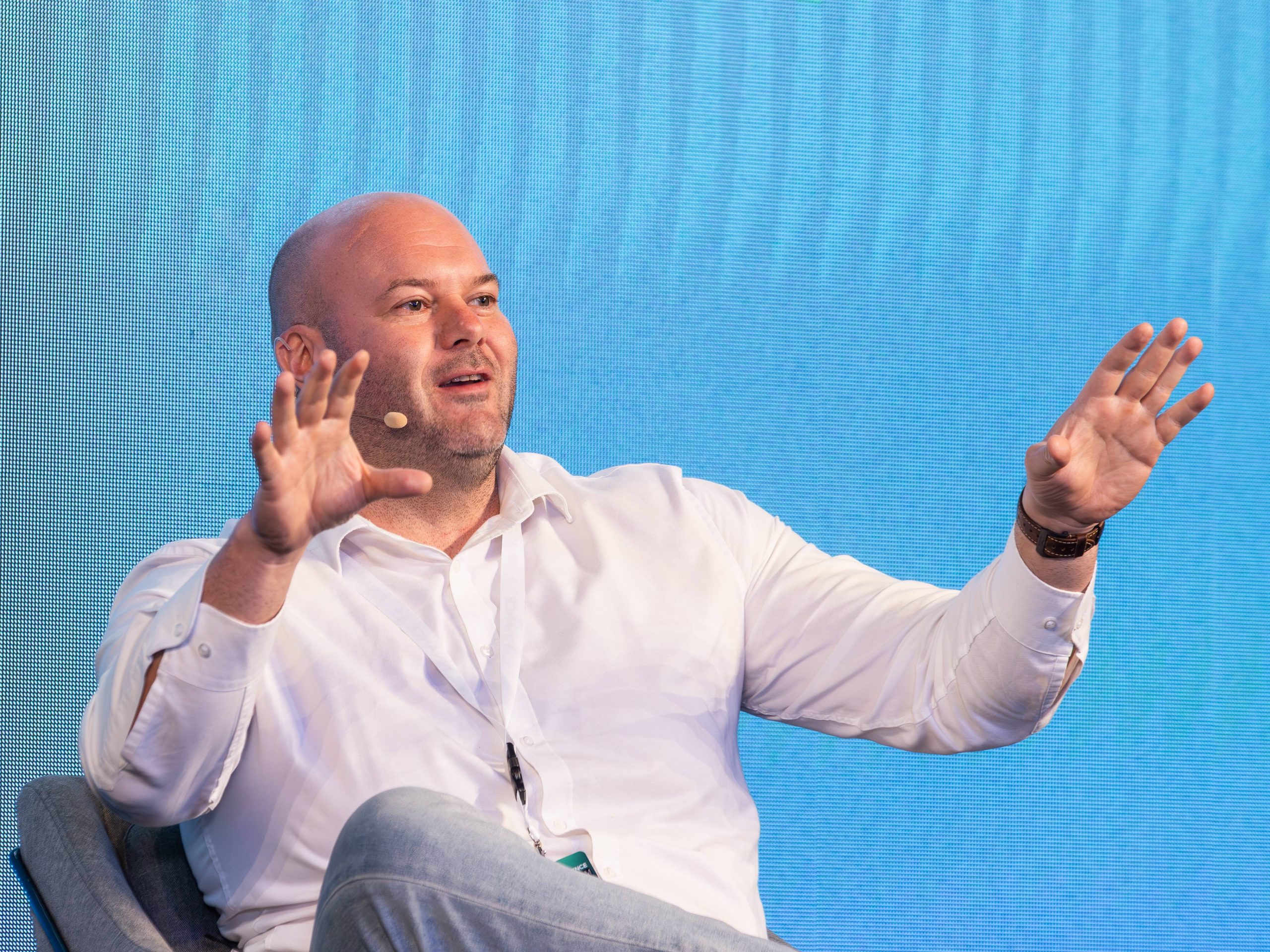
Foulger further explained how institutional players are using AI not just for analytics, but for sophisticated client segmentation and flow management, helping them isolate unprofitable trading behaviour and convert it into gains. “What AI is fantastic at is quickly identifying negative, correlating trades, finding clients that lie, and being able to take them out of your stack,” Foulger noted.
Can AI replace traders?
Excitement regarding the great potential of AI was echoed across the panel. The technology shines in analysing vast quantities of structured and unstructured data, detecting patterns, reading market sentiment from news and social media, and enabling more informed, faster decisions. But not everyone agreed.
“I wouldn’t say AI is it’s going to replace a human,” Khatri added, “It’s definitely used more as an enabler. And, especially in the world of trading, you still need human oversight to train the model, to look at different aspects of what the model is spitting out, because there are risks involved.”
Another expert was more clear-cut. “AI will never predict the markets,” declared Mehdi El Amine Fichtali, CEO and founder of FinaMaze. “I’m saying it because we tried.”
Fichtali emphasised that AI is an extraordinary tool. It offers speed, precision, and affordability. But it’s still far from perfect. “It’s as good as a good analyst,” he said. “Not an excellent one, but a good one. They are not always right, but they are giving you a strong, strong basis to build on. And a very fast one, which gives you an edge.”
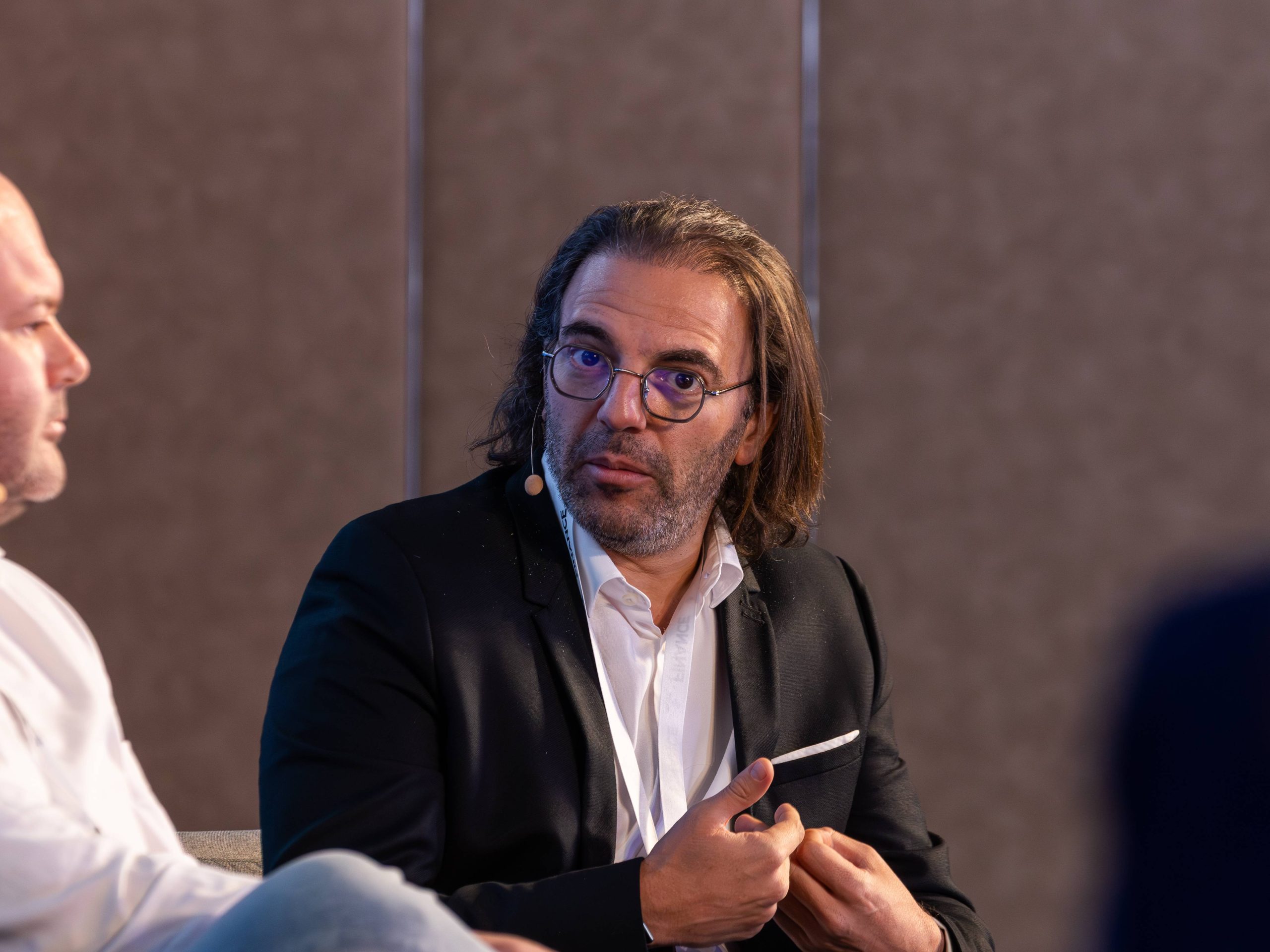
Fichtali explains that his company, FinaMaze, uses an AI agent that reads all the content relevant to specific stocks and indices. However, this information can only be provided after the fact. It provides great speed, but limited intelligence. “AI works very well on clear skies,” he explains. “It does things, I would say, even better than human beings. But the difficulty is when there is a big change in regime. Would an AI be capable of determining by itself if there is a big change in the momentum? The answer is yes, but not only by itself.
“AI will give you a lot of false positives where it will think that something happened which is unusual, whereas a human being with the right expertise and trading background will be able to determine if that’s the case or not. Ultimately, like in an aeroplane, when in terms in terms of clear sky, you can put autopilot, but when there is some turbulence, then you would probably want to get hold of the stick to better control the plane.”
However, the technology is ever-evolving. Fichtali does support the idea that data analytics tools are transforming the industry. However, he clarifies that AI “will not change the essence of it”.
Ensuring ethical evolution
Beyond performance, the ethical implications of AI in trading are a growing concern. When an algorithm is making key investment decisions based on a dataset, such a dataset should be accurate and should not lead to wrong assumptions.
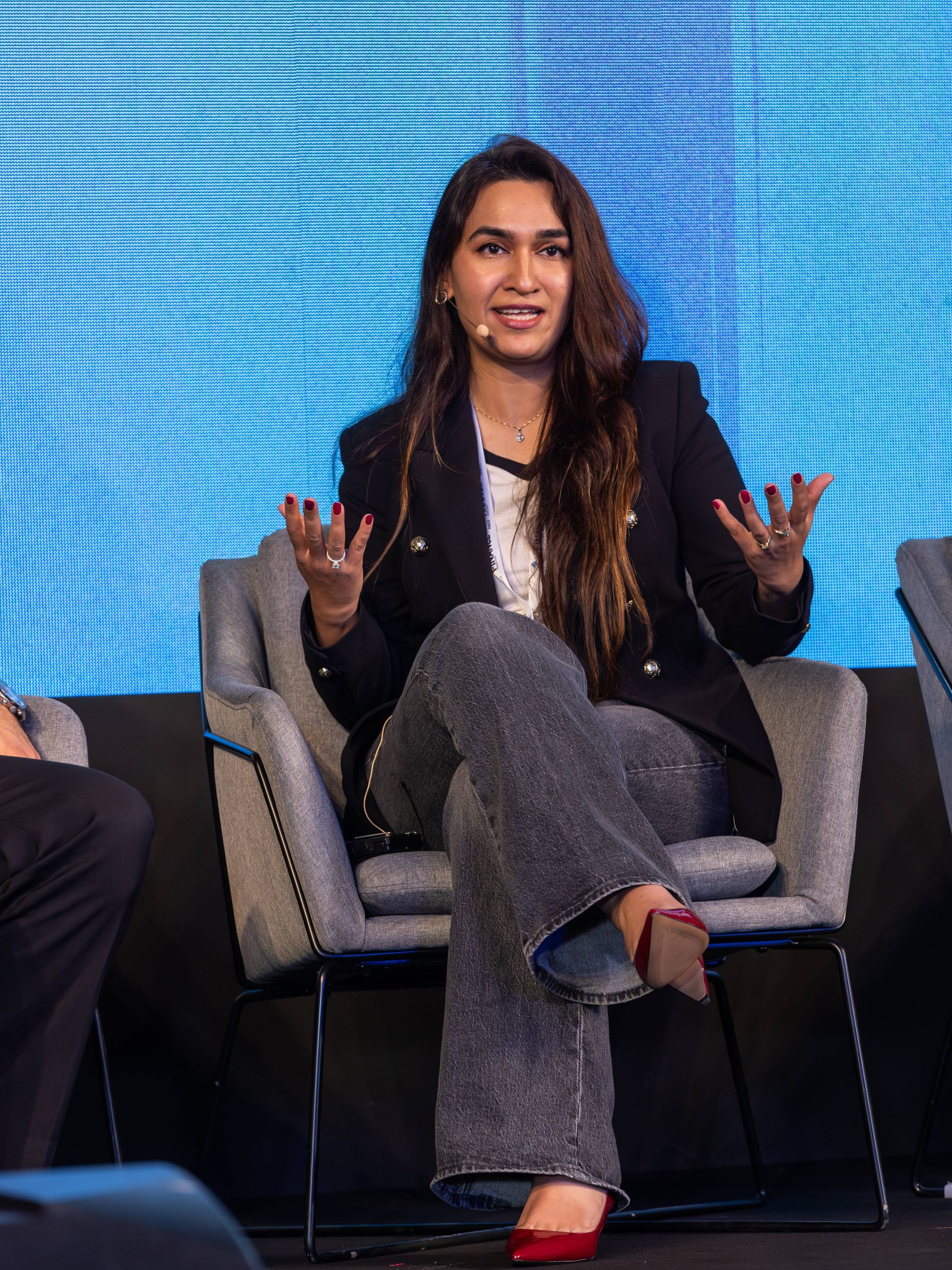
“It’s important that we lay a foundation of ethics and make sure that data is free of bias,” Chaudhry noted. That includes protecting demographic data, avoiding location bias, and ensuring transparency around data sourcing. “It’s also important that AI trading firms make sure that the AI data that is being used to feed and train their AI models is ethically sourced,” added Chaudhry.
She pointed to new tools like synthetic data and Explainable AI that help stress test models and reveal decision-making pathways. Certain companies are also taking the lead with innovative projects. For instance, Goldman Sachs is using generative AI models to generate synthetic market conditions and run the data through them to stress test their AI algorithms. Once the algorithm has passed the test, teams can be assured it will perform robustly.
When it comes to ethics, Tarabay highlighted the growing imbalance. between institutional firms and retail traders.“When we talk about ethical standards, there’s unfairness in the market,” he said. “High frequency traders, elite traders, institutional businesses are investing a lot of money to create and perfect these AI models to market, make, predict the market, manipulate the market, so the retail trader is taking a big hit in this.”
But even with safeguards, risks and unknowns remain, particularly when it comes to taking responsibility for the mistakes of an AI tool. “There is so much autonomy coming up, particularly with decentralised frameworks like blockchain and decentralised finance,” Chaudhry noted. “Who is accountable for the decisions that AI agents make? If it makes a mistake, there needs to be proper accountability.”
For Fichtali, accountability is also non-negotiable. “You cannot say that the AI did it,” he said. “What we want is to be accountable for whatever trades you do, regardless of whether it was a human being, an AI, an agent or an algorithm.”
The future of trading
Looking forward, the future is likely to be shaped by AI. In particular, experts pointed towards agentic AI models that can complete entire tasks autonomously, as the next big sector transformation. “One AI agent would be looking at the macroeconomic aspects, another one would be looking at risk.., and all of these will work together,” said Chaudhry.
Moreover, multimodal AI, incorporating data types beyond text and numbers, is on the rise. And in the long term, quantum AI may redefine what’s possible. “With quantum AI, you use qubits to analyse the problem from all existing states,” she explained. “That is where we’re heading.”
Despite the rapid adoption of technologies in the world of trading, all panellists agreed on one thing: humans still matter. AI is a tool. Trading, in contrast, is both a talent and a science