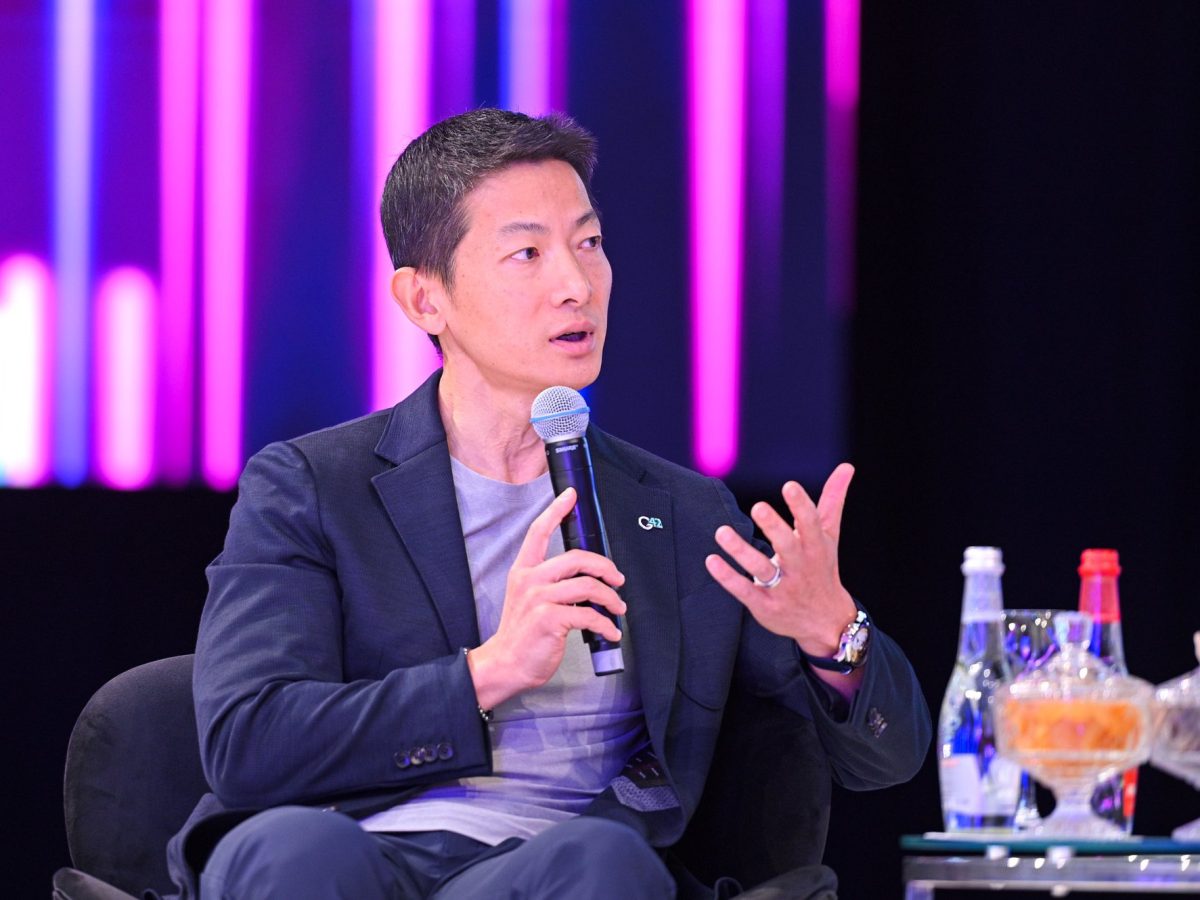
Microsoft’s recent $1.5 billion investment in Abu Dhabi-based G42 is rooted in commercial strategy, not government intervention, according to Peng Xiao, CEO of G42. Speaking at GITEX 2024, Xiao explained that the relationship between the two companies began in 2022 with cloud infrastructure collaboration and developed into an AI-focused partnership. “Many thought Microsoft’s investment was government-driven, but this was purely a business decision,” Xiao clarified.
The commercial engagement with Microsoft deepened as G42 leveraged its position as a pivotal player in AI across the Global South, a role that attracted Microsoft’s interest. “Microsoft saw the commercial opportunity in our ability to help distribute equitable AI,” Xiao explained. He noted that it was only after the partnership evolved into a strategic alliance that the governments of the UAE and the US became involved to ensure that advanced technology remained secure. “The governments’ role was about protecting trade secrets and safeguarding the technology, but this deal was born out of business need,” Xiao said.
UAE-US AI relations
Xiao also touched on the broader context of UAE-US relations, particularly in AI and technology. He was part of a recent UAE delegation to Washington, where bilateral cooperation was highlighted by two White House statements affirming the strengthening ties. “The relationship between the two countries has never been stronger,” Xiao remarked, pointing to collaborations like G42’s Climate Technology Center with Nvidia as evidence of this growing partnership.
Xiao acknowledged the US government’s concerns around exporting AI-related technologies, particularly chips, but said the UAE has demonstrated its commitment to transparency and security in the use of these technologies. “We’ve shown we can manage these technologies responsibly, and that trust is growing between both nations.”
Diffusing AI across the Global South
Xiao highlighted G42’s role in diffusing AI across the Global South, a key element of the company’s mission. He stressed that AI must be distributed equitably, and the UAE sits in a unique position to facilitate this. “The UAE is not just an innovator; we are a diffuser of AI,” Xiao said, explaining that G42 works with local technology partners in Africa and Southeast Asia to ensure that AI infrastructure is developed in those regions.
Xiao outlined a four-tiered approach G42 uses to spread AI: government-to-government cooperation, private-sector partnerships, investment in digital infrastructure and academic collaboration. “We need strong local operators, capital investment in data centres and digital infrastructure, and a global network of researchers to drive AI adoption,” he stated. Xiao said the company is already applying this model in partnerships across the Global South, including recent work in Kenya.
Managing AI risks while scaling opportunities
Addressing both the risks and opportunities of AI, Xiao echoed concerns from AI pioneer Geoffrey Hinton about the need for safety measures. He argued that at least a third of all AI investments should be allocated to safety protocols to mitigate risks like deepfakes and unauthorised use. “The danger of AI misuse is real, and we need safety nets built into the technology itself,” he said, adding that regulations must be put in place to protect against these threats.
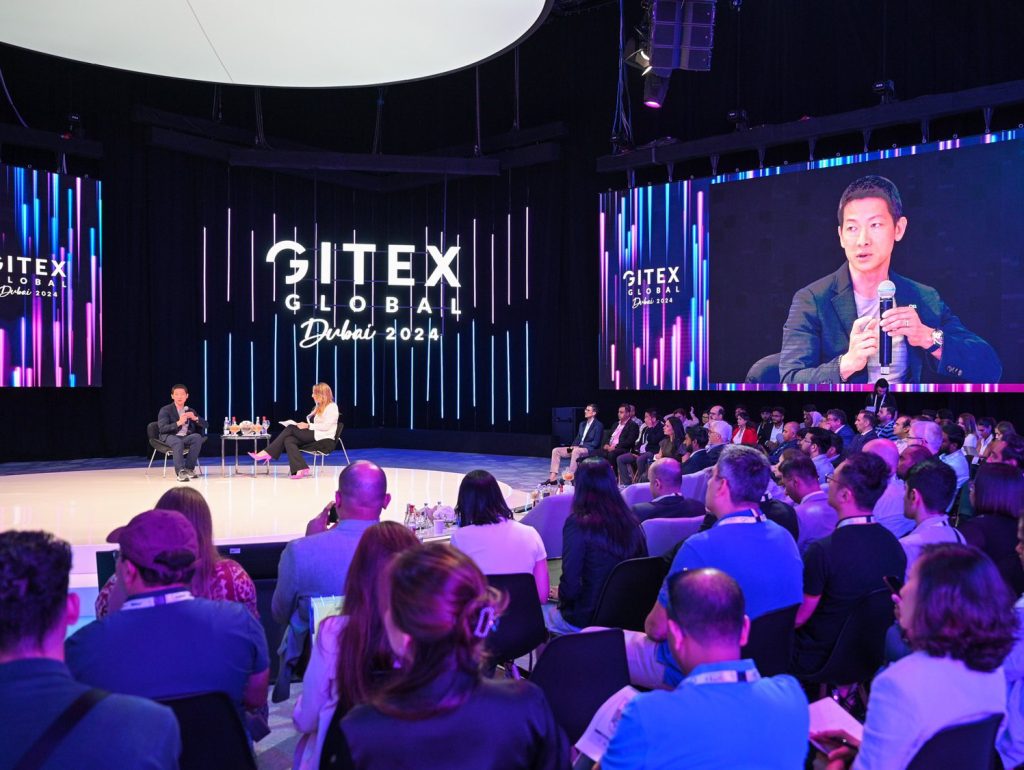
Despite these risks, Xiao sees the biggest opportunity for AI to become a global utility akin to electricity. He highlighted that large portions of the world, particularly in Africa, still lack access to basic infrastructure like electricity and said this must not happen with AI. “Intelligence, through AI, will be as essential as electricity. We need to build the infrastructure to make sure everyone has access to it,” he argued.
To meet this challenge, Xiao said the world must dramatically expand its AI infrastructure, with a current global capacity of around 60 gigawatts of data centres. He estimates that to provide AI to everyone, the world will need to build at least 500 gigawatts of data centre capacity, representing a multi-trillion-dollar investment.