First Abu Dhabi Bank (FAB) reported a net profit of Dh16.4 billion in 2023, a 56% increase on an underlying basis after excluding non-recurring gains from subsidiary stake sales. Total income reached Dh27.8 billion, demonstrating widespread growth across all core businesses.
The Board is proposing a significant cash dividend of Dh7.8 billion, amounting to 71 fils per share, marking the highest payout since 2020. The yearly operating income surged by 32% year-on-year to Dh27.5 billion, fueled by increased business volumes, improved margins, and comprehensive growth across the bank’s various businesses, products, and geographies.
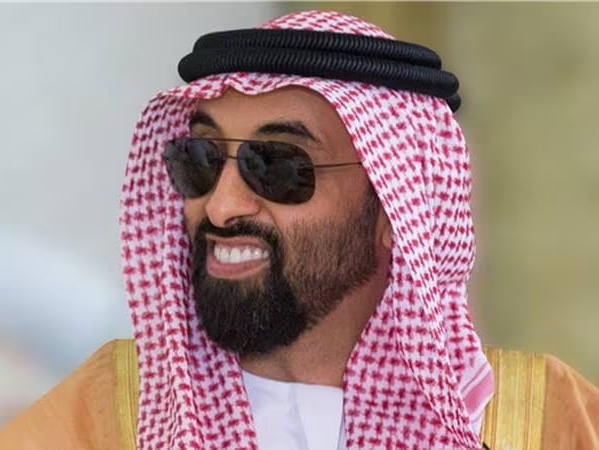
“2023 was an outstanding year for First Abu Dhabi Bank,” said Chairman HH Sheikh Tahnoon Bin Zayed Al Nahyan. “We further consolidated our leading position as one of the largest global banks, with total assets increasing to Dh1.2 trillion and an impressive Return on Tangible Equity (RoTE) in 2023, which represented the culmination of a three-year journey of accelerated business momentum.”
FAB’s non-interest income contributed 34% to group revenue, a rise from 32% in 2022, while net interest income experienced a 27% increase, reaching Dh18.1 billion.
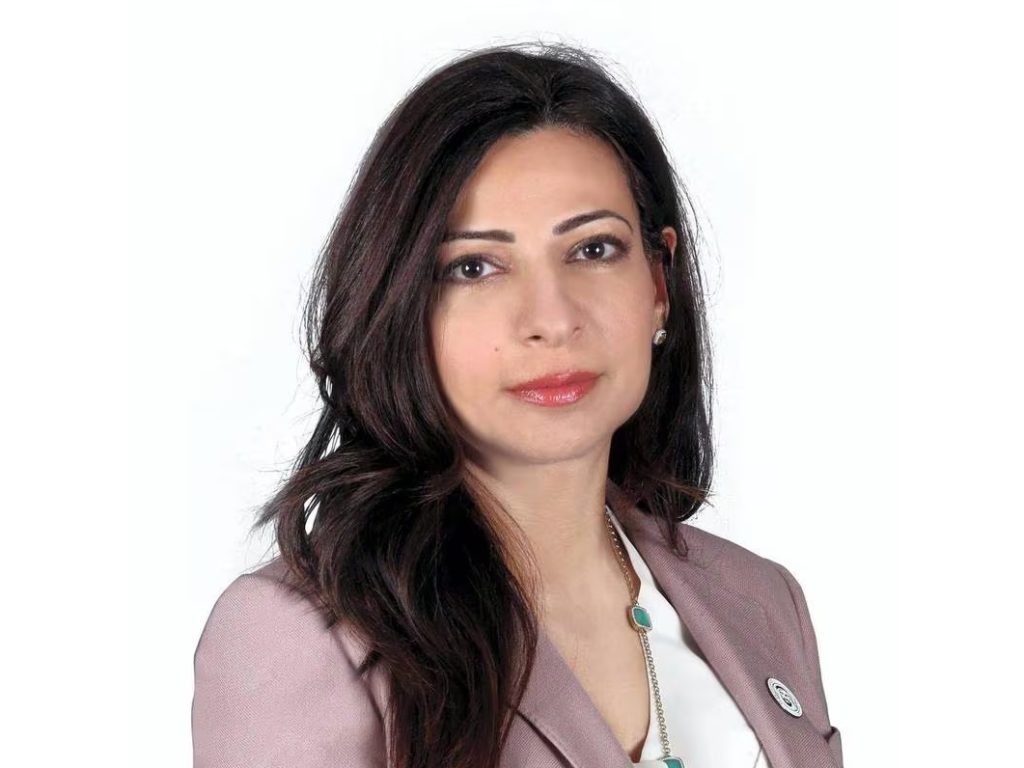
“We have built a strong platform for future growth, one that is ideally placed to facilitate the growing trade and investment flows that support our clients’ ambitions, leaving us well positioned for continued growth, while enhancing sustainable returns to our shareholders,” said Hana Al Rostamani, Group CEO of FAB. “We are determined to be the regional financial institution of choice to current and prospective clients.”
As of December, FAB’s total assets grew by 5% year-on-year to Dh1.2 trillion. Loans and advances increased by 5%, reaching Dh484 billion, and customer deposits rose by 8% year-on-year to Dh760 billion for the same period.
Over the past three years, loans, advances, and Islamic financing collectively saw a 5% year-on-year growth, reflecting the bank’s sustained commitment to facilitating regional financial growth.