
The rhythm of initial public offerings in the Middle East has hardly slowed in 2025. If anything, it has settled into a new maturity. The years of blockbuster privatisations that pulled the Gulf into the centre of global equity markets have given way to a steadier pattern of listings that reflect both state policy and private ambition.
Saudi Arabia remains the anchor of this trend. The Tadawul, once a relatively insular market, has now become the busiest exchange in the region and one of the most active globally. In the second quarter alone, Saudi issuers raised roughly $1.9 billion out of the $2.5 billion collected across the region, according to Kuwait Financial Centre (Markaz). That included the $1.1 billion debut of flynas, the Kingdom’s low-cost airline and the first aviation IPO in the Gulf in nearly two decades. Demand for the stock was strong, with the institutional order book multiple times covered and retail subscriptions showing unusual depth.
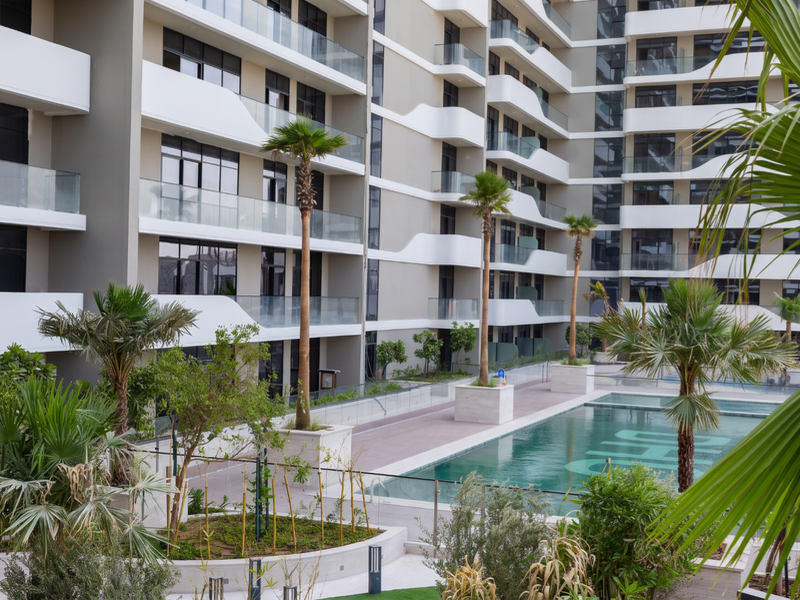
While Saudi Arabia continues to dominate in scale, the UAE is reshaping the character of the regional market. The standout in the second quarter was Dubai Residential REIT, a $584 million vehicle floated on the Dubai Financial Market.
Its arrival gave the emirate its largest real estate investment trust by market capitalisation. It introduced a new model for local investors who want predictable rental income rather than the boom-and-bust profile of development stocks.
Between them, Riyadh and Dubai are driving the market forward. Yet the shape of the activity is evolving. Fewer giant state privatisations are coming to market. Instead, there is a growing mix of sectors ranging from aviation to healthcare, infrastructure and income-producing property. This suggests that the Gulf’s capital markets are broadening beyond oil-linked assets, even as energy remains the foundation of state budgets.
A market that has found its gear
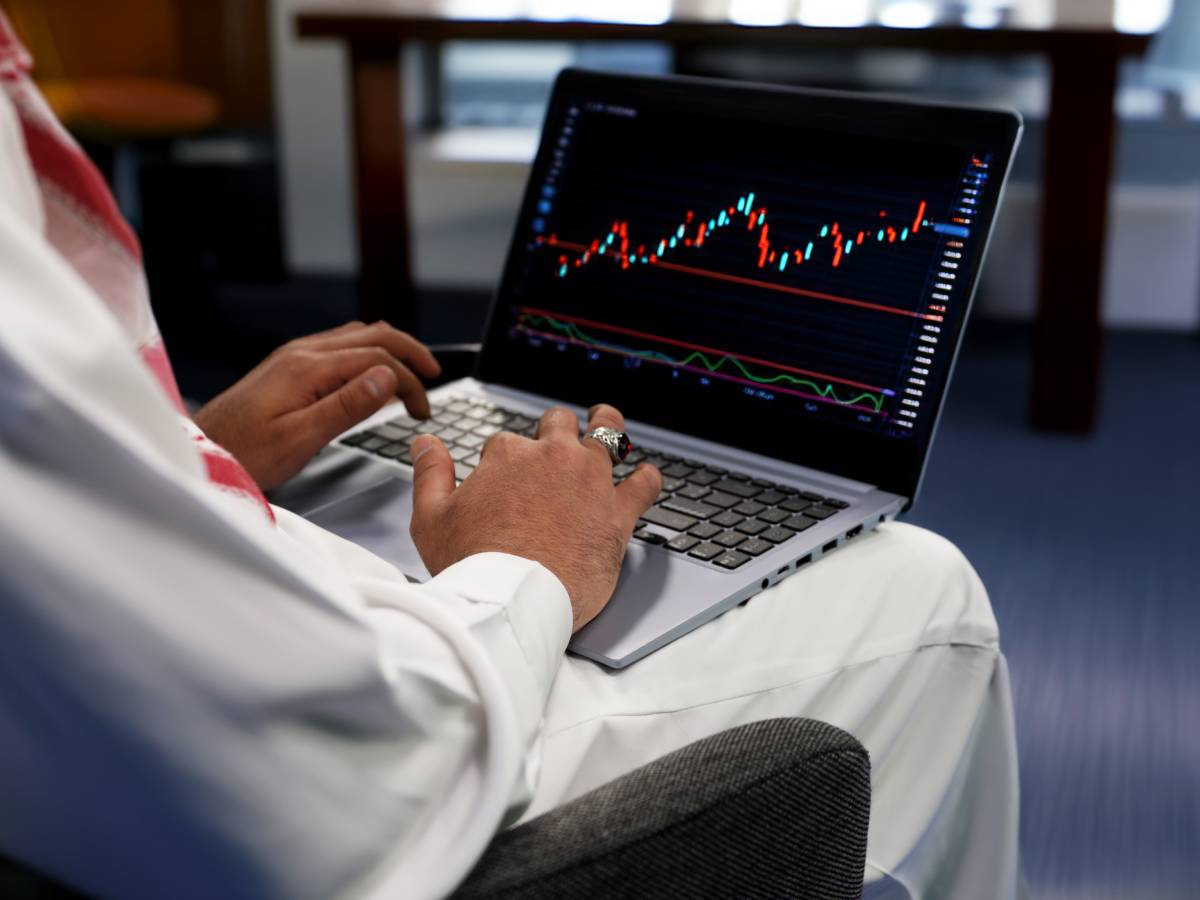
At first glance, the numbers show only modest change. MENA IPO proceeds in the second quarter totalled $2.5 billion, down slightly year on year. For the first half, Markaz puts the tally at $3.4 billion across 24 IPOs, which is 6% lower than the same period of 2024. Yet S&P Global, which uses a broader definition of listings, counts 27 GCC IPOs raising $4.1 billion, up from $3.6 billion a year earlier. Either way, activity has been resilient in a global market that has been cautious, with volatility in rates and geopolitics holding back issuance elsewhere.
The scale may be uneven, but the rhythm is significant. There were 14 IPOs in the first quarter and another 14 in the second. That kind of cadence suggests the market has reached a base level of activity that will sustain interest from investors and bankers alike.
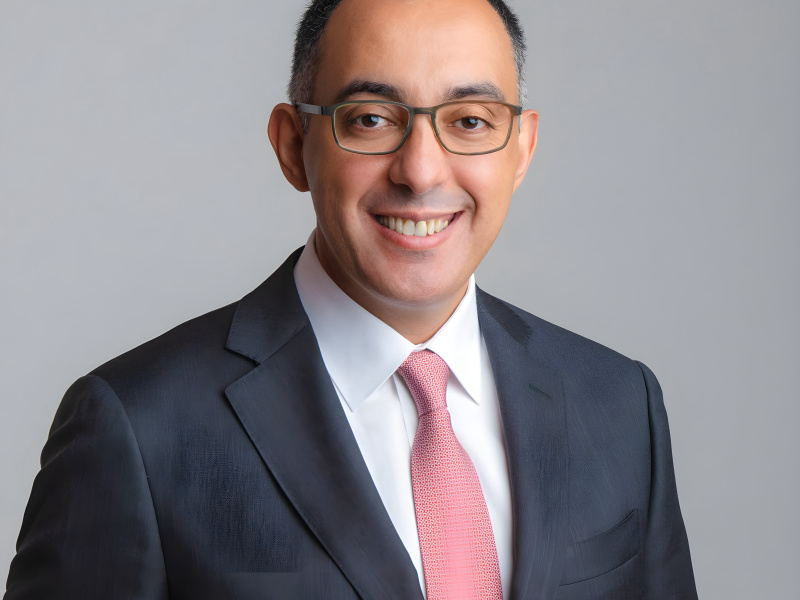
“An IPO is as much a governance milestone as it is a capital markets event,” said Yilmaz Celik, Senior Vice President and FINPRO MENA Leader at Marsh Specialty.
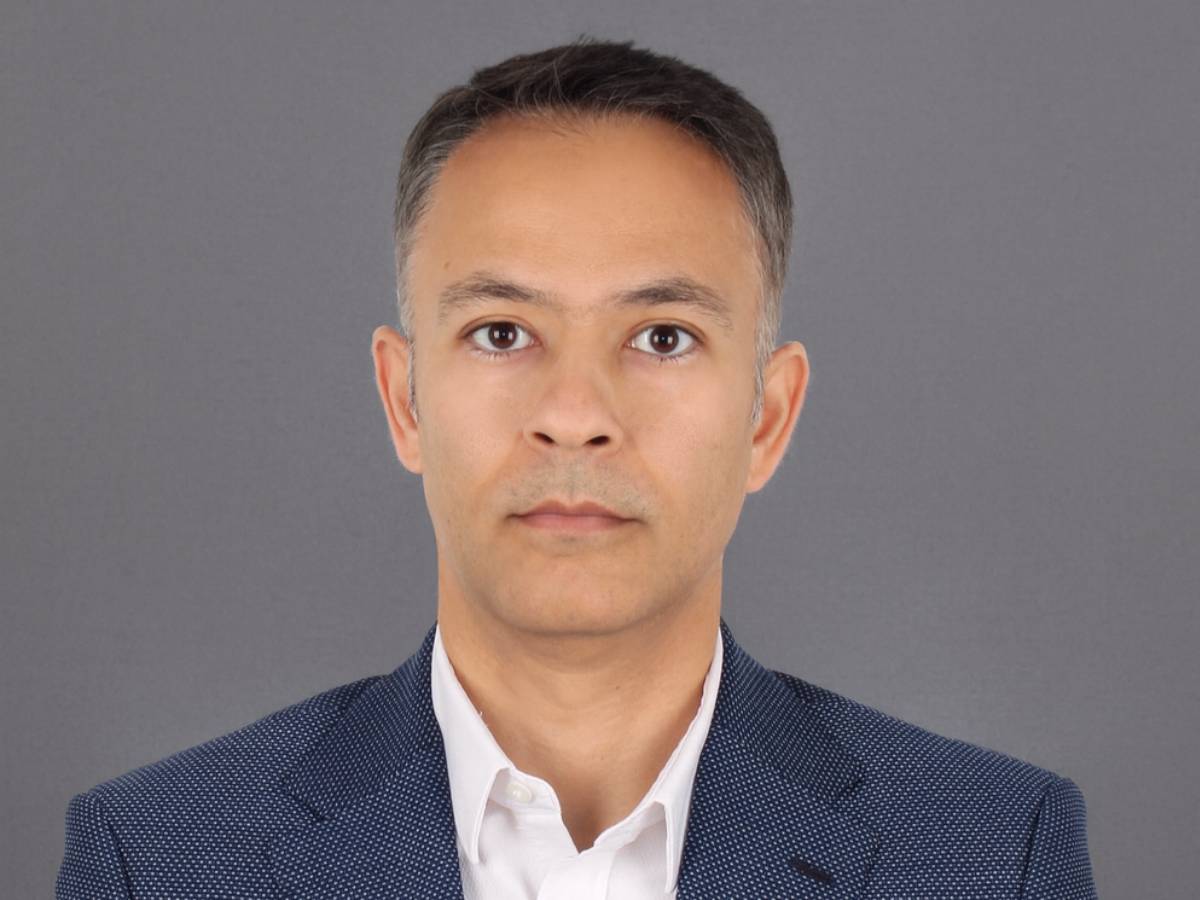
“Well ahead of listing, companies should look to make a number of changes to strengthen board independence, enhance disclosure and reporting processes and ensure compliance frameworks meet local and potential cross-border standards.”
Celik argues that the region’s issuers are learning the hard lessons of execution. Investor relations is starting earlier, management liability cover is being lined up well before prospectuses are filed and disclosure rehearsal is becoming routine. These are the kinds of practices that global funds expect and which local investors are beginning to demand.
Saudi Arabia sets the pace
Both policy and liquidity have cemented Saudi Arabia’s dominance of the regional IPO cycle. The state continues to push privatisations and listings as part of its economic diversification programme, but it is the depth of local capital that underpins demand. Sovereign wealth funds, pension funds and retail investors have created a powerful domestic investor base that can absorb large floats without relying excessively on international allocations.
The flynas offering underlined that strength. Coming in the wake of a series of large healthcare and real estate deals earlier in the year, the airline’s success shows that even sectors hit hard by the pandemic can find investor support if the growth story is credible. For Riyadh, the deal was also a symbol of a market that has become the natural home for Saudi corporates seeking capital, rather than looking abroad.
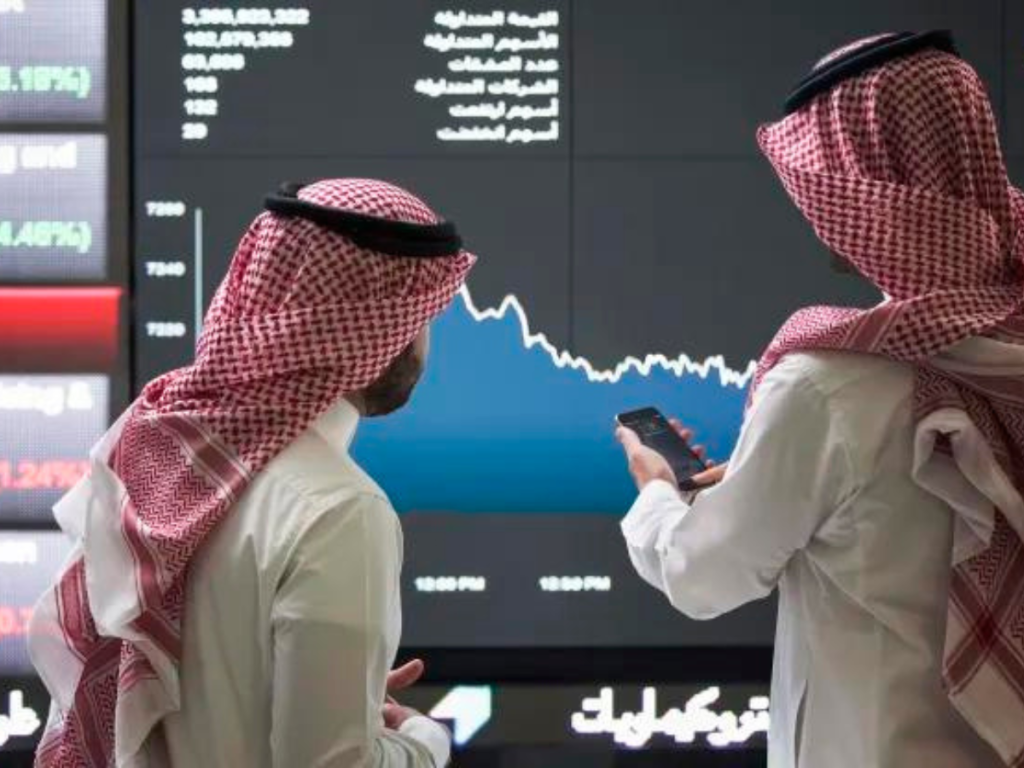
Performance has, however, become more uneven. Broader Saudi equity indices have been softer in 2025 amid swings in oil prices and a rotation of liquidity away from equities into deposits.
That has raised the bar for IPOs to prove themselves after listing. Investors who happily took double-digit first-day gains in 2022 and 2023 are now more focused on dividend policy, earnings visibility and governance.
Dubai’s REIT experiment
In Dubai, the launch of a residential REIT marks a different kind of milestone. The emirate’s markets have long been dominated by property developers and banks, both of which are cyclical and often tied to the fortunes of global credit markets. The new vehicle, launched by Dubai Holding, is designed to deliver quarterly distributions backed by rental income from a portfolio of residential assets.
For investors, this provides a new way to hold exposure to Dubai’s property cycle without the risk of unfinished projects or leverage-driven volatility. For regulators, it is a step towards widening the menu of instruments available to domestic investors and creating a more balanced market.
Dividend yield is central to this story. “Dividend yield is often a major driver of demand,” Celik said. “A credible policy should be backed by realistic financial planning, transparent board decision-making, and strong disclosure.” The REIT model, with its mandated payout ratios, answers exactly that demand.
What can go wrong
The momentum has not erased the risks that surround Middle Eastern IPOs. “Typical issues include inconsistent disclosures, unresolved litigation, governance weaknesses or unclear risk ownership,” Celik said. “These issues can slow the IPO process and can have other impacts including inviting investor scrutiny, which can impact the valuation.”
In practice, these are the stumbling blocks that have tripped up some offerings in the past, causing delays or leading to pricing discounts. With more international funds examining Gulf offerings, the tolerance for loose governance or opaque risk disclosures is declining. That is forcing issuers to invest more in early risk reviews and disclosure planning.
Pricing and performance
The most sensitive question for any IPO is price. Push it too high and the stock will stumble; go too low and value is left on the table. In a region where retail demand is strong and sovereign anchors are influential, the balance can be delicate.
“Pricing is a strategic balance,” Celik noted. “The right approach combines market benchmarking, sector growth forecasts, and operational resilience. Investors are more comfortable with ambitious pricing when they see robust governance, transparent reporting, and risk mitigation and risk transfer in place.”
That last element, risk transfer, often takes the form of public offering of securities insurance, or POSI, which protects companies and directors against claims linked to the prospectus. Celik points out that announcing such a cover ahead of a listing can reassure investors and signal seriousness.
The role of anchors
Anchor investors have been critical to recent Gulf IPOs. Sovereign wealth funds in particular provide a stamp of credibility that attracts other buyers and stabilises order books. Their involvement, however, comes with demands. “Anchor investors, like sovereign wealth funds, bring market endorsement and can stabilise order books,” Celik said. “Their participation often comes with expectations of world-class governance and risk controls.”
This interaction between state anchors and private issuers has helped to enforce higher standards. Companies aiming to secure a cornerstone allocation must demonstrate clean financials, detailed ESG data and robust board structures.
International investors remain selective
Global funds have become more active in Middle Eastern IPOs, but concerns about governance, liquidity and ESG temper their interest. “Interest is growing in the Middle East, but issues like governance transparency, liquidity and ESG practices remain under close watch,” Celik noted. “Issuers with strong reporting standards and robust risk management frameworks stand out.”
For international allocators, this means making selective choices among Gulf deals. The best-prepared issuers can draw blue-chip funds into their books, while others remain largely domestically held. That gap in perception is a powerful incentive for Gulf companies to step up disclosure.
Timing in a volatile world
The timing of an IPO always matters, and in the Gulf, it is doubly sensitive to external shocks. Oil prices, US interest rate decisions and regional geopolitics can all affect investor sentiment. Celik warned that operational readiness is as important as market windows. “In volatile conditions, investors favour issuers with strong governance, stable operations and protections against geopolitical or regulatory shocks,” he said.
That has led many companies to take out broader insurance packages covering management liability, cyber risks and political risks alongside IPO-specific cover. The goal is to demonstrate to investors that no matter the market environment, the company is prepared.
The Gulf IPO pipeline for the second half of 2025 looks varied. Bankers in Riyadh expect more healthcare and industrial listings, while Dubai is considering further REIT and infrastructure vehicles. Abu Dhabi, which saw record proceeds in 2023, has been quieter this year but is still nurturing a handful of government-linked entities towards the market. Oman and Bahrain remain niche, but their steady trickle of listings helps broaden regional participation.
What is clear is that the market is maturing. The heady days of double-digit pops may be fading, but a new normal is taking hold in which governance, dividends and resilience carry more weight than raw hype. That may not make headlines as spectacular as Aramco’s 2019 debut, but it is precisely what will anchor the region’s markets for the long run.
For Saudi Arabia, the IPO cycle remains a pillar of Vision 2030, the economic diversification plan that seeks to channel domestic savings into productive assets and create a deeper capital market. For Dubai, it is about attracting new classes of investors.
The numbers speak to that shift. Fourteen IPOs in the first quarter, another fourteen in the second. Between $3 and $4 billion raised in the first half, depending on whose count you use. Saudi Arabia is still dominant, but the UAE is increasingly relevant.
The Middle East has carved out a seat at the global IPO table. The challenge now is to keep it, not by repeating blockbusters, but by delivering consistent, credible deals that can weather volatile oil prices and unsettled geopolitics. That is what investors will look for in the second half of 2025 and beyond.