In the Gulf Cooperation Council (GCC) region, wealth management is increasingly focused on intergenerational wealth transfer. Daniel George, Head of Business at St. James’s Place Middle East, noted, “With a significant portion of wealth in the Gulf Region still concentrated in the hands of first-generation wealth creators, we are seeing an increasing emphasis on intergenerational planning, wealth transfer, and succession planning.”
As families grow more globally oriented, managing wealth across multiple jurisdictions has become more complex. Investors with financial footholds in regions including the Middle East, Asia Pacific, the UK and Europe demand wealth management solutions that address their increasingly sophisticated financial needs.
Sustainability and impact investing
Sustainability is becoming a key consideration, particularly among younger generations of investors. There has been a noticeable shift towards investments that have a social and environmental impact. “The younger generations of investors are increasingly considering how they can create impact, which is particularly prevalent among next-gen investors,” George remarked.
This trend pushes wealth management firms to incorporate environmental, social, and governance (ESG) criteria into their advisory services. The focus on sustainability reflects a broader change in investor priorities, where returns are balanced with the desire to contribute positively to society.
Digital solutions and the role of AI
Another significant trend is the adoption of digital solutions. Collaborations between fintech firms and traditional wealth management institutions are leading to the development of digital tools that enhance the client experience and adviser capability. Artificial intelligence (AI) is being increasingly used to provide hyper-personalised services.
Despite these advances, George emphasised the continuing importance of personalised advice: “We believe face-to-face, trusted, individualised advice tailored to individual circumstances, risk appetites, and more importantly emotions, will remain key, if not grow in importance.”
The influx of wealth management firms in the GCC
The GCC is becoming a magnet for wealth management firms due to its growing number of high-net-worth individuals (HNWIs) and ultra-high-net-worth individuals (UHNWIs). The region is expected to become the fourth largest wealth hub globally, driven by a projected 25% increase in UHNWIs over the next five years.
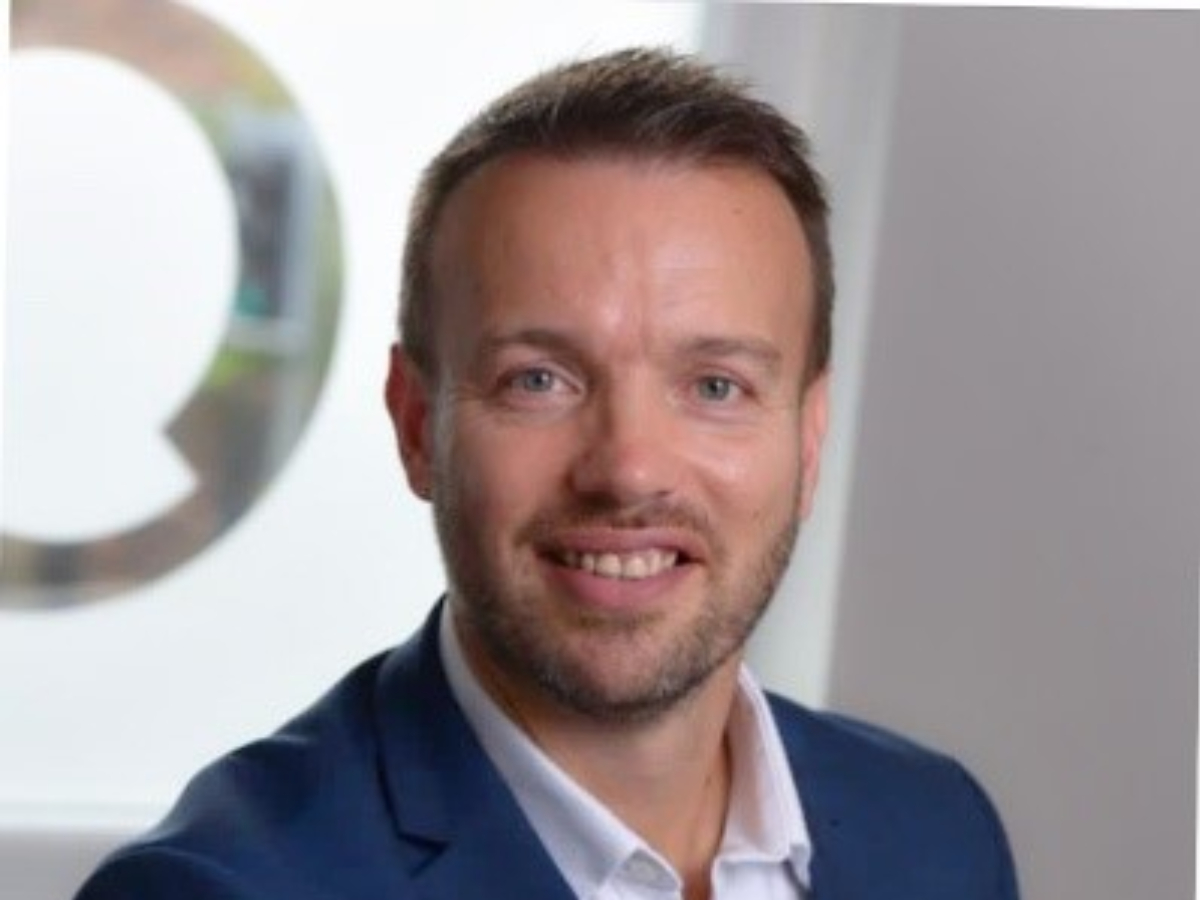
George highlighted the region’s attractiveness, stating, “Countries in the Gulf region with their strategic locations, favourable business policies, robust regulatory frameworks, and the attractive golden visa system have also become magnets for HNWIs, UHNWIs, and career expats.”
Investment opportunities and sectoral trends
Economic diversification efforts, technological advancements and sustainability initiatives are shaping investment opportunities in the GCC. Key sectors include renewable energy, digital transformation and real estate. George noted that the GCC region presents several promising investment trends driven by economic diversification efforts, technological advancements, and sustainability initiatives.
However, he also warned against common investment pitfalls, advising, “It is crucial that investors do not find themselves chasing trends and continue to prioritise the fundamentals—earnings growth prospects, risks and pricing—of individual investments.”
Addressing the needs of the next generation of investors
The region’s next generation of HNWIs has priorities that are different from those of their predecessors. They demand digital access, transparency, and a focus on sustainability. Wealth management firms are responding by leveraging technology to offer more interactive and real-time services.
George explained, “Wealth managers are also increasingly integrating ESG considerations into their advisory services whilst placing greater focus on how they behave as responsible corporate citizens.”
Emerging markets within the Middle East
Emerging markets within the Middle East, such as Saudi Arabia, present significant opportunities for wealth management firms. These markets invest heavily in renewable energy, technology, tourism and healthcare sectors, making them attractive for foreign investment.
Angelina Lai, Chief Investment Officer – Asia & Middle East at St. James’s Place, observed, “Emerging markets within the Middle East present significant opportunities due to their significant investment to attract foreign talents. Sectors like renewable energy, technology, tourism, and healthcare are ripe for investment.”

The role of family offices
Family offices are increasingly important in managing the wealth and investments of UHNWIs and HNWIs in the Middle East. These offices offer a broader range of services, including wealth transfer planning, tax advice and sustainable investing.
With a growing number of UHNW individuals, the GCC’s wealth landscape fosters the growth of family offices. These entities provide comprehensive wealth management solutions tailored to the region’s complex needs of affluent individuals and families.
The wealth management landscape in the GCC is undergoing significant changes. The region is positioning itself as a global wealth hub by emphasising intergenerational wealth transfer and integrating digital solutions to the influx of wealth management firms and emerging investment opportunities. As these trends continue to evolve, wealth management firms must adapt to meet the changing needs of their clients, ensuring they provide tailored, comprehensive solutions that address both local and global financial landscapes.