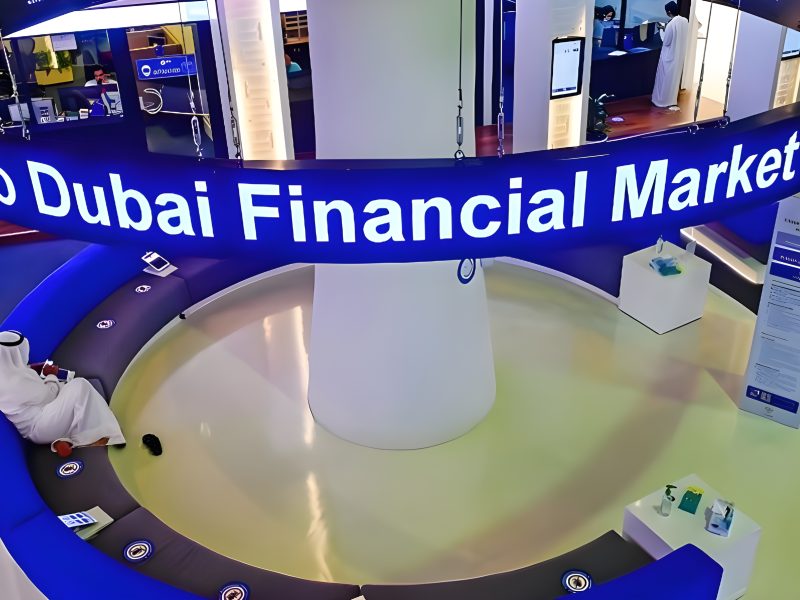


The investment landscape offers a range of strategies, where traditional investments continue to be fundamental in many portfolios, now complemented by new assets that aim for consistent gains. The key is to invest in the right asset at the right time, which requires a clear understanding of the available options.
Historically, investors have engaged in financial markets known for their liquidity, facilitating the ease of buying and selling assets. Stocks, or equities, represent fractional ownership in a company and are traded on stock exchanges, allowing companies to raise funds by issuing shares to investors. Investors, or shareholders, stand to gain through dividends—a share of the company’s profits—or through capital gains by selling the stock at a price higher than its purchase price.
Stocks, as one of the earliest forms of financial instruments, have been favoured since the inception of the Dutch East India Company, the first company to issue shares publicly. In the debt market, bonds are utilised by governments and corporations to finance long-term initiatives, offering investors steady interest payments. As fixed-income securities, bonds provide predetermined returns throughout their duration. In contrast, short-term fixed-income assets like treasury bills and commercial papers offer similar fixed-interest returns over shorter periods. Liquid assets, including treasury bills and commercial papers, are crucial for managing financial liquidity due to quick convertibility into cash.
New-age investments
New-age investments are redefining the financial landscape, tailored for the digital age’s challenges and opportunities. Cryptocurrencies are at the forefront of this shift, serving as novel currency forms and investment assets, while crowdfunding platforms democratise the funding of innovative ventures by enabling broad stakeholder participation. Exchange-traded funds (ETFs) offer investors diversified exposure across numerous sectors, from renewable energy to biotechnology, by pooling money into funds that trade like stocks on exchanges. Environmental, Social and Governance (ESG) investments prioritise ethical practices and sustainable goals alongside financial returns, resonating with investors who value corporate responsibility.

The investment landscape is further diversified by introducing derivatives—financial instruments whose value is based on underlying assets such as stocks, bonds or commodities. These tools offer sophisticated strategies for investors looking to manage risk or engage in speculation on price movements without directly owning the underlying assets. Additionally, the realm of alternative assets is broadening, encompassing private equity, hedge funds and tangible collectibles such as art and wine, offering a more comprehensive array of investment opportunities. The emergence of Non-Fungible Tokens (NFTs) and virtual real estate presents unique avenues for owning digital assets and properties in the digital sphere. Meanwhile, fintech advancements are revolutionising how investments are accessed and managed, providing innovative solutions for investors.
A mix of both
To navigate the current market’s ebb and flow, investors are encouraged to combine the stability of traditional assets with the dynamism of new-age investments. This synthesis seeks to balance the predictable performance of stocks and bonds with the growth opportunities in digital assets and alternative investments.