In the world of stock trading, where milliseconds can make or break fortunes, day trading stands out as the pinnacle of rapid decision-making. It’s a high-stakes game where every move counts, and success hinges on timely insights and swift execution.
In this fast-paced environment, the role of data analytics cannot be overstated. Binding the power of data analytics is not just an advantage; it makes the difference between thriving and merely surviving in the cutthroat realm of day trading.
Data analytics can empower day traders to recognise socioeconomic shifts, detect trends, and make informed decisions in real-time. Gone are the days of relying solely on gut instinct or outdated information. With advanced analytics tools or a vigilant data analyst, traders can leverage vast amounts of data to gain a competitive edge on frequent stock trades.
It’s important to note that nothing is 100% predictable, and we have learned that due to the recent pandemic. Thorough analytics enables traders to make more precise predictions and execute trades with greater confidence to a large extent. Data analysts can monitor various sources of market sentiment, including news articles, social media posts and earnings reports. Analysts can gauge investor sentiment towards stocks or sectors by analysing the tone and content of these sources. For instance, a sudden boost in positive news coverage or social media mentions may indicate growing bullish sentiment, prompting traders to consider long positions.
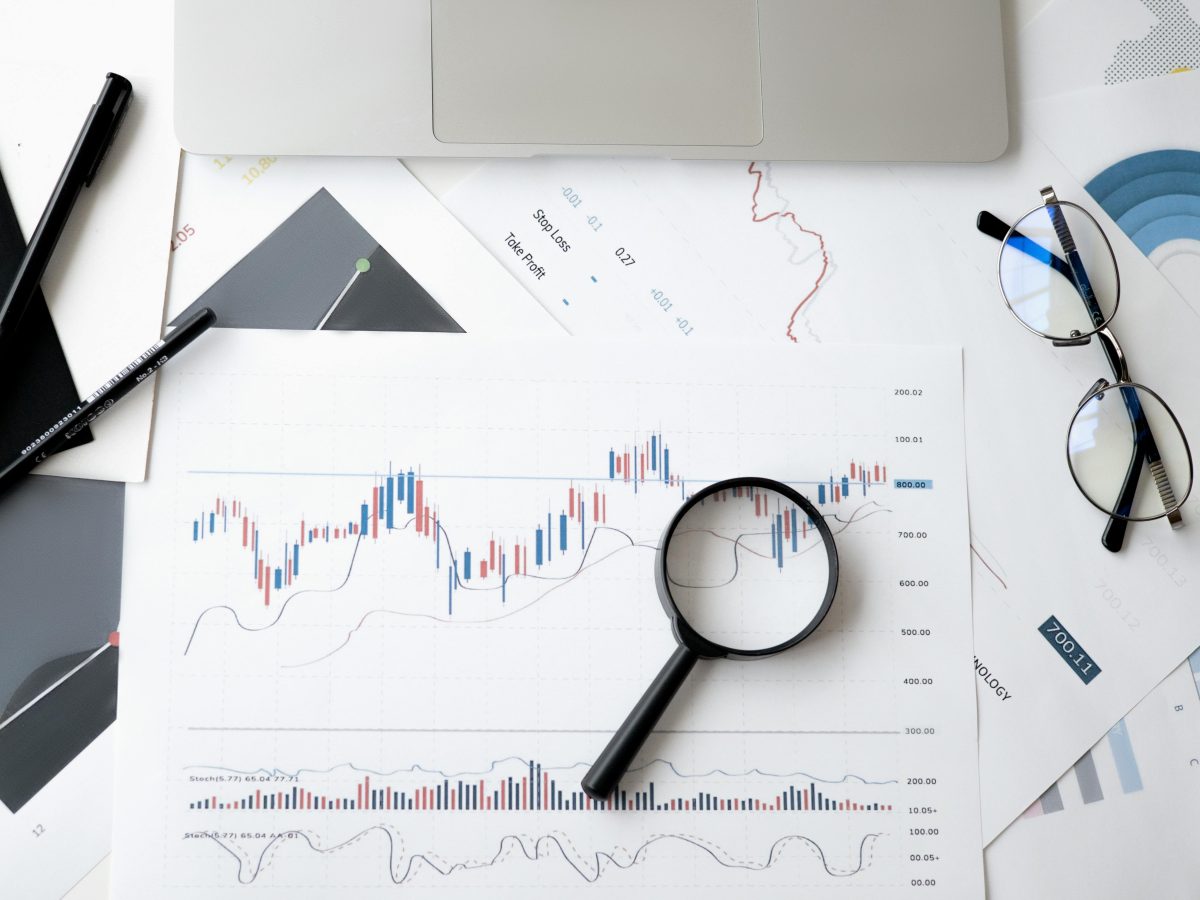
One of the primary benefits of data analytics in day trading is its ability to find hidden opportunities and mitigate risks. With historical market data analysis, traders can identify recurring patterns and anomalies that may signal lucrative trading opportunities. Whether spotting emerging trends or detecting recent inefficiencies, data analytics gives traders the insights they need to capitalise on fleeting market movements.
Considering the significance of pattern recognition in this line of work, data analytics also plays a crucial role in risk management. Day trading is inherently risky, with the potential for substantial losses in minutes. However, traders can proactively manage risk and protect their capital by analysing key risk indicators and market volatility metrics.

Whether setting stop-loss orders or dynamically adjusting position sizes, data-driven risk management strategies are essential for navigating the unpredictable shifts of day trading. Performance of past trades and evaluation of the effectiveness of different strategies, traders can respond cautiously to changing market conditions.
It’s worth noting that the benefits of data analytics extend beyond individual traders and into the broader market ecosystem. Analytics platforms or freelance data analysts can identify market trends and sentiment shifts that may impact stock prices by aggregating and analysing data from multiple sources. This macroscopic view of the market enables traders to validate their gut feeling with hard evidence.
As the pace of trading continues to accelerate, data analytics and dynamic digital and manual pattern recognition will undoubtedly remain a cornerstone of success for day traders seeking to stay ahead of the game. The field is constantly innovating ways to utilise and quantify data.