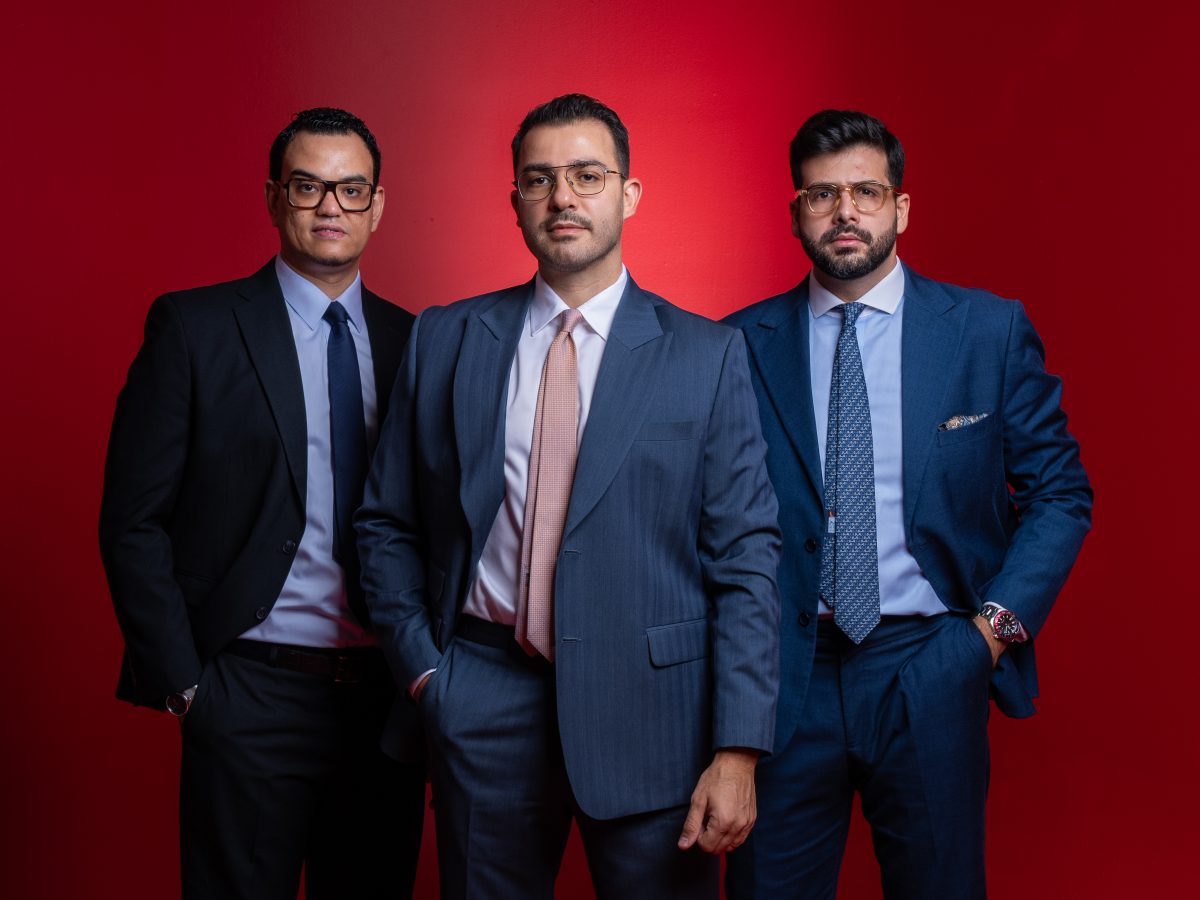
The forex trading market is undergoing significant transformation globally, influenced by geopolitical tensions, regulatory developments, technological advancements and changing consumer behaviour. At the same time, forex traders are constantly navigating new challenges while seeking innovative strategies to stay ahead. A global leader in forex trading, Tickmill’s leadership team, comprising Managing Director Joseph Dahrieh, Head of Partnerships MENA Elie Tarabay, and Regional Marketing Manager Mohamed Abdelbaki, shared their perspectives on the key trends driving the forex industry and the strategies that will define success in this evolving space.
Geopolitical forces drive volatility
At the heart of any discussion about forex markets today is the undeniable influence of geopolitical tensions and shifting economic policies. According to Joseph Dahrieh, Managing Director at Tickmill, these forces are among the most significant drivers of market volatility. “The forex market is highly sensitive to global events, and we’ve seen this play out repeatedly in recent years,” Dahrieh explained. “From trade wars and political instability to changes in monetary policy by central banks, these factors can lead to rapid and sometimes unpredictable currency fluctuations.”
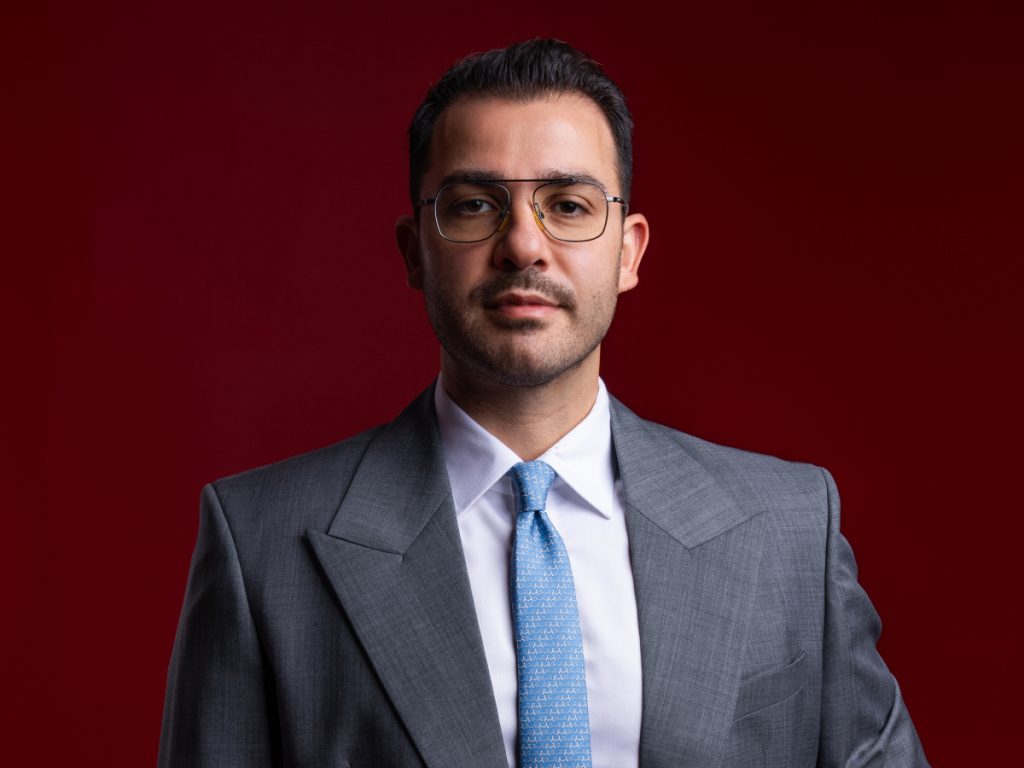
The interconnectedness of global economies means that even small changes in one region can have a ripple effect across currency markets worldwide. For instance, tensions between major economic powers like the US and China and events such as Brexit have caused notable currency swings, creating risks and opportunities for forex traders. “In such a volatile environment, traders must adopt strategies that allow them to navigate these fluctuations effectively,” Dahrieh advised.
He also emphasised the importance of diversification as a key risk management strategy. “By spreading investments across multiple currency pairs, traders can reduce their exposure to any single geopolitical event. This helps mitigate risks and ensures that they aren’t overly reliant on the performance of one currency,” Dahrieh explained.
However, diversification alone is not enough. Traders are also turning to hedging techniques, utilising financial instruments such as options and futures to protect against adverse currency movements. “Hedging allows traders to offset potential losses in one position with gains in another,” Dahrieh noted, underscoring the importance of sophisticated risk management protocols in today’s trading environment. Tools such as stop-loss orders, which automatically trigger the sale of a position when it reaches a certain price, and limiting leverage are essential to safeguard portfolios from unexpected market shifts.
Dahrieh also pointed to the growing reliance on both fundamental analysis and technical analysis in the current forex trading landscape. “Fundamental analysis involves staying informed about geopolitical developments and economic indicators to make well-informed trading decisions,” he explained. Technical analysis, on the other hand, allows traders to study historical price movements and identify trends, enabling them to anticipate potential market reversals. “The combination of both approaches gives traders a more comprehensive understanding of market movements, allowing them to react quickly and effectively.”
Regulatory changes in the MENA region
While geopolitical tensions dominate the broader market landscape, the regulatory environment, particularly in the MENA region, presents its own set of challenges and opportunities for forex traders. Elie Tarabay, Tickmill’s Head of Partnerships MENA, emphasised that the regulatory frameworks governing forex trading in the region have evolved significantly in recent years. “There has been a concerted effort by regulators to enhance market transparency, protect investors, and ensure financial stability,” Tarabay explained.
He pointed out several key regulatory developments that traders must be aware of, including enhanced licensing requirements for brokers. “Regulators in the MENA region are imposing stricter criteria to ensure that brokers meet high standards of financial integrity and operational competence,” he noted. This has been accompanied by the introduction of investor protection measures, such as segregated client accounts and mandatory risk disclosures, designed to safeguard traders’ funds and ensure that they are fully informed about the risks involved in forex trading.

Compliance with anti-money laundering (AML) and Know Your Customer (KYC) regulations has also become a top priority for forex brokers operating in the MENA region. “Regulators are tightening AML and KYC protocols to prevent illicit activities and align with international standards,” Tarabay explained. Additionally, there has been a push to impose limits on leverage, with the aim of reducing the risk of significant losses for retail traders. “Leverage can be a powerful tool, but it can also amplify losses if not managed correctly. Limiting leverage is an important step in protecting traders from excessive risk,” he added.
Transparency is another cornerstone of the evolving regulatory landscape. “Regulators are mandating greater transparency in pricing and execution practices,” Tarabay highlighted, adding that by fostering a fairer trading environment, these regulations are not only protecting traders but also strengthening the overall credibility of the forex market in the region. For traders, staying informed about these changes and ensuring that they work with compliant, regulated brokers is crucial for navigating the MENA market effectively.
Technology’s transformative role
Beyond geopolitics and regulation, one of the most profound shifts in the forex industry has been driven by technological advancements. The rise of Artificial Intelligence (AI), blockchain, and other emerging technologies is reshaping how traders approach the market. “Technology is revolutionising forex trading,” said Dahrieh, adding that traders now have access to tools and platforms that were unthinkable just a few years ago.
Algorithmic trading, powered by AI, has become one of the most significant trends. “AI-driven algorithms can analyse vast amounts of data at lightning speed to identify trading opportunities and execute trades at optimal times,” Dahrieh explained. Predictive analytics, another AI-driven capability, is helping traders forecast market trends based on historical data, improving the decision-making process. “AI allows traders to gain insights that would be impossible to detect manually, giving them a significant edge in the market,” he added.
Blockchain technology is also making waves in the forex industry, particularly in the areas of security and transparency. “Blockchain’s decentralised and immutable ledger provides increased security for transactions, reducing the risk of fraud,” said Tarabay. By facilitating more transparent and efficient settlement processes, blockchain technology is helping lower transaction costs and settlement times, making forex trading more accessible and efficient. Smart contracts, enabled by blockchain, can automatically execute trades and settlements based on predefined conditions, streamlining operations for traders.
Despite the significant opportunities presented by AI and blockchain, Tarabay acknowledged that these technologies also come with their own set of challenges. “Ensuring that AI and blockchain technologies comply with existing regulations can be complex,” he noted. Additionally, while blockchain enhances security, integrating new technologies often introduces new vulnerabilities. “Cybersecurity risks are ever-present, and traders and companies alike need to remain vigilant,” Tarabay advised.
Evolving behaviours
As technology transforms the forex trading landscape, it is also influencing traders’ behaviour. Mohamed Abdelbaki, Regional Marketing Manager at Tickmill, observed that consumer behaviour in forex trading has undergone significant changes in recent years, largely driven by the market’s increasing accessibility. “The proliferation of online trading platforms and mobile applications has made forex trading more accessible to a broader audience, particularly retail traders who may not have engaged in the market previously,” he explained.
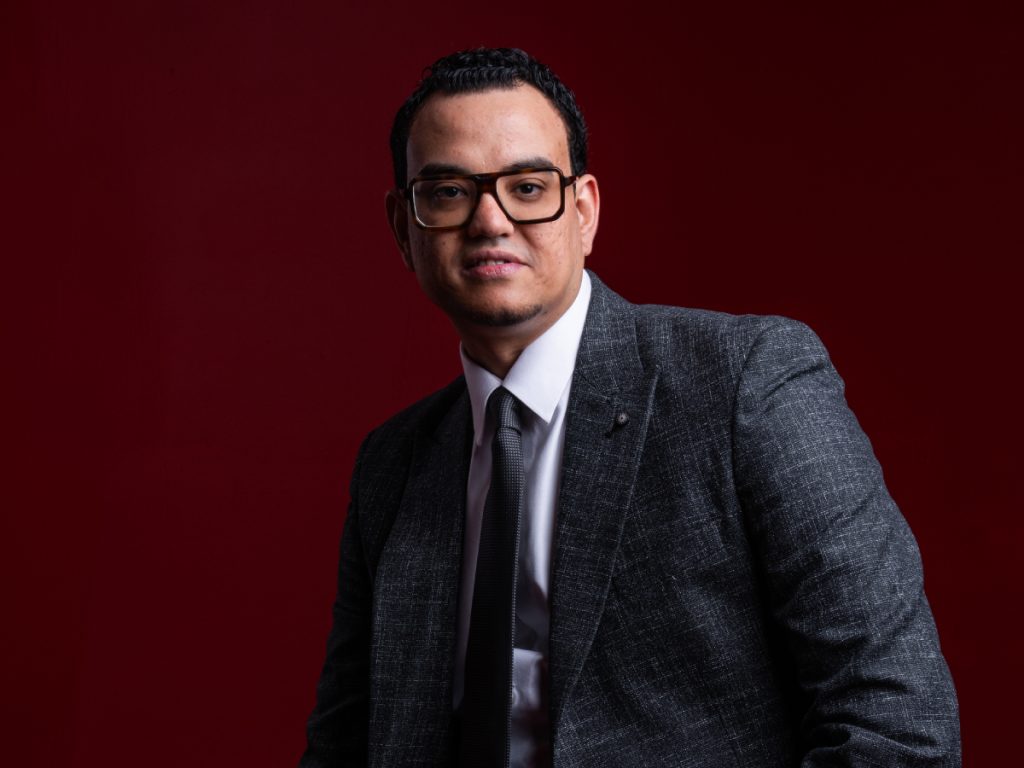
This increased accessibility has led to a more informed and demanding group of traders. “With the abundance of information available online, traders are more educated and expect greater transparency and advanced analytical tools from their trading platforms,” Abdelbaki noted. He added that the shift towards automation—in the form of algorithmic trading and copy trading—has been one of the most notable changes in recent years. “Many traders prefer automated trading solutions that allow them to execute strategies without constant manual intervention,” he stated.
In addition to automation, traders are also looking for personalisation. “Traders today expect personalised experiences, including customised interfaces and tailored trading strategies that meet their specific needs and preferences,” Abdelbaki said. This demand for personalisation extends to customer support as well. “Personalised, multilingual customer support is increasingly important, particularly in regions like the MENA where traders come from diverse backgrounds and have different expectations,” he added.
Security and trust remain paramount for traders, especially given the growing awareness of cybersecurity risks. “Consumers are prioritising platforms that offer robust security measures and operate under strict regulatory oversight,” Abdelbaki explained. This focus on security is reflected in the rise of social trading platforms, where traders can follow and replicate the strategies of successful peers. “The trend towards community-driven trading reflects the broader desire for shared knowledge and trust within the trading community,” he noted.
Along the same vein as Dahrieh, Abdelbaki also pointed out the continued development of advanced trading platforms, mobile solutions and AI-driven analytics that will define the next growth phase for the industry. “Digital transformation is not just about making trading more efficient—it’s about creating better user experiences and enhancing the overall value proposition for traders,” he said.
The rise of mobile trading is a prime example of how technology is changing the game. “Mobile technology allows traders to access markets and execute trades from anywhere, offering a level of flexibility and convenience that was previously unimaginable,” Abdelbaki explained. With mobile penetration particularly high in regions like the MENA, developing robust mobile trading solutions has become a top priority for companies like Tickmill.
Cloud computing is also playing a crucial role in digital transformation by providing scalable and cost-effective infrastructure for trading platforms. “Cloud-based solutions allow companies to offer more reliable and accessible trading services while keeping costs in check,” he noted.
But digital transformation is not just about technology. It’s also about collaboration. Tarabay emphasised the importance of partnerships within the financial services industry to drive innovation. “By partnering with fintech companies, technology providers and even regulatory bodies, the forex industry can continue to develop cutting-edge solutions,” he elaborated. From AI-driven trading platforms to blockchain-enabled security features, collaboration is fuelling some of the most exciting advancements in forex trading today.
The path forward
As the forex market continues to evolve, one thing is clear: traders and companies alike must remain agile, innovative and forward-thinking to succeed. Whether it’s navigating the complexities of geopolitics, adapting to new regulatory landscapes or embracing the latest technological advancements, the future of forex trading will be defined by those who can stay ahead of the curve.
For Tickmill, this means continuing to invest in technology, fostering strategic partnerships and always keeping the needs of traders at the forefront. “Our focus is on providing traders with the tools, support, and security they need to succeed in an increasingly complex market,” Dahrieh concluded. As the forex industry looks to the future, companies like Tickmill will continue to lead the way, shaping the next generation of trading experiences.