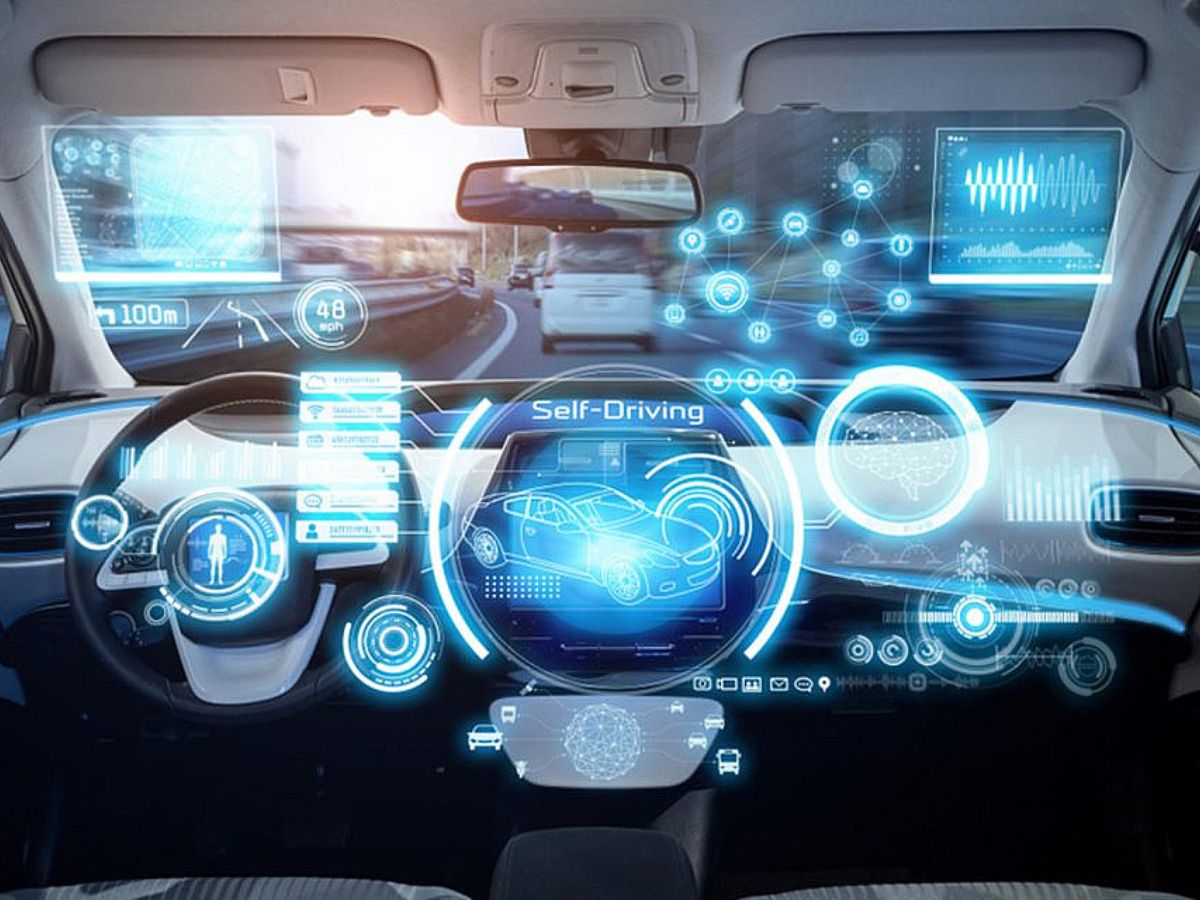
About 9.4% of Dubai’s total transportation is currently autonomous, with the government targeting to grow that number to 25% by the end of the decade.
The data was provided by Mattar Al Tayer, Commissioner-General for Infrastructure, Urban Planning and Well-Being Pillar and Director-General and Chairman of the Board of Executive Directors of the Roads and Transport Authority (RTA) in a statement to the Emirates News Agency (WAM) on the sidelines of the World Governments Summit 2024.
Driverless cars
Dubai has already made great strides in the promotion of self-driving forms of transportation, Al Tayer added. The emirate recently carried out the first trial run of the self-driving Chevrolet Bolt electric vehicles, making Dubai the first city in the world outside the US to operate the company’s self-driving vehicles.
Currently, there are five driverless vehicles in Dubai, undergoing testing under the supervision of a safety driver. The number of these cars is expected to increase gradually within the next 10 months.
The autonomous service will be launched to the public later this year, through a dedicated application to use, Al Tayer said.
Air taxis
Dubai’s Road and Transport Authority (RTA) has also signed agreements with Skyports Infrastructure (Skyports) and all-electric aircraft company Joby Aviation to launch passenger air taxi services in Dubai by 2026. Once launched, the service would make Dubai the first city in the world to have air transport in urban areas.
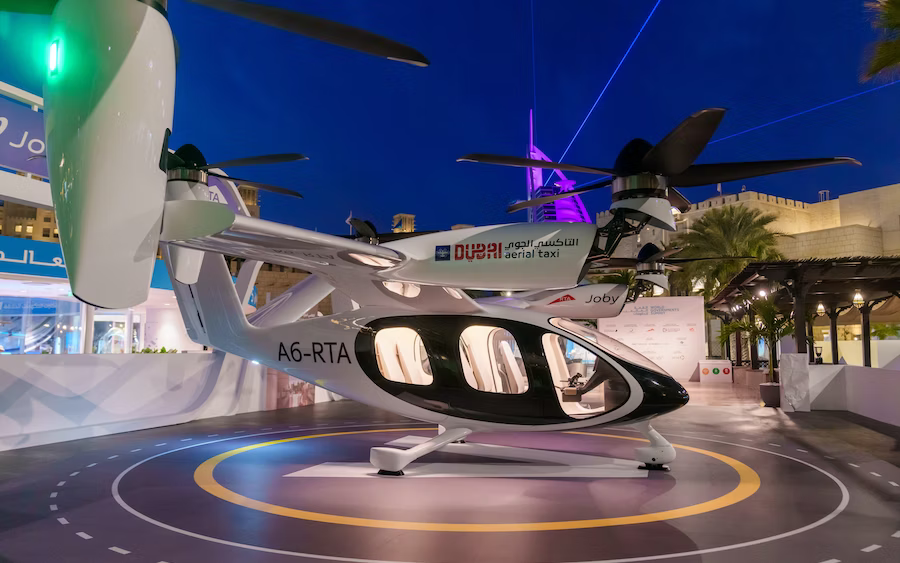
The service could rely on the Joby Aviation S4 model the RTA is currently showcasing. The taxi is equipped with six propellers and four battery packs, enabling it to cover a maximum distance of 161km and reach a top speed of up to 321km per hour.
Four areas of the city have been chosen to build air taxi stations that would operate through vertical take-off and landing (VTOL) systems, known as vertiports. The locations are Dubai International Airport, Palm Jumeirah, Downtown Dubai and Dubai Marina.