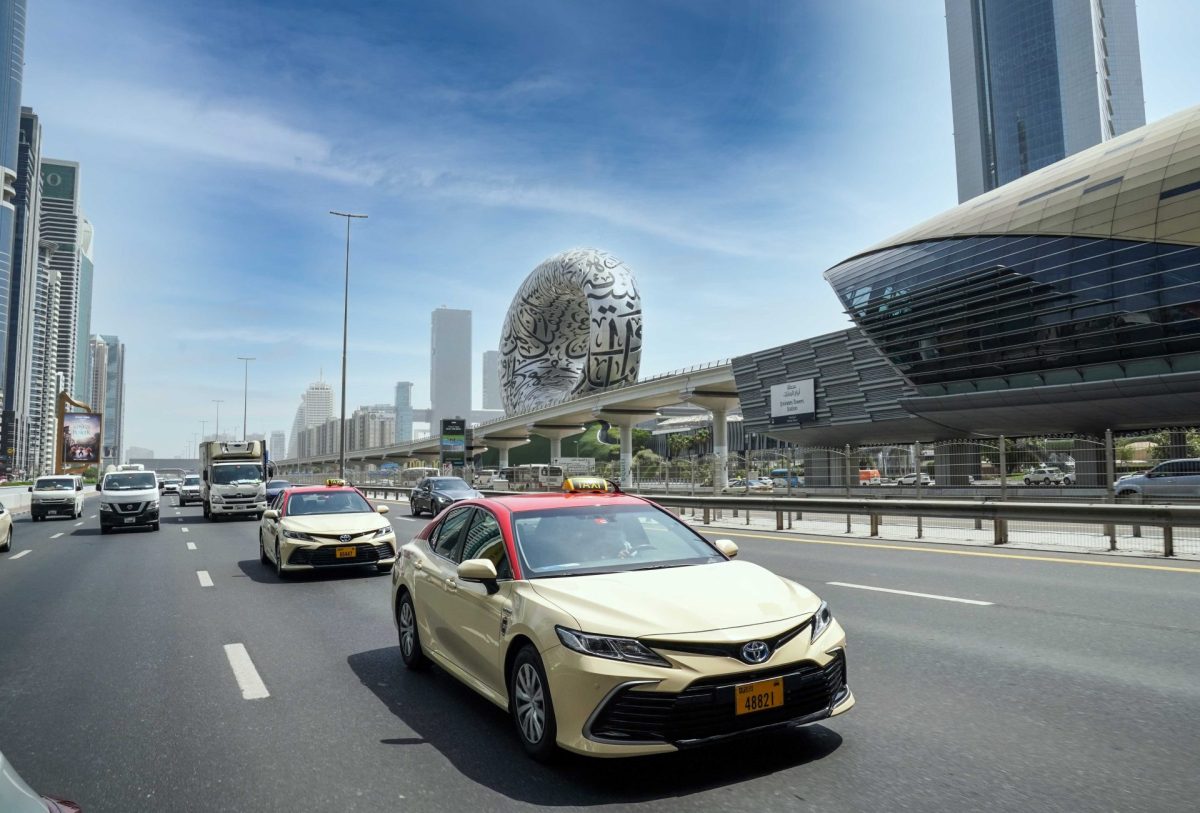
Dubai Taxi Company witnessed a notable 11% surge in its 2023 revenue to Dh1.95 billion, attributed primarily to the robust performance of its taxi segment, fuelled by an increase in trip numbers. The company’s fleet size surpassed 7,400 vehicles by the end of 2023, with its taxis and limousines collectively completing 46 million trips, marking an 8% increase compared to the previous year.
This revenue uptick translated into a remarkable 55% year-on-year rise in EBITDA, reaching Dh490.5 million, with a margin of 25%, up by seven percentage points. Notably, the company’s net profit for 2023 reached Dh345.3 million, marking a substantial 54% increase from the previous year and a free cash flow of Dh129 million.
“Our strong inaugural set of results following our successful IPO on DFM in December 2023, highlights the strength of our business, which is underpinned by the growth of Dubai, our market leading position and a supportive regulatory environment,” said DTC’s Chairman, HE Abdul Muhsen Ibrahim Kalbat. “DTC has a well-defined vision and strategy that capitalises on Dubai’s ambitious urban development and robust resident and tourism growth, ensuring we are well positioned to deliver long-term growth and value creation for our shareholders.”
DTC maintained a robust balance sheet throughout the year, evidenced by its highly favourable net debt to EBITDA ratio of 1.3x. Additionally, the company secured a Dh1.0 billion term loan with a 5-year maturity and a revolving credit facility of Dh200 million, which remained untouched in FY 2023.
Furthermore, the board of directors approved issuing DTC’s inaugural dividend of Dh71 million for Q4 2023, equating to 2.84 fils per share, subject to shareholder endorsement.
DTC’s CEO, Mansoor Rahma Alfalasi, added: “During the year we continued to make strides with our strategic priorities, expanding our fleet and implementing smart technologies to drive efficiency across segments.”
In December 2023, DTC raised Dh1.2 billion in the initial public offering after selling 624.75 million shares, equivalent to 24.99% of the company’s total issued share capital at the higher end of the price range.