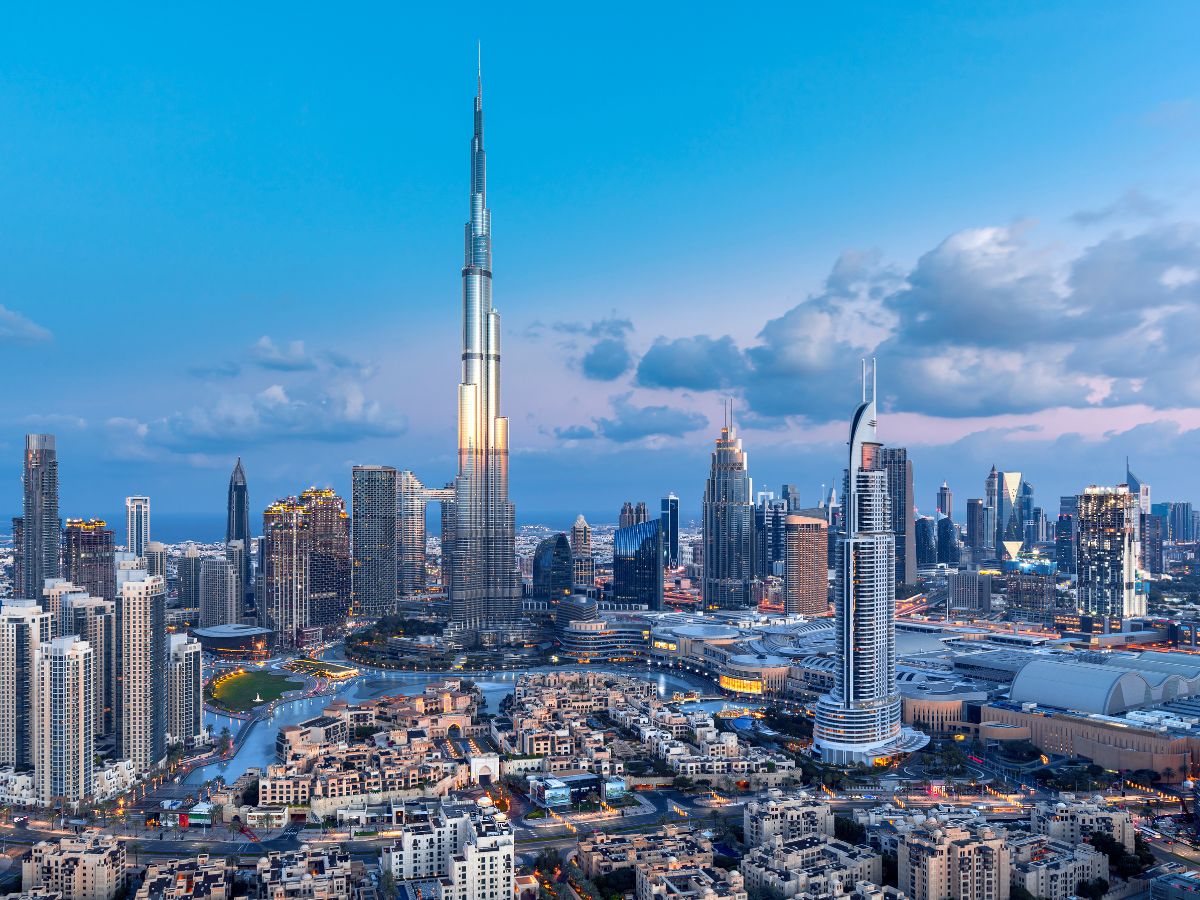
Dubai’s real estate market continues to demonstrate exceptional resilience and growth in 2024, despite global economic uncertainties. This robust performance is characterized by significant increases in transaction values, rental rates and demand across various sectors, solidifying Dubai’s position as a preeminent global real estate hub.
In the second quarter of 2024, the sector witnessed a remarkable 35.7% surge in transaction values, reaching $33.5 billion. This growth is part of a broader trend observed throughout the first half of the year, where transaction volumes rose by 12.2% compared to the same period in 2023. The market’s strength is largely attributed to increased investor confidence and a notable influx of first-time buyers, who accounted for nearly 90% of sales.
“The market’s strength is largely attributed to increased investor confidence and a notable influx of first-time buyers”
The residential property market has been a key driver of this growth. This surge reflects the broader market trend of high demand outpacing supply, consequently pushing prices and transaction values upward. The luxury segment has been particularly buoyant, with projects like the $272 million Marbella Resort on the World Islands selling out in just eight hours, and Ginco launching a $327 million luxury residential tower in Downtown Dubai.
Commercial real estate has also seen substantial growth, especially in the industrial and logistics sectors. Warehouse rents in Jebel Ali jumped by 38% in the first half of 2024.
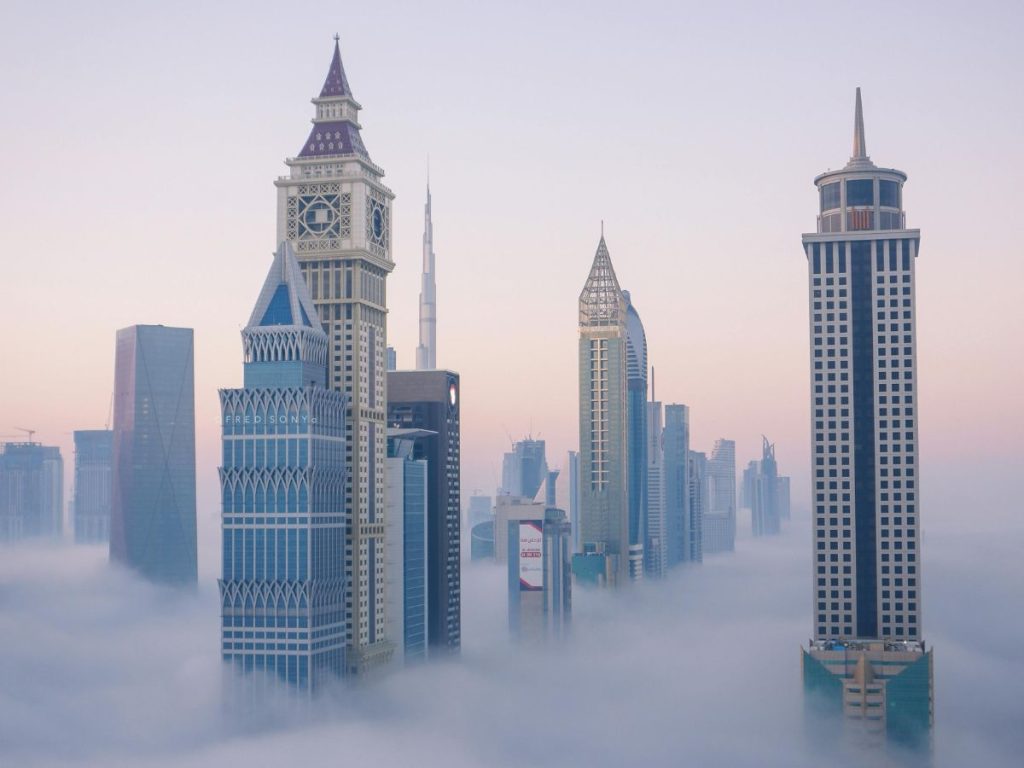
Meanwhile, the residential sector continues to evolve with significant developments such as the Burj Azizi skyscraper, a collaboration between Azizi Developments and IFG, and the launch of Ayana Gardens in Meydan Avenue. These projects, announced last week, underscore the ongoing expansion and diversification of Dubai’s real estate offerings, catering to a wide range of investor preferences and market demands.
Dubai South has emerged as a real estate hotspot, experiencing significant demand due to its strategic location and ongoing infrastructure developments. This area’s growth is indicative of the broader trend of urban expansion and development across the city, attracting both local and international investors.
“In the first half of the year, the emirate attracted 50,000 new investors to the real estate market”
The market has also benefited from an influx of wealthy investors, with many of Dubai’s 72,500 millionaires significantly investing in real estate. Incoming high-net-worth individuals are projected to invest $4.4 billion in Dubai property in 2024, representing a 76% increase from the previous year. This trend has added momentum to the market’s growth and highlighted Dubai’s appeal to high-net-worth individuals seeking prime property investments. In the first half of the year, the emirate attracted 50,000 new investors to the real estate market.
Regulatory measures have played a crucial role in shaping the market’s integrity. Issuing fines to 256 brokers for violating Dubai’s real estate advertising rules demonstrates the authorities’ commitment to maintaining transparency and trust in the sector. This regulatory oversight has contributed to the market’s stability and attractiveness to investors.
Beyond Dubai, other emirates have also shown strong performance. Ajman reported property transactions worth $2.45 billion in H1 2024, while Abu Dhabi’s property market saw an increase in foreign direct investment. Ras Al Khaimah’s Al Marjan Island, with its 12,000 residential units, reported being sold out, highlighting the regional demand for real estate beyond Dubai’s borders.
As Dubai’s real estate market continues to flourish, it faces both opportunities and challenges. The sustained growth in transaction values and volumes suggests a robust market with strong fundamentals.
Looking ahead, the Dubai real estate market appears poised for continued growth, driven by strategic developments, a robust economic framework, and its enduring appeal to both local and international investors. The market’s ability to adapt to changing global economic conditions and maintain its attractiveness will be crucial in sustaining this positive trajectory throughout 2024 and beyond.