Visitor spending in Gulf Cooperation Council (GCC) countries is projected to reach $223.7 billion by 2034, according to the latest data from the GCC Statistical Centre. The figure reflects continued recovery in the region’s tourism sector. It signals a rising contribution to export revenues, with incoming visitor spending expected to account for 13.4% of the bloc’s total exports.
In 2023, international visitors spent $135.5 billion across the six GCC member states—a 28.9% increase over 2019 levels. The rise underscores the region’s broader strategy to diversify national income sources and position itself as a global tourism hub.
The UAE and Saudi Arabia have led the growth of regional tourism infrastructure, backed by multibillion-dollar investments in entertainment, events, and transport connectivity. Saudi Arabia recorded 100 million visitors in 2023, meeting its Vision 2030 tourism target seven years ahead of schedule. The UAE continues to attract high visitor volumes through events such as COP28, Expo City Dubai activities, and its expanding visa programmes.
Qatar, which hosted the FIFA World Cup in late 2022, also maintained tourism momentum into 2023 through extended events, infrastructure utilisation, and hospitality sector promotions.
The GCC-Stat data further highlighted regional competitiveness in terms of safety and mobility. All six GCC countries ranked above the regional average in the 2024 MENA Safety and Security Index, with scores exceeding 5.86 on a 1–7 scale. Gulf passports also featured among the top six in the Arab region in terms of travel access.
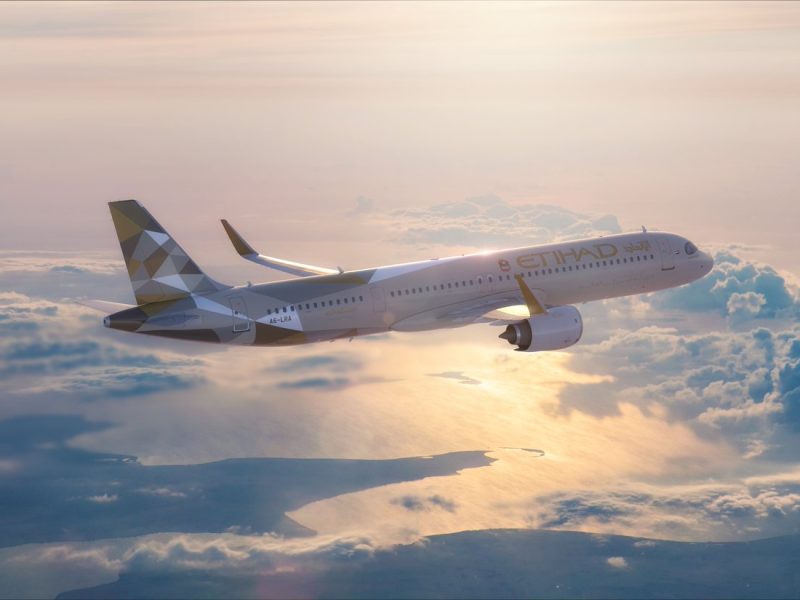
While domestic tourism remains a growing segment in Saudi Arabia and Oman, the international component is gaining traction through open skies agreements, digital visa platforms, and airline expansion. Etihad, Emirates, Qatar Airways, and Saudia have all added new routes to Europe, Asia, and Africa in recent months.
Tourism has become a central pillar of national development strategies across the GCC. In Saudi Arabia, the tourism sector is expected to contribute over 10% of GDP by 2030, while the UAE aims to attract 40 million hotel guests annually by 2031 under its Tourism Strategy 2031.
The GCC Statistical Centre has not yet released country-level projections for 2034, but all member states are scaling up tourism marketing, event calendars, and infrastructure investment to meet demand targets.