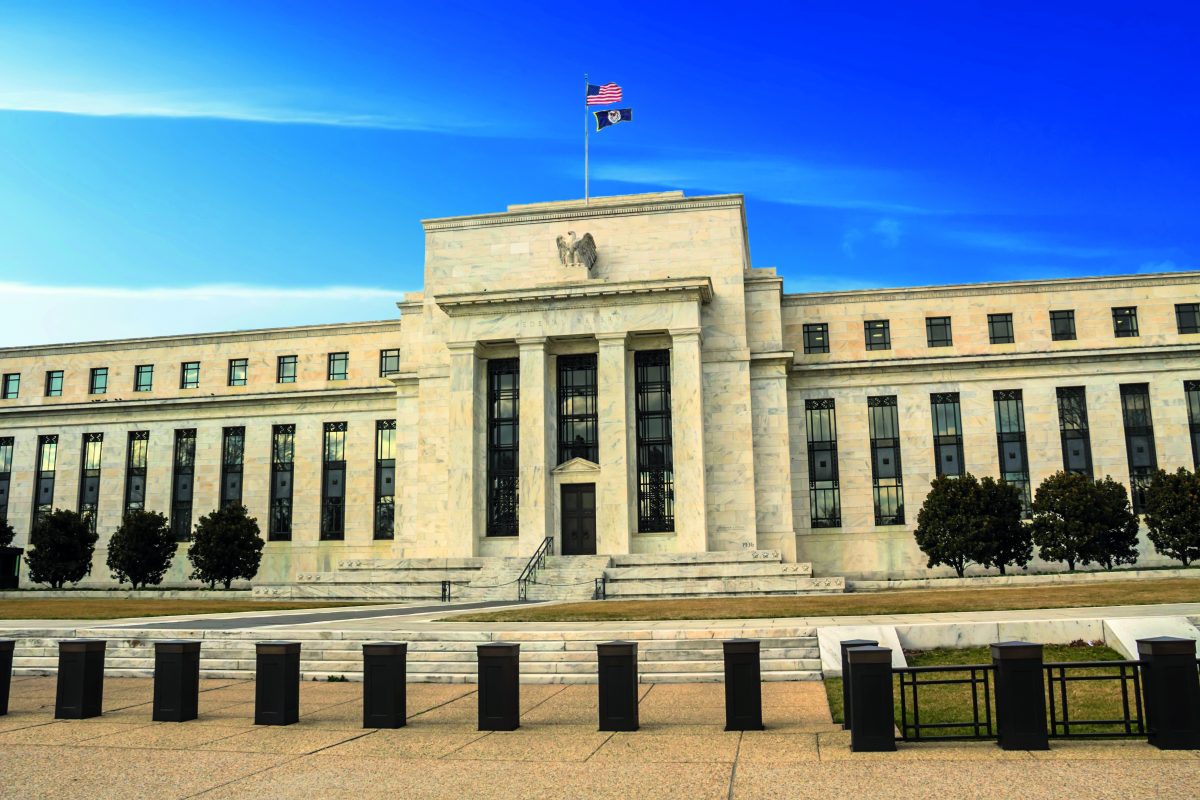
The ongoing dispute between the Trump administration and Federal Reserve Chair Jerome Powell has moved from political theatre to a consequential market concern.
For the GCC, this situation in Washington is not merely an external event; it directly influences regional monetary policy. The intimate link between the U.S. and GCC economies, highlighted by pegged currencies like the UAE Dirham and Saudi Riyal to the U.S. Dollar, means the Gulf mirrors U.S. interest rates.
Should political dynamics push the Federal Reserve into premature or excessive rate cuts, GCC economies will quickly feel the impact: offering both liquidity benefits and inflation hazards.
Implications of Dovish Policy
A “dovish” Fed could lead the GCC, led by the Central Bank of the UAE, to lower interest rates in tandem. Although such moves could generally support the region’s non-oil sectors, particularly in real estate where lower mortgage rates may bolster demand, it also poses risks.
For Dubai, lower borrowing costs could sustain market activity amid increasing supply, and cheaper capital inflow is vital for vast infrastructure projects and the forthcoming wave of initial public offerings. If the Fed reduces rates significantly, possibly below 3% by 2026, it would lessen financing costs for GCC governments and businesses striving to diversify their economies away from oil dependence.
Currency Depreciation
A potential weak spot is currency depreciation.
A Fed perceived as losing independence could weaken the dollar, a scenario that benefits GCC assets by making them cheaper for foreign investors but simultaneously imports inflation due to the region’s substantial import of consumer goods.
While UAE inflation has remained moderate, a prolonged dollar decline could increase import costs, squeezing profit margins for retailers and potentially raising living expenses, which would require fiscal intervention.
The historical context here is similar to Trump’s first presidency in 2016 when the dollar weakened. Should this trend persist, the GCC could face short-term dollar weakness.
Strong fiscal reserves can currently mitigate these risks, and while a U.S. economic slowdown may dampen crude demand, a concern Trump wishes to avoid, the GCC’s economic focus is increasingly pivoting towards Asia.
Moreover, historical correlations indicate that a weakened dollar supports oil prices nominally, potentially stabilising crude valuations even if physical demand drops.
Fiscal Benchmarks
Fiscal breakeven benchmarks for some GCC nations have increased. Should a U.S. downturn lead oil prices towards $60 per barrel, low-cost financing from any U.S. rate cuts becomes crucial for managing budget deficits and sustaining non-oil economic growth.
Attention in this environment should shift tactically. In equities, sectors benefitting from yield decreases like utilities, real estate, and high-dividend banks are appealing. GCC fixed-income assets may also gain favour as declining U.S. yields make regional sukuk and bonds with spreads over Treasuries attractive.
Despite Treasury Secretary Bessent hinting that the ongoing tensions could unsettle markets, U.S. equities have reached record levels, suggesting robust market sentiment.
For the Gulf, maintaining economic robustness in 2026 hinges on leveraging U.S. monetary policies to stimulate local growth whilst using fiscal strength to navigate instability from U.S. political developments.
Stay Up to Date with the Latest Updates at Finance ME!
Dubai Real Estate Reports 20% YoY Gain in 2025 Transactions
Bank Muscat Reports 13% YoY Gain in Net Profits
Qatar Financial Centre: H.E. Mansoor Rashid Al-Khater Appointed as New CEO