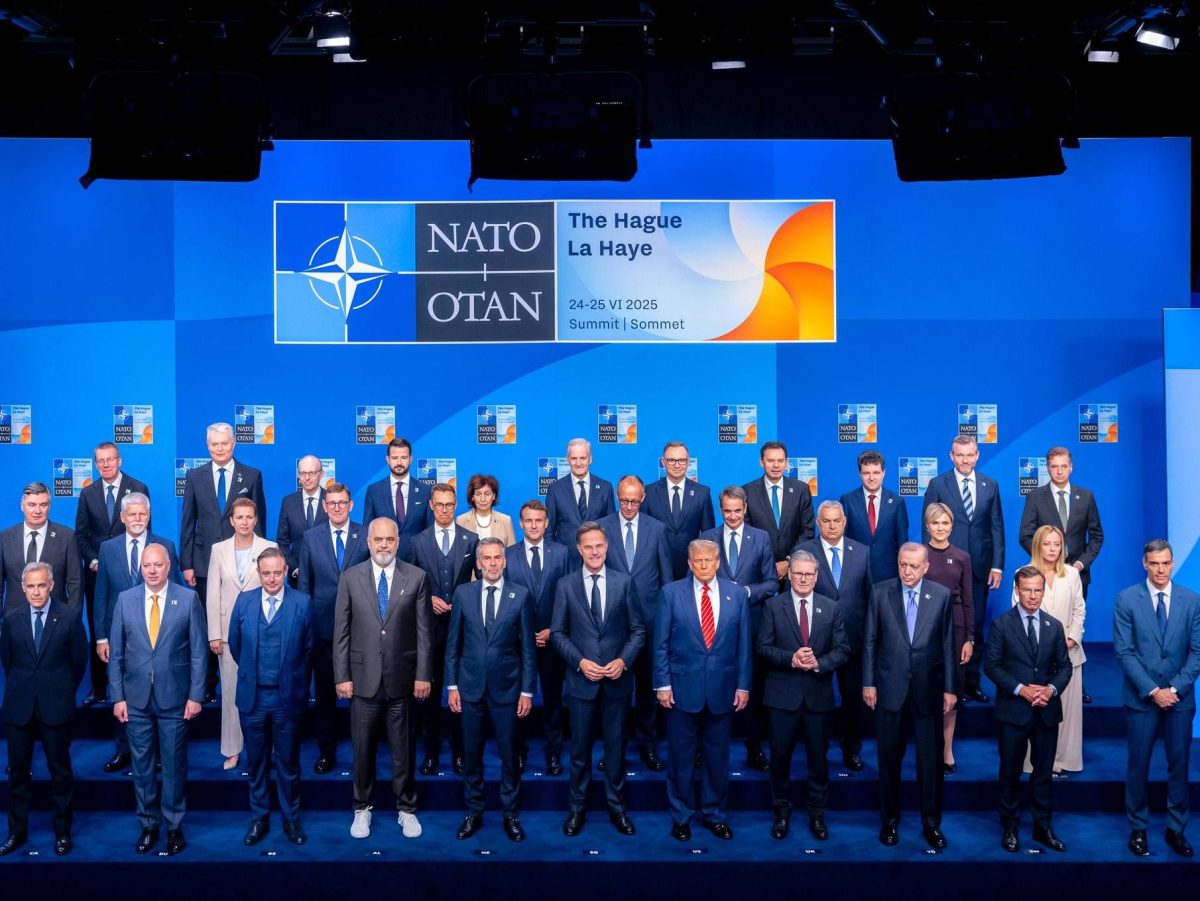
NATO members have agreed to raise their defence and security spending to 5% of GDP by 2035, according to a joint declaration issued Wednesday. The decision marks a significant shift from the alliance’s 2014 commitment, which set a 2% defence spending target.
According to CNBC, the new threshold includes a minimum of 3.5% allocated to core military capabilities, while the remaining 1.5% will go toward critical infrastructure, civil preparedness, innovation, and industrial resilience. Member states will be required to submit annual plans to demonstrate credible progress toward the target.
The decision follows continued concerns over Russia’s threat to Euro-Atlantic security and persistent terrorism risks. NATO said it remains “united in the face of profound security threats,” reaffirming its collective defence principle under Article 5.
The 5% target was introduced following pressure from the US, particularly during the terms of former President Donald Trump, who repeatedly urged European and Canadian allies to increase their defence contributions. Some member states, including Spain, initially pushed back on the new goal but eventually aligned with the broader consensus.
NATO Secretary General Mark Rutte called the agreement a “quantum leap” for the alliance and said it would enhance security, create jobs, and support long-term resilience. “This is Day One,” he said, noting that the alliance must act quickly and innovate to respond to current threats.
Glancing at recent global instability—including the war in Ukraine and tensions in the Middle East—leaders reaffirmed the need for more equal burden-sharing and faster military readiness. Rutte said the US remains “totally committed” to NATO, despite Trump’s recent ambiguous comments regarding Article 5 of the NATO treaty. “You know, Article 5 is absolutely clear,” Rutte added.
According to CNBC, Finland’s President Alexander Stubb described the atmosphere at the summit as “cool, calm and collected,” calling the decision historic and a return to NATO’s original purpose of collective defence.
Germany, which committed to the 5% threshold ahead of the summit, is now expected to take a more active leadership role in European security. German officials said internal opposition, such as Spain’s initial reluctance, was outweighed by the necessity of unity.