
The UAE Federal Tax Authority (FTA) has embarked on a significant digital transformation by integrating 100 new measures aimed at eliminating bureaucracy. This initiative aims to refine the EmaraTax platform, a digital tax service infrastructure designed to streamline transactions and regulatory compliance for taxpayers. These changes reflect an accumulation of feedback from taxpayers and stakeholders, sourced from insights and experiences gathered through 24 interactive events that involved around 560 participants.
At a recent Dubai retreat themed “Digital Services with Zero Bureaucracy,” organised by the FTA, authorities stressed the value of collaboration with the business community and taxpayers to identify and address procedural challenges. The retreat, inaugurated by Khalid Ali Al Bustani, the FTA’s Director-General, and attended by Mohamed Bin Taliah, Chief of Government Services for the UAE Government, was a platform to enhance service delivery and implementation speed within the tax framework.
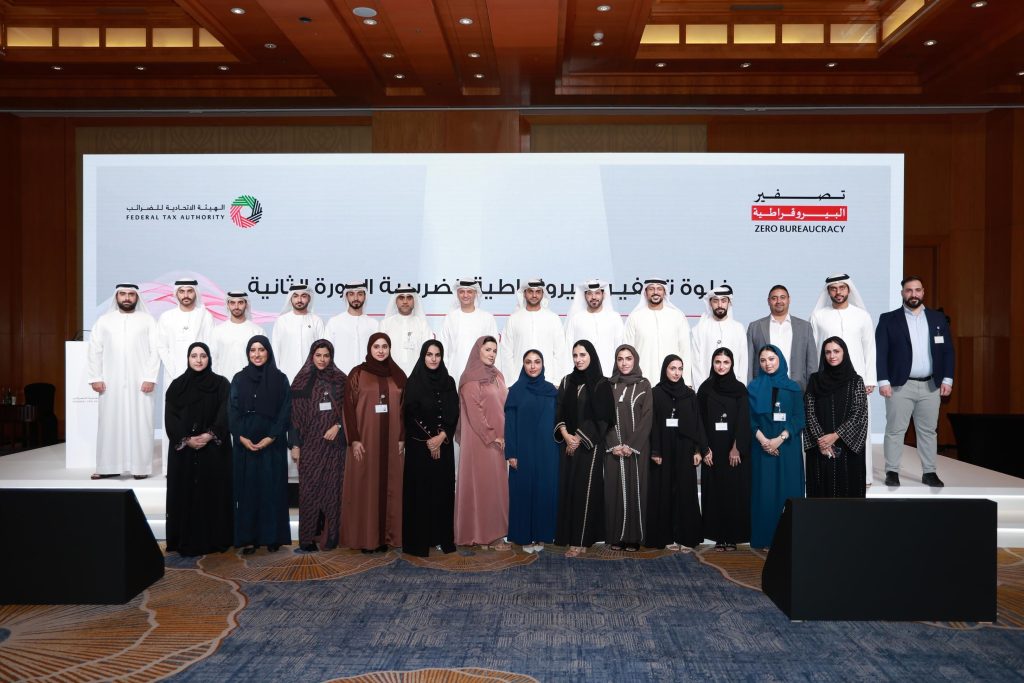
Mr. Al Bustani underscored the role of stakeholder engagement in the continual development of FTA services. He pointed to the government’s “Digital Zero Bureaucracy” approach as pivotal in enhancing the ease of doing business in the UAE. This strategy is aligned with the broader objectives of easing citizens’ lives and fostering an attractive business environment. Continuous stakeholder engagement, he argued, is vital for supporting this initiative, as it ensures diverse perspectives and suggestions are incorporated into policy.
The FTA has made strides in accelerating tax procedures under the digitalisation programme, emphasising private-sector partnerships. Initiatives under this programme are targeting the simplification and acceleration of processes, evidenced by the reduction of administrative steps and timeframes needed to complete services. The new measures showcase a commitment towards a more agile, efficient government service model, which requires ongoing and active input from all actors involved.
During the retreat, innovative technological solutions were highlighted as key to achieving these goals. The FTA reported a 53% reduction in required documents, and a 77% decrease in the time necessary to complete services. These metrics underscore the programme’s success in streamlining processes. Furthermore, the incorporation of advanced technologies has also resulted in substantial reductions in service costs and administrative burdens for taxpayers.
The initiative’s wider impact is evident from the UAE’s rankings, leading globally in both the ease of paying taxes and low bureaucracy indices. These changes have bolstered the UAE’s reputation as a frontrunner in tax administration. Enhanced service facilitation measures, reduction in paperwork, and the removal of unnecessary procedural hurdles have been instrumental in achieving these outcomes.
Abdulla Al Bastaki, CEO of the FTA’s IT Sector, acknowledged the taxpayers and FTA personnel who contributed innovative ideas to improve tax services. Their inputs have been fundamental in advancing the authority’s zero-bureaucracy goals. The FTA remains committed to maintaining avenues for continuous feedback, thereby ensuring its services meet evolving needs and support the thriving business climate.
While these developments have shown promising results within the UAE, there is no immediate indication that similar measures will be adopted in other regions of the Middle East. However, this initiative could potentially serve as a model for neighbouring countries looking to modernise their tax systems and reduce bureaucracy.