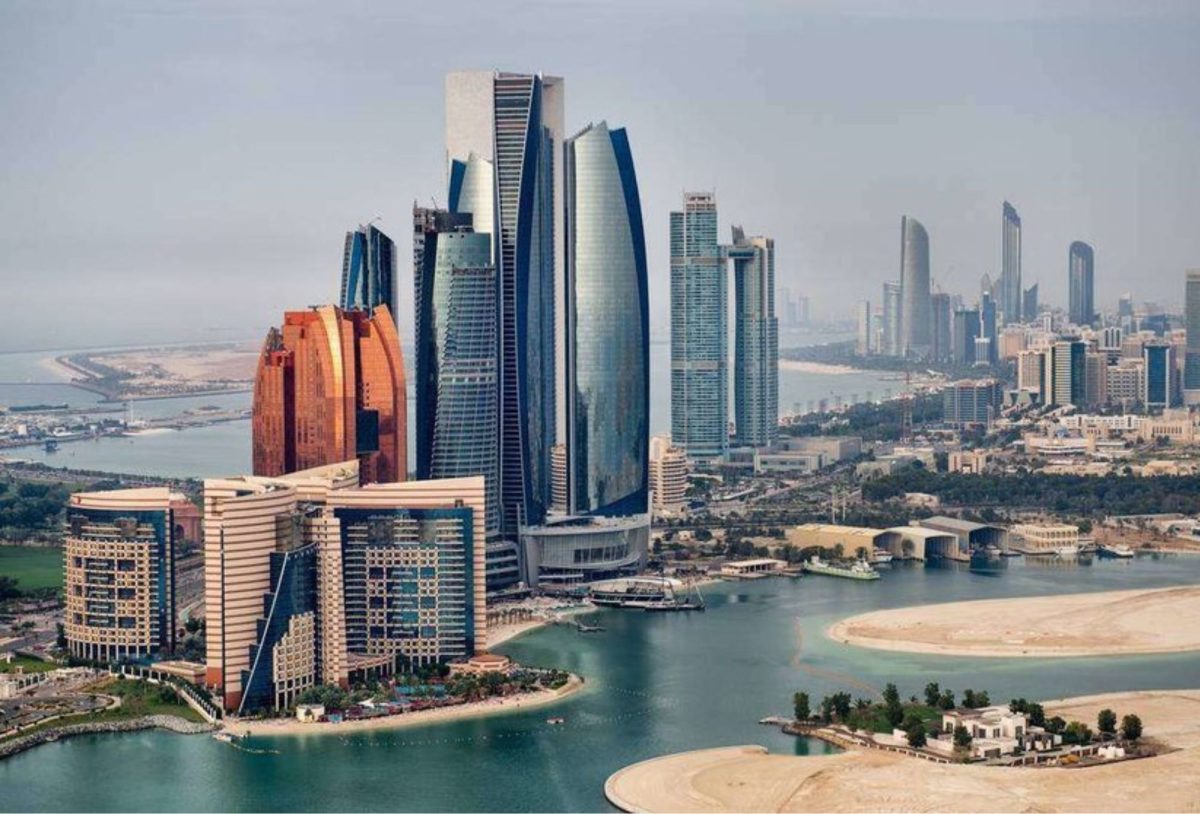
The perception that the UAE, along with the broader Middle East, would always be a readily-available one-way source of capital for the global market is dissolving quickly. It is now vital that international investors and global asset managers operating in the Emirates recognise the impetus of capital towards the local social and economic ecosystem. In an indication of how attractive the UAE is becoming to international financial services firms, ADGM issued 67% more licences in the first quarter of 2025 compared to the same period a year earlier. This signals that global players are increasingly looking to Abu Dhabi, not just as a regional base, but as a strategic nexus in the global financial system.
These trends, combined with the changing profile and investment needs of local investors, means the country is fast becoming an important part of the global financial ecosystem. Abu Dhabi is emerging as a dynamic, progressive and forward-thinking financial hub. A stable regulatory environment and significant economic reforms, combined with a surplus of capital ready for investment, means we are very optimistic about the market’s potential.
How are local development agendas shaping investment strategies?
The UAE is focused on building local infrastructure and implementing mega deals to ensure its nation-building agendas are successful. Its leaders are clear on their objectives for achieving a resilient and diversified economy, and are looking at all aspects of creating attractive working and living environments, further fuelling the influx of wealth and maintaining sustainable long-term economic growth.
For example, this is reflected in how it is attracting and retaining world class talent. In 2022, expats in the UAE would remain for an average of around four years because the region was not geared towards people living here for longer than that. Now, they stay for around six years, and that trend continues to increase as it becomes increasingly attractive for expats to come, stay and retire here. As a result, the retirement ecosystem is evolving, reflecting broader shifts in how the UAE is thinking about long-term living, talent retention, and financial resilience. There is a clear increase in the number of discussions with public and private sponsors about how to build private retirement systems from structural and investment perspectives – it’s a significant change.
Technological advances in AI and deep tech are also creating new investment opportunities in the Emirates. Since establishing a formal presence in Abu Dhabi and gaining an ADGM licence to operate in August 2024, we have already committed to two major investments in the UAE, with more to come. We are partnering with the Abu Dhabi Investment Office (ADIO) on a two-pronged strategy to help position Abu Dhabi as a global hub for innovation in real asset investing. First we are working on creating the RealAssetX Innovation Centre in Abu Dhabi, which will research, develop and invest in technology to drive advancements in real assets such as real estate, renewables and digital infrastructure.
Second, we are collaborating with ADIO on building an investment platform to derive research, incubation and monetization of all the opportunities coming out of the global RealAssetX initiative. This investment platform will be funded and co-managed by a local partner and will seek to launch a $250 million ADGM-domiciled global VC fund to work alongside PGIM’s RealAssetX globally. These activities will transform the real asset investment ecosystem and bring real technological improvements that can be incubated and eventually adopted by owners, operators and managers of real assets.
More broadly, we believe the UAE has the vision and willpower to define a new role for itself in the global economy – beyond hydrocarbons. This shift towards AI, renewables, capital markets, talent, and even advanced manufacturing, is serious — these are nation-building strategies. We are extremely positive about the investment potential here, while expecting that investors will continue to invest significantly in markets abroad.
Why do local investors continue to allocate internationally?
A good starting point is to understand how the region invests its wealth. At the risk of oversimplifying it, the primary objective of international investments of many UAE-based investors is wealth preservation over the long term. This is because local investors, be it sovereign or private, view wealth generation to mainly happen in the region – which provides developed-world type risks and emerging markets-type returns.
Therefore, as the local development focus strengthens, asset allocation strategies have adapted to seek greater diversification and stronger investment returns through a more institutional style of investing. We have been investing on behalf of clients in the Middle East for many years and have seen this trend deepen significantly. In the rapidly growing private investor sector, family offices are seeking more highly sophisticated investment opportunities than those available from standard fund offerings.
Investors continue to focus on achieving absolute returns as they navigate turbulent global markets. A recent PGIM study interviewing institutional investors in the Middle East found that these investors are likely to shift towards absolute return benchmarks, which will encourage larger allocations to private alternative assets due to stability in valuations compared to public markets.
In public fixed income, we are seeing growing interest in Emerging Markets Debt, as investors seek the attractive yields currently possible from emerging economies.
In private credit, while investors are becoming increasingly selective, their appetite remains robust. Private lending and structured finance markets offer them diversified debt and equity opportunities.
Real estate has recently seen a recovery and capital is coming back into the asset class. Local investors are increasingly interested in core real estate, real estate debt, and REIT strategies, with a pronounced increase in exposure to digital infrastructure assets, both globally and locally. There is also focus on European real estate opportunities, particularly in the living, logistics and hospitality areas of the market.
These trends will continue to underpin the development of local capital markets and supporting the UAE’s long-term ambition to serve as a regional and global hub that meets the evolving needs of the UAE’s investors.